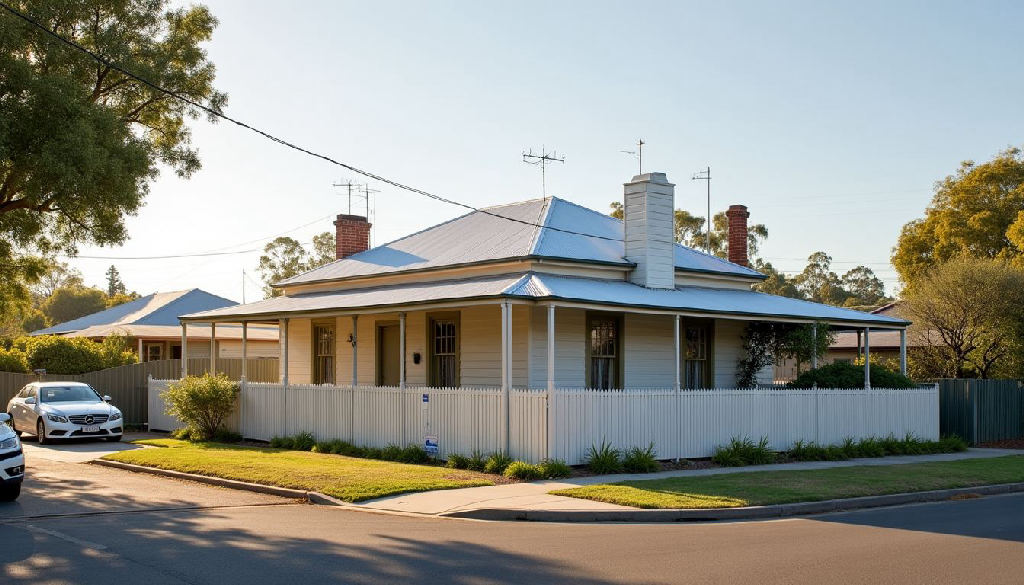
Retail workers, social workers and cleaners can now afford fewer than 1 per cent of rental listings nationwide, according to Anglicare Australia's annual Rental Affordability Snapshot, reported by ABC News on 5 November 2026. Nurses can access just 1.1 per cent of listings and teachers 3.3 per cent, a collapse Anglicare links to Cotality data showing unit rents have risen 44.3 per cent and house rents 36.6 per cent over five years — more than double the pace of wage growth in the same period. The report lands with the RBA cash rate sitting at 4.85 per cent, a setting that is reshaping both rental supply and investor appetite across the suburbs REAStats tracks daily.
Anglicare's Numbers Expose a Market Essential Workers Can't Enter
The Rental Affordability Snapshot surveyed 48,776 listings against the full-time minimum wage for 16 essential occupations, and the results are stark: of the 16 jobs assessed, only three recorded an improvement in affordability compared with 2025, while the remaining 13 either worsened or stagnated. For a hospitality worker in the Northern Territory, there are zero affordable rentals anywhere in the state. Anglicare Australia executive director Kasy Chambers put the shift bluntly, noting wages have not kept pace with rents and that "most of that increase has just been swallowed up by rents" for those renting privately.
For broader market context, see Bubblepedia's historical Australian property bubble analysis.
Case studies in the ABC report illustrate the mechanism at suburb level. A Brisbane social worker moving into an inner-north rental at $740 a week will hand over roughly half her income; a 64-year-old Albany, WA nurse paying $550 a week has cut holidays and dining out entirely. These are not outlier postcodes — they are the price points essential workers are being forced to accept as median rents climb faster than award wages, a dynamic Anglicare argues stems from decades of underinvestment in social housing stock.
Cotality Data and the RBA's 4.85% Rate Squeeze Investor Returns
The timing compounds the pressure. REAStats market data confirms the RBA cash rate: 4.85 as of early November 2026, alongside a national median dwelling price of $818,000 and a national auction clearance rate of 68.8 per cent — Sydney clearing at 70.8 per cent, Melbourne at 68.8 per cent and Brisbane at 67.2 per cent. Higher borrowing costs typically push investors to demand higher rents to protect yield, a feedback loop that sits uncomfortably alongside Anglicare's findings on worker affordability.
Cotality data cited in Anglicare's Rental Affordability Snapshot shows unit rents increased 44.3 per cent and house rents 36.6 per cent over the past five years — a gap Anglicare says essential-worker wages have grown at less than half that rate.
That gap matters for how the investment case is framed. Elevated holding costs at a 4.85 per cent cash rate mean landlords are less likely to absorb vacancy or discount rent, even as tenant capacity to pay keeps shrinking — a dynamic with direct implications for how investors should assess cycle timing in the current market.
Where Investors Are Still Buying: The Entry-Level Squeeze
REAStats suburb data shows the entry-level tier — precisely where essential workers would otherwise seek affordable rentals — is also where investor capital remains concentrated. Mandurah median price is $550,000, with 10.5 per cent annual growth, a 24-day sales cycle and a 56 per cent auction clearance rate, making it one of the strongest capital-growth entry points nationally. Dandenong sits at a $680,000 median with just 2.3 per cent annual growth, a 40-day sales cycle and 56 per cent clearance — a slower-moving but still investor-relevant affordability tier. Liverpool ($850,000 median, 3.5 per cent growth, 38 days on market, 60.5 per cent clearance) and Penrith ($880,000 median, 3.8 per cent growth, 35 days, 62 per cent clearance) round out a cluster of NSW suburbs where investor purchasing competes directly with the rental stock essential workers depend on.
This is the structural tension sitting underneath the Anglicare numbers: the same suburbs delivering reasonable yield and growth for investors are the suburbs where supply needs to stay in the rental pool, not convert to owner-occupied stock or get absorbed by investors chasing capital gains in a 4.85 per cent rate environment. When vendors in these suburbs do decide to sell, campaign structure affects both price and speed — a dynamic covered in detail in Sole Agency vs Open Listing — Which Gets a Better Price?, which is relevant to landlords weighing whether to exit the rental market altogether.
Regional WA Shows the Extremes: Karratha's $1,700 Rent vs Albany's $550
The state-level divide in the Anglicare report is as sharp as the occupational one. Western Australia alone spans a $550-a-week rental in Albany, where a nurse of more than 40 years has cut non-essential spending to keep paying rent, to an average weekly rent of around $1,700 in the Pilbara mining town of Karratha, where even an Anglicare staff member spent eight weeks and three rejected applications before securing housing. The Northern Territory sits at the other extreme nationally, with zero affordable rentals available anywhere in the state for hospitality workers and only 338 listings remaining affordable for other essential occupations once resource-sector demand is factored in.
These are not isolated data points — they describe a national rental market where regional resource-driven demand (Karratha) and capital-city investor concentration (Mandurah, Liverpool, Penrith) are both squeezing the same cohort of workers from different directions, even as national auction clearance sits at a comparatively healthy 68.8 per cent for sellers.
What the Data Signals Near Term
For agents, the Anglicare findings sharpen the case for transparent rental-market advice to investor clients weighing new purchases against existing negative-gearing settings. For vendors holding rental stock in entry-level suburbs like Mandurah or Dandenong, the decision to sell into a 68.8 per cent national clearance market now carries a social-housing-supply dimension that regulators and advocacy groups like Anglicare are actively tracking. For buyers and tenants, the message from both Cotality's rent data and the RBA's 4.85 per cent cash rate is the same: affordability relief is unlikely to arrive from the private market alone in the near term, and essential-worker housing access will remain a live policy and investment issue through the rest of this cycle.

