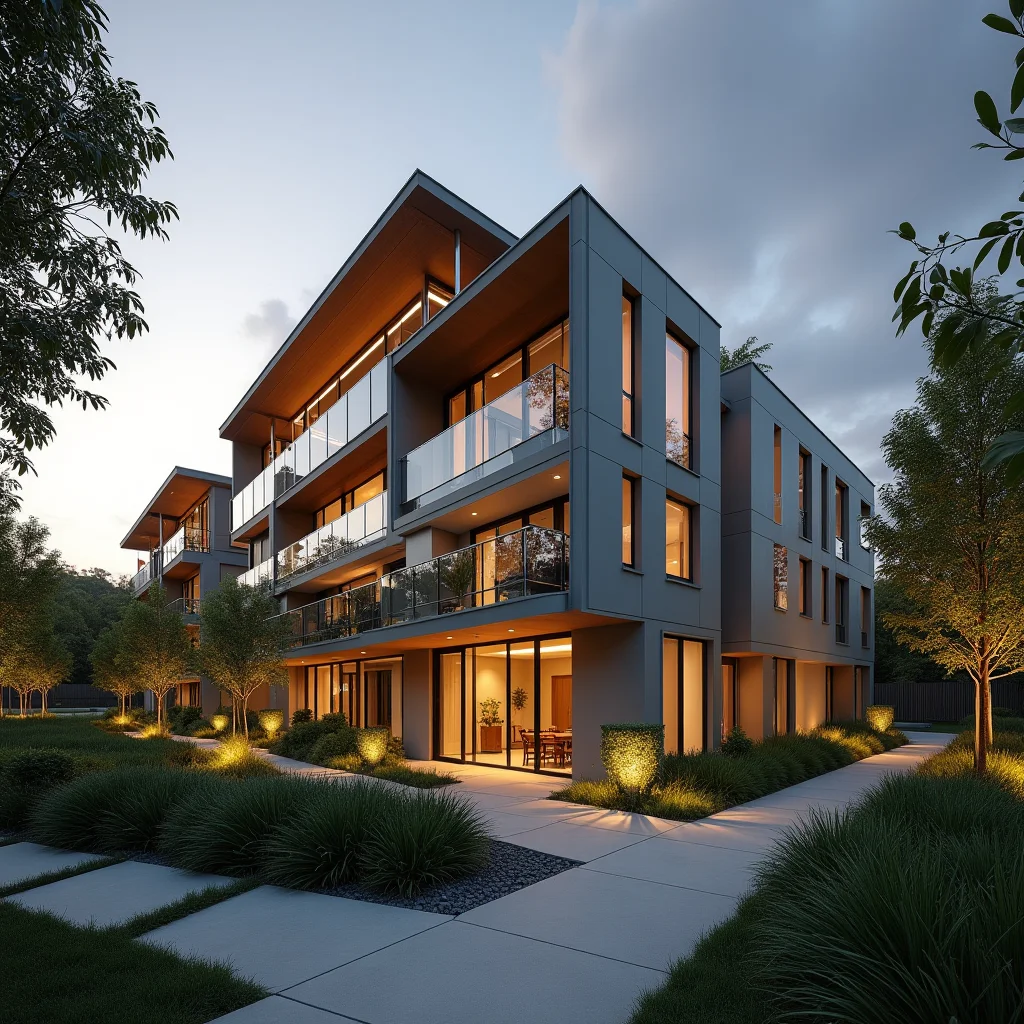
Fannie Bay's Tier 3 Entry Point at $680,000 Median
Fannie Bay recorded a $680,000 median price with 1.5% annual growth, positioning the Northern Territory suburb as a tier 3 affordability gateway for first-home buyers and investor cohorts priced out of capital city markets. At the RBA's 4.35% cash rate, the median property represents a monthly mortgage repayment of approximately $3,650 on a standard 80% LVR loan—significantly below the $6,018 national average for mortgaged properties, according to REIA data cited in recent market commentary.
Properties in Fannie Bay sold within 38 days on average, a metric that sits between regional underperformers like Port Macquarie (48 days) and capital city benchmarks. With a 55% auction clearance rate and 5% gross rental yield, Fannie Bay demonstrates the income-return advantage that tier 3 suburbs hold over prestige markets. Comparative tier 3 affordability data from the market context shows Dandenong, Victoria, at $680,000 with 2.3% growth and Mandurah, Western Australia, at $550,000 with 10.5% growth—indicating that Northern Territory suburbs occupy a distinct affordability band relative to southern state equivalents.
For broader market context, see Australian Property Forum property market data.
How Auction Weakness Creates Opportunity in Lower-Priced Markets
According to Property Update on 21 September 2026, sellers across Melbourne and Sydney are ditching auctions in favour of private treaty as buyer demand weakens and supply increases. The shift has immediate implications for tier 3 suburbs: as agents migrate listings away from auctions, the negotiation window widens for affordability-focused buyers.
Fannie Bay's 55% auction clearance rate reflects softer conditions, yet this creates transparency for first-home buyers who can now negotiate on price without the FOMO-driven bidding wars that characterised strong markets. Investors seeking rental yield can negotiate more favourable entry points; a $680,000 purchase generating $34,000 annually in gross rent (5% yield) offers better income security than capital appreciation in slower-growth markets. The private treaty trend accelerates this dynamic: with fewer forced sellers competing on auction day, individual negotiations favour buyers with time and patience.
Rental Yield as the Primary Driver in Tier 3 Affordability
Fannie Bay's 5% gross rental yield positions it among the highest-return suburbs in the provided market dataset. For comparison, prestige suburbs like Toorak ($2.8m median, 4.5% growth) and Prahran ($1.55m, 3.9% growth) deliver substantially lower gross yields—typically 2.5–3.5% depending on actual rental data. A $680,000 Fannie Bay property yielding 5% generates $34,000 annual gross rent; the same capital deployed in a $2.8m Toorak property at 2.8% yield generates $78,400, requiring 4.1x the capital outlay.
For investors facing the trade-offs inherent in fixed versus variable rate mortgages across a full rate cycle, tier 3 suburbs offer faster cash-on-cash returns. At 4.35% rates, a $680,000 investment with 80% LVR and $34,000 annual rent minus ~$28,840 in interest and holding costs leaves modest positive cash flow—far superior to capital city markets where negative gearing dominates. The 5% yield acts as a buffer against rate cycles and vacancy risk.
Days on Market and Sales Velocity: Fannie Bay vs Tier 1 Competition
Fannie Bay's 38-day average sits squarely in the tier 3 band. South Perth (WA) cleared in 17 days at $1.45m and 13.8% growth; Nedlands (WA) at 15 days and 15% growth; Toorak (VIC) at 23 days and 4.5% growth. In contrast, Port Macquarie (NSW) lingers at 48 days on market, while Ballina (NSW) reaches 45 days. Fannie Bay's 38-day cycle reflects neither strong demand nor severe stagnation—it signals a balanced, predictable sell-through rate suitable for investors planning exit timings.
The 38-day metric also matters for first-home buyers: properties clear the market at a pace that allows due diligence without panic. Cooling-off periods, building inspections, and finance approval timelines align naturally with Northern Territory's market rhythm. In faster markets like Surry Hills (23 days) or West End, Brisbane (22 days), buyers face pressure to commit within days of listing—a disadvantage for entry-level purchasers juggling multiple inspections and finance conditions.
Tier 3 affordability suburbs like Fannie Bay, priced between $550,000 and $680,000, deliver 4.8–5.6% gross rental yields—a 100-200 basis point advantage over capital city prestige markets—while requiring 60–75% less capital per property, making them primary vehicles for yield-focused investors in a 4.35% rate environment.
First-Home Buyer and Investor Entry Strategy
Fannie Bay's positioning as a tier 3 affordability suburb creates two distinct entry vectors. First-home buyers benefit from lower LMI costs; a $544,000 purchase (80% of $680,000) with 10% deposit incurs substantially lower mortgage insurance premiums than $1.1m+ capital city properties. Second, investor cohorts seeking portfolio diversification can deploy capital across multiple Fannie Bay properties rather than concentrating risk in a single $2.8m prestige asset.
The RBA's 4.35% cash rate compounds these advantages: at this level, interest-only holding costs on a $544,000 loan amount to ~$23,672 annually. Combined with Fannie Bay's $34,000 gross rental return, investors achieve breakeven on financing before accounting for depreciation, capital works deductions, or negative gearing tax offsets. The tier 3 affordability window—before rates cycle higher or rental market tightens—represents a narrow entry opportunity for investors requiring cash-flow positive or neutral properties.
As prestige market activity concentrates in fewer high-performer suburbs, tier 3 markets like Fannie Bay absorb investment capital seeking yield, accessibility, and manageable hold periods. The 1.5% annual growth, while modest, stabilises capital as income flows compensate for slow appreciation.
What Tier 3 Affordability Signals for Market Direction
Fannie Bay's stability at $680,000 and 1.5% growth reflects a broader tier 3 dynamic: affordability suburbs anchor to rental yield and investor cash flow rather than capital gains. As national auction clearance rates soften and seller demand gravitates toward private treaty, tier 3 suburbs benefit from reduced competition and buyer flexibility. The 55% clearance rate—below the 60%+ benchmarks of prestige markets—signals negotiation room rather than distress; agents and investors expect realistic pricing.
For agents in Fannie Bay and comparable tier 3 markets, the shift away from auctions presents a strategic advantage: private treaty campaigns favour sustained vendor engagement, reduce passed-in stress, and allow marketing to yield-focused investor cohorts rather than FOMO-driven owner-occupiers. The 38-day cycle supports this; agents retain listings long enough to find genuine investor matches rather than forcing auction deadlines. First-home buyers navigating 4.35% rates benefit from the same dynamic—they can negotiate rather than compete at auction.
Tier 3 affordability suburbs will increasingly differentiate themselves on rental yield, days-on-market consistency, and negotiation culture as capital city auctions weaken and investor capital seeks higher returns. Fannie Bay, at $680,000 with 5% yield and 38-day velocity, exemplifies this repositioning.