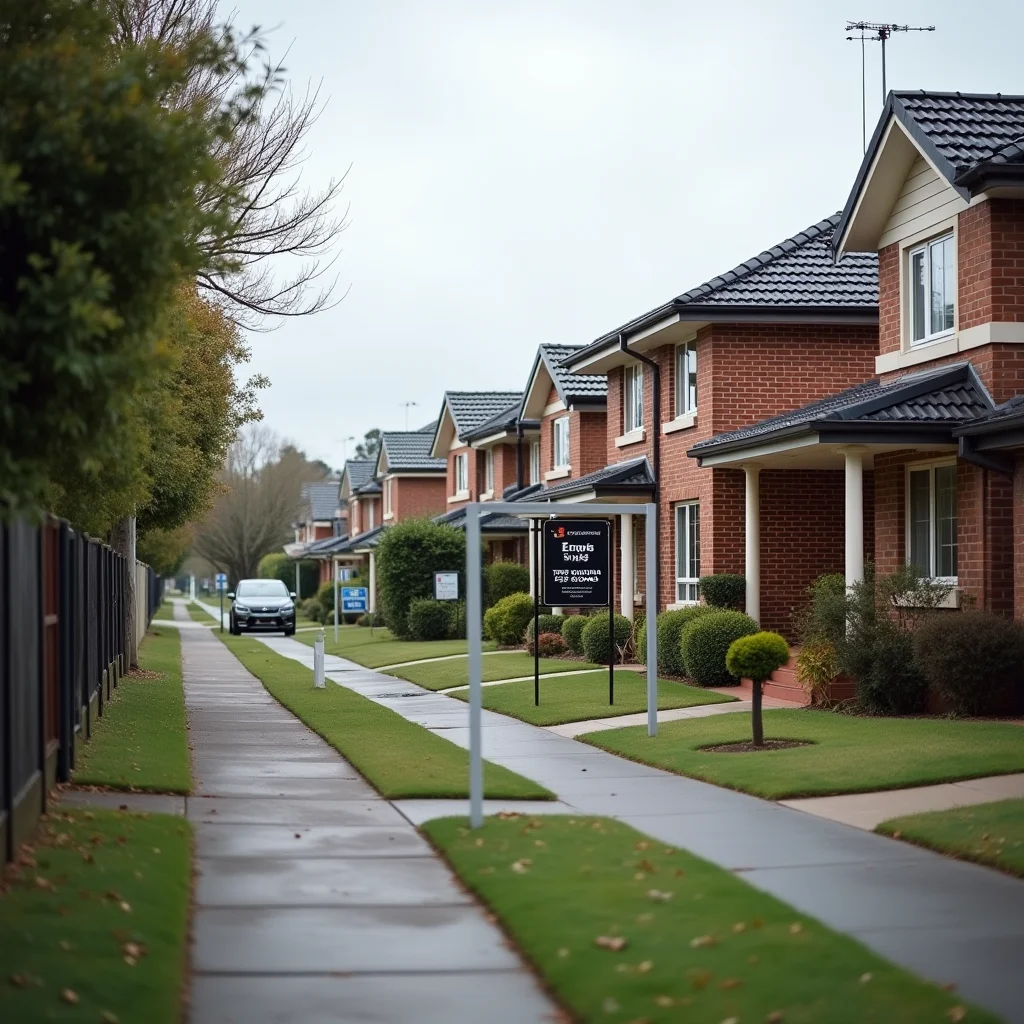
The timing matters. Spring listings typically peak between September and November as vendors chase buyer volume before the holiday slowdown, but this year's selling season is unfolding against a 4.60% cash rate — a level not revisited since 2011 — and a central bank unwilling to confirm the tightening cycle has ended.
Spring Selling Season Meets a Reluctant RBA
Spring has historically rewarded vendors with faster sales and stronger competition as buyer activity concentrates in a six-to-eight week window. This year, that seasonal tailwind is colliding with rate uncertainty. REA Group's reporting on the RBA's commentary notes the central bank has flagged concerns about unravelling public trust in its rate guidance, a signal that further tightening before Christmas remains plausible rather than remote.
For agents running spring campaigns, that uncertainty changes buyer behaviour mid-cycle. Finance pre-approvals written in August under one rate assumption are being revisited in October under another, and vendors who set price expectations before the RBA's latest commentary are finding those expectations tested at auction. The suburbs showing the strongest growth over the past 15 years are concentrated in regional and middle-ring markets across NSW, Queensland and WA — not the established eastern seaboard premium tier — reflecting the outsized gains in more affordable areas since 2011.
WA and Queensland Lead 15-Year Growth
The data context underlines a clear pattern across the states. In WA, Perth suburbs accounted for seven of the top ten for 15-year growth nationally, led by Medina's 200% increase, followed by Trigg (+198%), Brookdale (+180%) and Parmelia (+175%). Queensland's Gold Coast and Sunshine Coast suburbs performed just as strongly, with Palm Beach up 329%, Mermaid Waters up 316% and Buddina up 311% since 2011. Victorian suburbs trailed well behind — Melbourne was described in REA Group's reporting as the nation's slowest-growing capital over the past five years, with only the Mornington Peninsula's Balnarring (+275%) cracking the national top ten for 15-year growth.
That gap is consistent with the suburbs REA Group highlights as having grown most since rates were last at current levels, where WA and regional Queensland markets dominate the list alongside regional NSW hotspots such as Pokolbin and Byron Bay.
"There has been an increase demand for regional living ... There are also the younger Australians who feel like they've been priced out of capital cities moving regionally, and on top of all of that, changing work practices." — Anne Flaherty, realestate.com.au senior economist
Interest Rate Uncertainty Clouds Spring Campaigns
Beyond the price-growth data, REA Group's reporting on the RBA's commentary highlights a central bank grappling with persistent inflation. Underlying inflation — the trimmed mean — held at 3.6% for a fourth straight month in the 12 months to August, according to ABS data, while deputy governor Andrew Hauser warned the bank is "facing hard choices" over whether to prioritise further tightening or protect the labour market.
This uncertainty matters for how agents calibrate spring campaigns. Vendors who set price expectations before the RBA's latest commentary may find those expectations tested, while the possibility of further tightening before Christmas adds pressure to compress selling timeframes. Markets with greater affordability headroom, such as WA's outperforming Perth suburbs, appear better placed to absorb further rate pressure than those already stretched.
What's Driving the WA Outperformance
The growth gap between WA and the softer eastern markets connects to broader interest rate dynamics covered in macro and interest rate market analysis, where tighter monetary policy has compressed borrowing capacity unevenly across states with different starting price bases. Perth prices are now 6.7% higher than 12 months ago, according to REA Group, with suburbs like Medina, Trigg, Brookdale and Parmelia leading 15-year gains as affordability headroom allowed more room for growth even as the RBA cash rate sits at 4.60%.
Background on how the industry itself measures and reports these figures is covered in Real Estate Agent Industry Statistics — How the Sector Works, which outlines how Australia's active licensees operate under state-based reporting frameworks that feed into clearance rate and median price data like that cited by REA Group.
What This Means for Spring Campaigns
Agents listing into the remainder of spring face a narrower window than usual to capture buyer activity before rate uncertainty potentially deepens. Vendors in strong-growth WA markets such as Medina, Trigg and Brookdale appear better positioned to hold firmer reserve strategies, while vendors in markets already stretched on affordability face a tougher calculation — waiting for a rate hold signal from the RBA risks missing the seasonal demand window entirely, while cutting reserves now locks in a lower result but a faster sale. Buyers, particularly in WA's outperforming markets, have limited room to negotiate on price but more room to act decisively before the RBA's next decision on 2–3 November resets the conversation again.