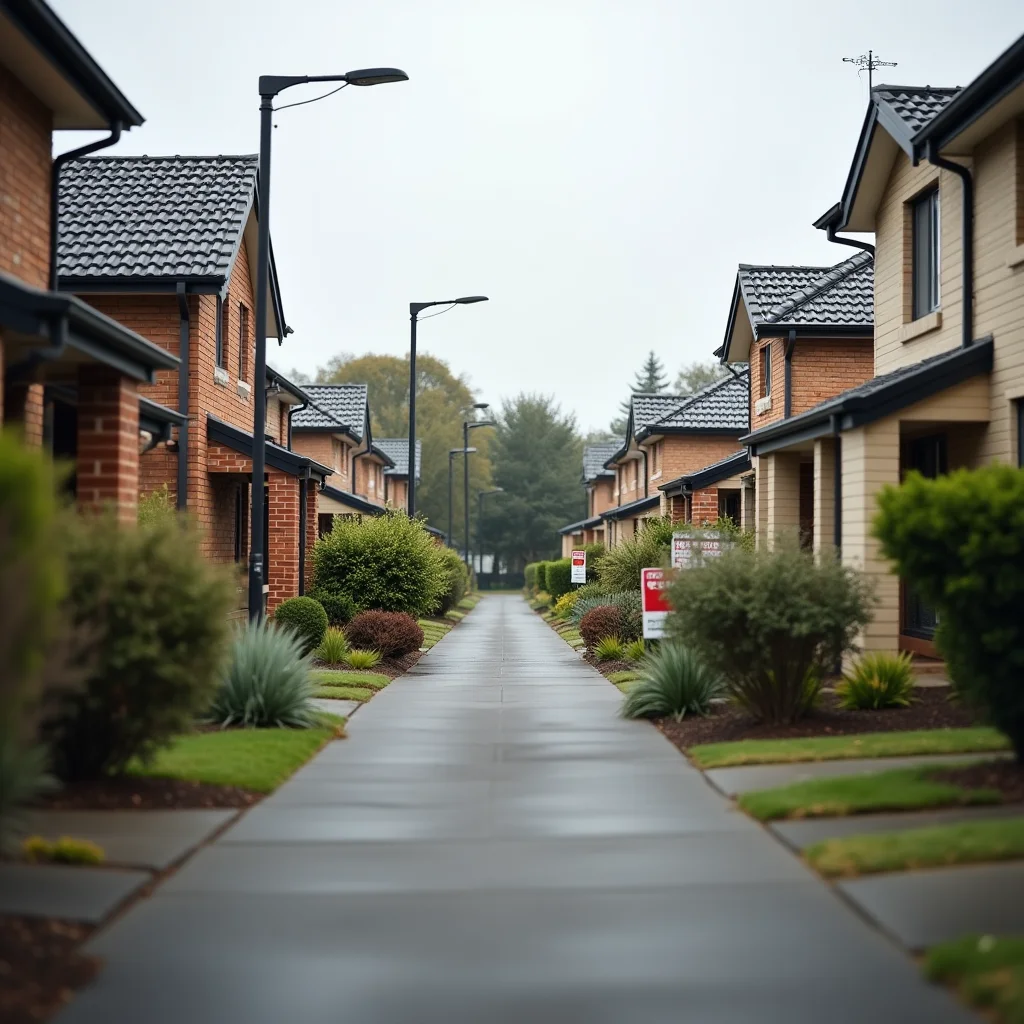
Victoria has signed a deal with the federal government that will lead to the construction of more than 66,000 homes across the state, with 25,600 of those homes reserved exclusively for first-home buyers, according to REA Group reporting on 22 October 2026. Federal housing minister Clare O'Neil said the agreement was designed to put "first home buyers on a level playing field," while Victorian premier Ben Carroll said it would help more young families achieve home ownership. The announcement lands at a moment when housing affordability remains a dominant national concern, with the RBA cash rate sitting at 4.35% and mortgage repayments nationally at a record share of family income.
The Victoria Supply Deal and What It Targets
The 66,000-home commitment is part of the Albanese government's broader pledge to deliver 100,000 new homes for first-home buyers across Australia, following similar agreements already signed with South Australia, the Australian Capital Territory, Tasmania, Western Australia and Queensland. In Victoria, the 25,600 homes reserved for first-home buyers will be spread across 20 locations including Melbourne, Geelong, Ballarat and Bendigo, with the first homes expected to be delivered in 2027. The federal government will contribute $2.5 billion — $2 billion in concessional loans and $499 million in grants — with the Victorian government contributing at least $499 million, funding that is earmarked for infrastructure such as roads, water, sewerage and electricity connections that have historically held up new housing projects.
For broader market context, see WealthWatchPro macro and interest rate analysis.
Industry groups have broadly welcomed the deal. UDIA national president Oscar Stanley described it as "a very welcome supply initiative to combat housing constraints driven by market upheaval from interest rates, property tax changes and existing supply shocks," while HIA chief executive Simon Croft said the agreement recognised that "the fastest and most effective way to help first home buyers is to unlock more housing supply."
Where the Pressure Is Concentrated
National clearance-rate data offers a broader read on how buyer demand is distributed across the market. Sydney's clearance rate currently sits at 68.2%, ahead of Melbourne at 63.5% and the national rate of 62.8%, according to Australian Property Forum market data. Those figures suggest Sydney's market is absorbing stock somewhat faster than Melbourne's at present, even as both cities remain under pressure from the RBA's 4.35% cash rate. Suburb-by-suburb breakdowns of clearance rates, days on market and median prices were not available in the reporting behind this story, so no specific clearance rates, sales cycles or medians are attributed here to individual Melbourne, Sydney, WA or Queensland suburbs.
What the Cash Rate Means for Buyer Capacity
The 4.35% cash rate is already showing up in borrower stress indicators. Australian mortgage repayments have climbed to a record 50.9% of family income, according to REA Group data reported by REAStats, while investor loan activity has fallen by as much as 44% in some markets as landlords exit under current interest rate conditions. That combination — record repayment burdens for owner-occupiers and a retreating investor base — is the backdrop against which Victoria's new supply pledge will be tested. If new stock lands in price bands where buyer conviction is already constrained by borrowing costs, supply alone will not resolve what is, in large part, a demand-side financing constraint.
A separate proposed NSW rent cap bill has been estimated to have saved Sydney tenants close to $7,500, according to Australian Property Forum, a reminder that affordability pressure is being debated on both the ownership and rental sides of the market at once.
Background: How These Figures Fit the Broader Market
These national clearance-rate and cash-rate figures sit inside a wider data set covered in the Australian Property Market Statistics 2025 — The Complete Data Guide, which tracks city medians, clearance rates and price-to-income ratios across the cycle. Tight rental vacancy conditions in several capital cities also reinforce the supply argument behind Victoria's deal — a dynamic explored further in the guide on rental vacancy rates.
Ray White's separate commitment to raise $50,000 for homelessness charities this year, reported by Australian Property Forum, lands against this same backdrop of mortgage stress and a shrinking investor-landlord pool — a reminder that affordability pressure is being felt on both the ownership and rental sides of the market simultaneously.
What This Signals for the Months Ahead
Victoria's 66,000-home deal — and the 25,600 homes reserved specifically for first-home buyers — is a multi-year supply response rather than an immediate fix. With the cash rate at 4.35% and mortgage repayments already consuming a record share of family income, the success of the policy will depend as much on borrowing capacity at settlement as on how quickly the promised homes are built.