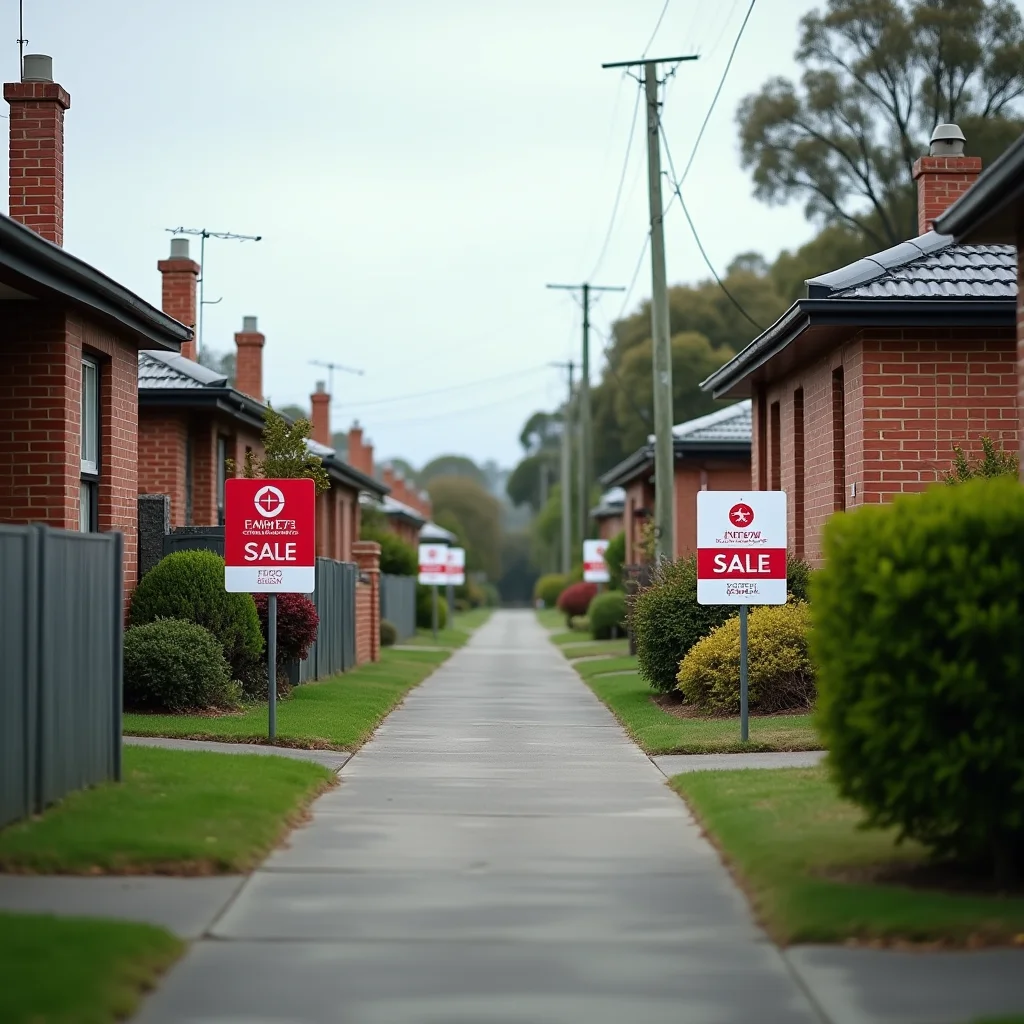
According to SMH Property, new Victorian laws intended to sharpen property market transparency — requiring agents to disclose sale prices within seven days and make them publicly available for at least 18 months — have left buyers, sellers and even agents unclear on where verified sale-price data can actually be found. That ambiguity matters for any market where vendors and agents rely on public data to justify pricing strategy or campaign length.
The Transparency Gap Behind Victoria's New Disclosure Rules
SMH Property's reporting on the new rules highlights a structural problem: legislation aimed at improving consumer access to property information has not been matched by clarity on where that information will actually live. Real estate figures quoted in the report, including Marshall White Group's John Bongiorno, say they still don't know where to publish required sale-price data, particularly for off-market transactions. The Real Estate Institute of Victoria's Toby Balazs noted the law requires prices be "freely and publicly available" without specifying a platform.
This uncertainty is compounded by confusion over whether the rules even apply to off-market sales — buyer's agent David Morrell told SMH he believed the disclosure laws don't apply off-market, while a state government spokesperson clarified they do apply to all residential sales involving an agent. With an estimated 90% of sales above $5 million already occurring off-market, according to Morrell, the practical reach of the new transparency rules remains genuinely unclear.
Why Suburb-Level Clearance Data Still Matters
Vendors and agents in fast-moving or high-demand suburbs often want to point to recent sales data to justify pricing strategy, but the SMH reporting makes clear that even with new disclosure laws, the practical mechanics of where and how that data becomes available remain unresolved. Specific suburb-by-suburb auction clearance rates, median prices and days-on-market figures for markets such as Randwick, Surry Hills, Kirribilli, Toorak, Nedlands, South Perth or Port Macquarie are not addressed in the available reporting, and no comparative national clearance-rate dataset was confirmed in the source material reviewed for this piece.
What is clear from the SMH reporting is that underquoting penalties in Victoria now exceed $48,842 alongside forfeiture of commission, and that from October 16, auction reserve prices must be made public a week in advance — both concrete regulatory changes rather than suburb performance statistics.
Off-Market Sales and the Limits of Public Data
Shadow consumer affairs spokeswoman Jade Benham argued the changes could push more sales "behind closed doors," reducing the transparency that public auctions currently provide, while government minister Tim Richardson defended the reforms as necessary because underquoting "isn't fair" to young Victorians and families.
Background: Where Sub-$400,000 Property Still Exists
REA Group separately reported that sub-$400,000 investment stock still exists for buyers willing to search further afield, with investor Nathan Birch citing examples in regional Victoria, North Queensland and the Hunter Valley where properties purchased in the $200,000–$350,000 range were later revalued significantly higher. This is a distinct story about investment-grade property values rather than auction clearance rates or agent sales volume, and it does not provide suburb-level clearance or days-on-market data.
Background: How Agent Commission Structures Interact With Sale Price Disclosure
Commission structures are typically negotiated as a percentage of final sale price, as detailed in How Real Estate Agent Commissions Work. Under Victoria's new laws, agents who fail to comply with underquoting rules risk penalties above $48,842 and forfeiture of their commission entirely, raising the stakes for accurate price guidance regardless of how fast or slow a given market is moving.
Vendors assessing an agent's track record should look beyond a single median price figure and examine verified sale outcomes over time, a method outlined in How to Measure Real Estate Agent Performance. This is particularly relevant given the ambiguity SMH Property flagged around where consumers can actually verify sale-price figures under Victoria's new disclosure regime. For context on how Australian agent transparency practices compare internationally, see this international property market comparison.
Victoria's new sale-price disclosure laws require agents to publish results within seven days and keep them public for 18 months — but as of the law's commencement, agents, opposition politicians and even the Real Estate Institute of Victoria say it remains unclear exactly where that information must appear, especially for off-market transactions.
For agents and vendors, the immediate takeaway is regulatory rather than statistical: Victoria's transparency reforms are real, but their implementation details — particularly around off-market sales — are still being worked out. Until the new transparency rules are matched with clearer public access points, as SMH Property's reporting suggests they currently are not, vendors will need to rely on independently verified sale-price and disclosure information — rather than assumptions about where that data lives — to judge how the new rules apply to their own sale.