Property Photography Guide for Sellers — How to Take Better Listing Photos
Practical guide for Australian home sellers on taking better listing photos — from smartphone equipment and lighting techniques to composition tips and when to hire a professional photographer.
This guide was produced with AI assistance and reviewed for accuracy. Content is for informational purposes only — not financial or legal advice.
Key Takeaways
- •High-quality listing photos are now the most powerful selling tool, impacting first impressions and buyer interest.
- •Properties with superior photos sell significantly faster and often achieve higher offers, potentially thousands of dollars more.
- •Modern smartphones, specifically iPhone 11 or newer and Samsung Galaxy S20 or newer, are often sufficient for good listing photos.
- •A wide-angle lens, either built-in or an attachment like the Xenvo Pro Lens Kit, is crucial for capturing room width.
- •Ring lights are highly useful for illuminating dark areas like hallways and bathrooms.
First Impressions Online
90% of buyers find their property online first
Golden Hour
Shoot 1-2 hours after sunrise or before sunset for best exterior light
Wide Angle Essential
Standard phone cameras miss 30-40% of room width
Declutter First
Remove personal items, excess furniture, and visible clutter before shooting
Editing Apps
Free apps like Snapseed can significantly improve phone photography results
Drone Photography
Adds 20-30% premium to listing appeal for properties with land or views
In the digital age, your property's online presence is its most powerful selling tool. This comprehensive guide will equip Australian sellers with the knowledge and techniques to capture stunning listing photos that attract buyers, generate interest, and ultimately, help you achieve the best possible sale price.
Overview — Why Listing Photos Matter in Online-First Property Search
In today's fiercely competitive Australian real estate market, your listing photos are the first impression, and often the only impression a potential buyer gets before deciding to inquire further. The vast majority of property searches now begin online, with platforms like realestate.com.au and domain.com.au serving as the primary gateways for prospective purchasers.
Consider the psychology of online browsing: buyers scroll through hundreds of listings and form opinions within seconds. A blurry, dark, or poorly composed photo guarantees a quick scroll past. Conversely, bright, sharp, well-composed images grab attention and compel buyers to book an inspection.
- Faster Sales: Properties with high-quality photos sell significantly faster. In a market where days on market influences perceived desirability, this speed is a critical advantage.
- Higher Offers: A visually appealing listing generates more competition among buyers, often translating into higher offers — potentially thousands of dollars more.
- Increased Engagement: Listings with appealing photos receive substantially more views, clicks, and inquiries on Australian real estate portals.
- Perception of Value: Buyers associate photo quality with property quality. Professional imagery suggests the seller has cared for the property.
Equipment — What You Actually Need vs. Nice to Have
You don't need a professional-grade DSLR camera to take compelling property photos. Significant improvements can be made with surprisingly accessible tools.
The Camera: Your Smartphone is Probably Enough
- Modern Smartphone: A modern smartphone (iPhone 11 or newer, Samsung Galaxy S20 or newer) is perfectly adequate for most sellers.
- Wide-Angle Lens: This is the most crucial feature for property photography. Standard phone cameras miss 30-40% of room width. If your phone lacks an ultra-wide lens, the Xenvo Pro Lens Kit is a popular option that includes wide-angle and macro lenses.
Lighting Equipment
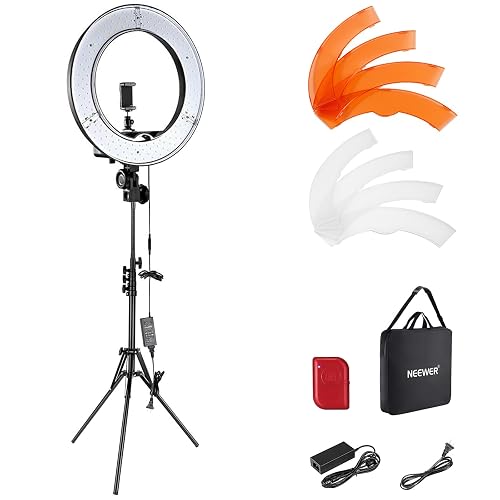
- Ring Lights: Incredibly useful for illuminating darker corners, hallways, and bathrooms. The Neewer 18 Inch Ring Light Kit comes with a stand and adjustable colour temperature options.
- Your Home's Existing Lights: Turn on every lamp, ceiling light, and feature light in your home.
Stability
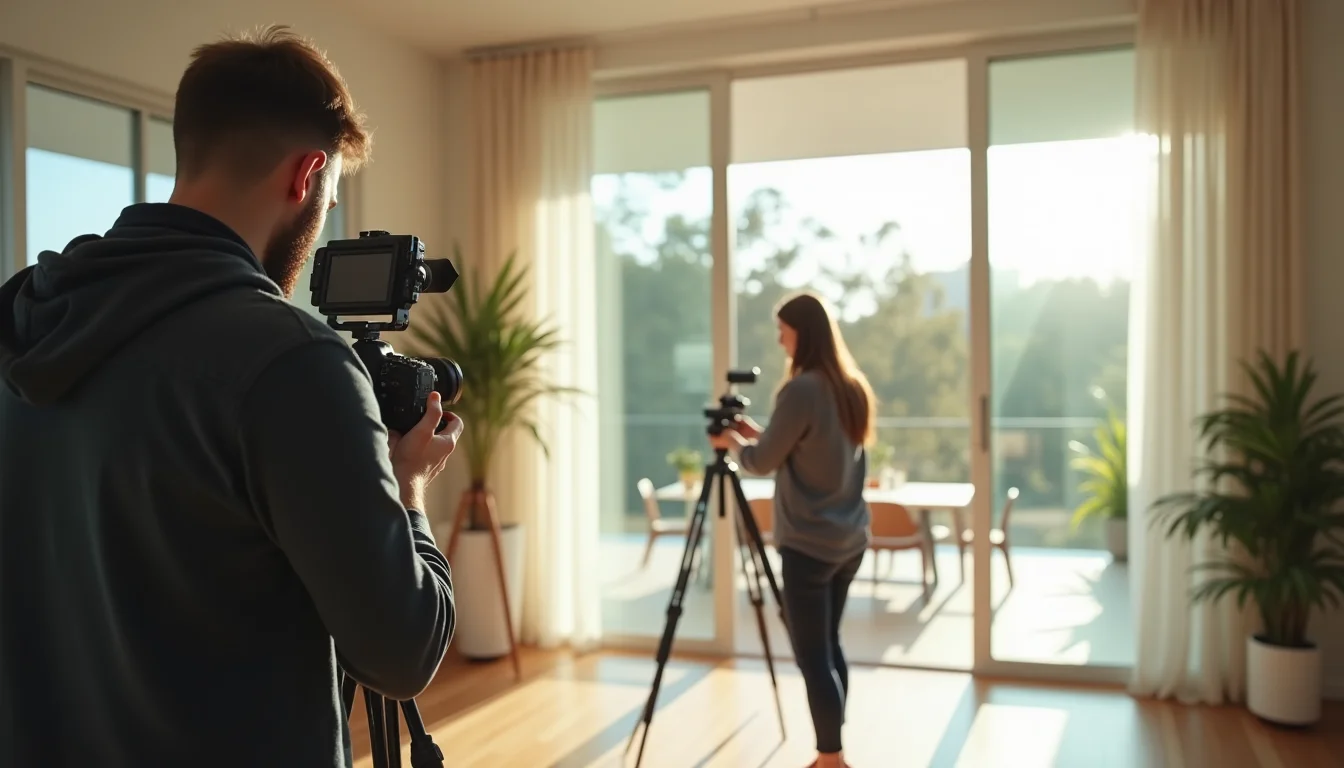
- Tripod: A stable tripod eliminates camera shake, especially in lower light conditions. Look for lightweight, portable tripods that extend to eye level (1.2m-1.5m) with a smartphone mount.
- Remote Shutter: Prevents camera shake when pressing the shutter. Alternatively, use your phone's timer function.
Cleaning Essentials
- Microfiber Cloths: For cleaning your phone's lens, mirrors, and glass surfaces. A clean lens is paramount.
- Glass Cleaner: For sparkling windows and mirrors. Streaky glass is glaringly obvious in photos.
Lighting — The Single Most Important Factor
Good lighting transforms an ordinary room into an inviting space, highlighting features and making rooms feel larger. Poor lighting makes even spectacular homes appear dim and cramped.
Golden Hour for Exteriors
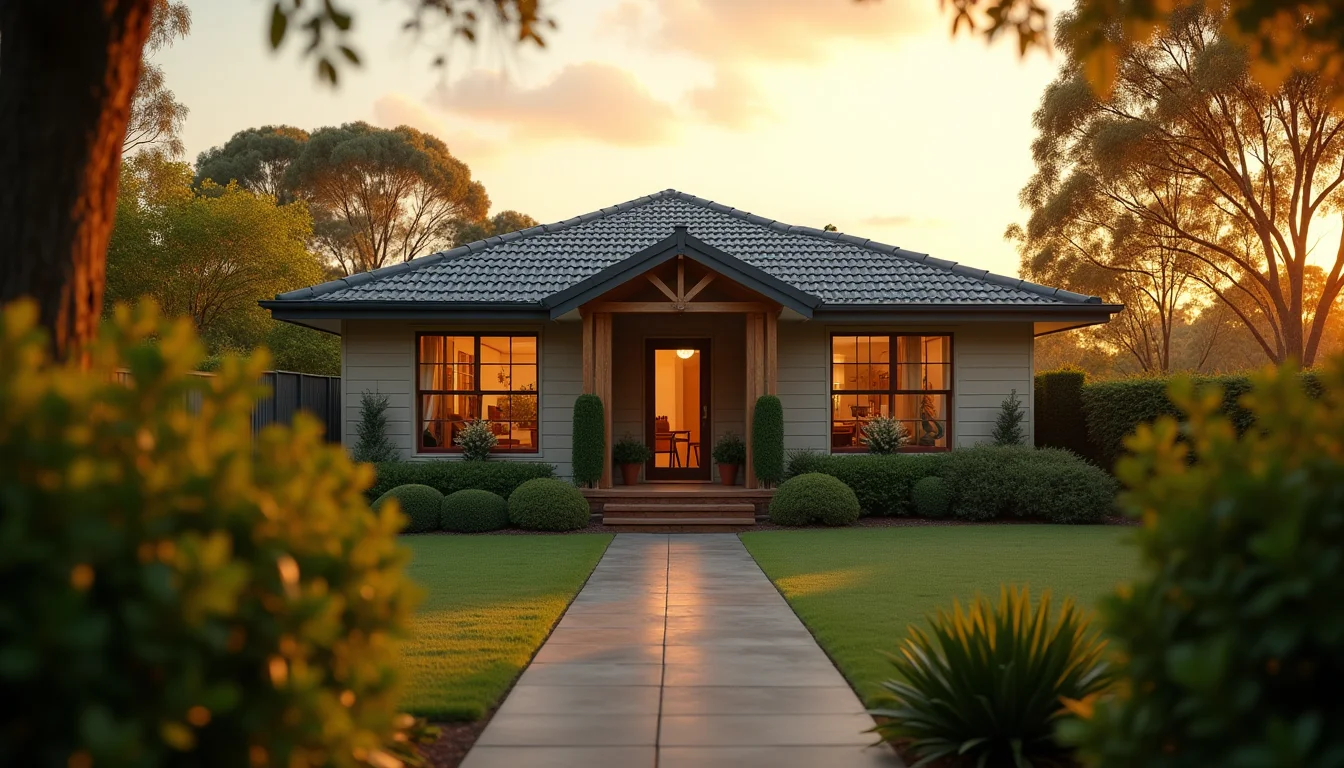
Shoot exterior photos 1-2 hours after sunrise or 1-2 hours before sunset. This 'golden hour' light is warm, soft, and flattering. Midday sun creates harsh shadows and blown-out highlights that make properties look unflattering.
Interior Lighting Strategy
- Turn On Every Light: Every ceiling light, lamp, under-cabinet light, and feature light should be on. Even during the day, artificial lighting fills shadows and adds warmth.
- Open All Blinds and Curtains: Maximise natural light entering each room. Clean windows beforehand for maximum light transmission.
- Supplement with Ring Light: Position your ring light to fill shadows in darker corners or rooms without natural light, such as internal bathrooms or laundries.
- Avoid Harsh Midday Light: If shooting interiors during midday, close curtains slightly on sun-facing windows to prevent blown-out highlights while keeping other windows fully open.
Handling Challenging Light Directions
When natural light comes from behind the camera (ideal), rooms photograph well naturally. When light comes from in front of the camera (shooting towards windows), use HDR mode on your phone to balance the bright window with the darker interior. Position your ring light behind you to fill the foreground with even light.
Composition — Making Rooms Look Their Best
How you frame and compose each shot is nearly as important as the lighting. Good composition makes rooms feel spacious and inviting.
Room Photography Techniques
- Shoot from Doorways: Standing in the doorway gives viewers a natural perspective of entering the room. This vantage point maximises the visible area.
- Corner to Corner: For the widest possible view, position yourself in one corner and shoot diagonally to the opposite corner. This creates maximum depth perception.
- Show Flow: Capture how rooms connect — shoot through doorways to show the relationship between spaces.
- Camera Height: Keep the camera at chest height (approximately 1.2m). Too high and you see too much floor; too low and you see too much ceiling.
- Keep Verticals Straight: Ensure walls and door frames are perfectly vertical in your photos. Tilted verticals make rooms look distorted.
The 30% Decluttering Rule
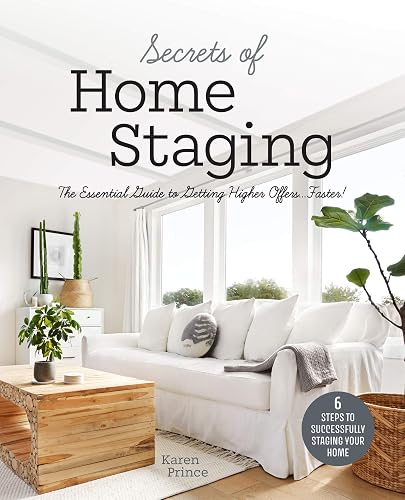
Before photographing any room, remove at least 30% of visible items. This includes personal photos, excess cushions, kitchen appliances on benchtops, bathroom products, and children's toys. For more detailed staging advice, see our property styling guide.
Room-Specific Tips
- Kitchen: Clear all benchtops except one or two styling items (fruit bowl, herb plant). Close all cupboard doors. Clean the sink and stovetop until they shine.
- Bathroom: Remove all personal products. Add fresh white towels, folded neatly. Close the toilet lid. Ensure grout is clean.
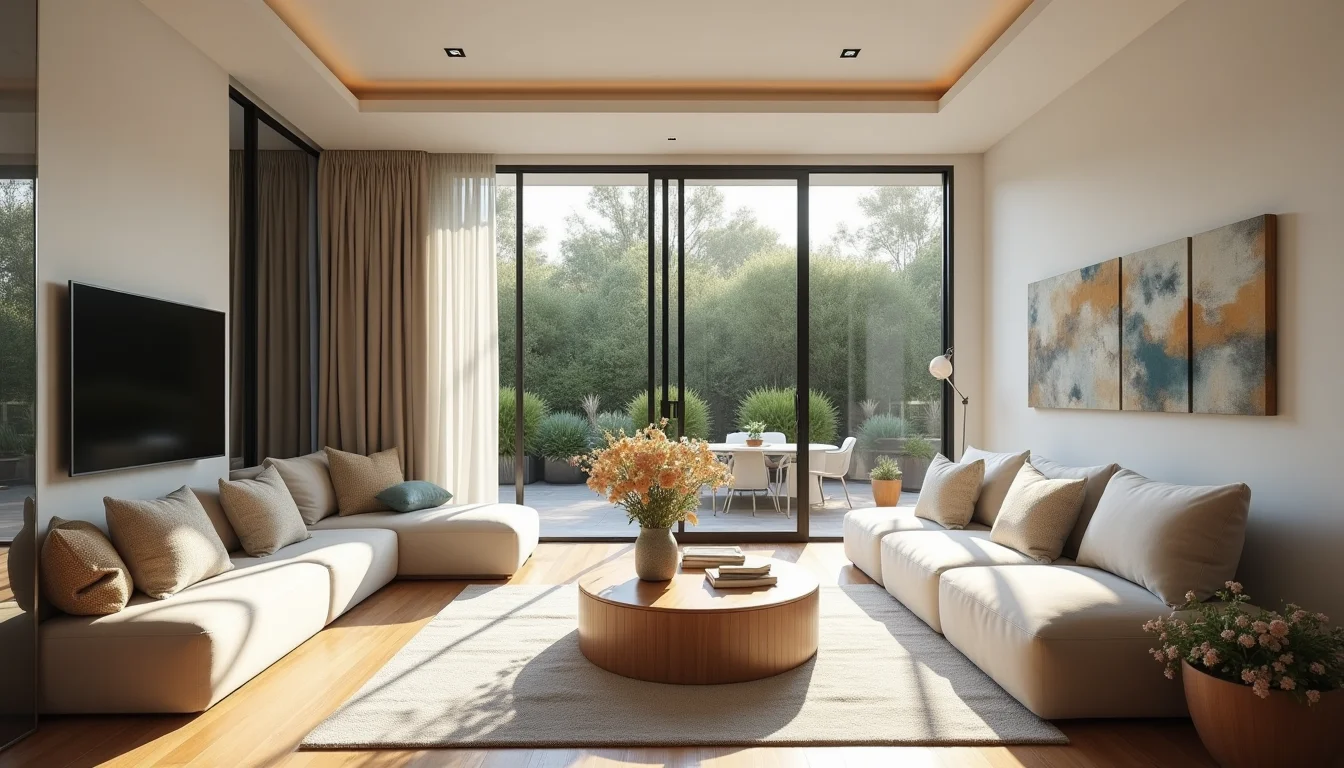
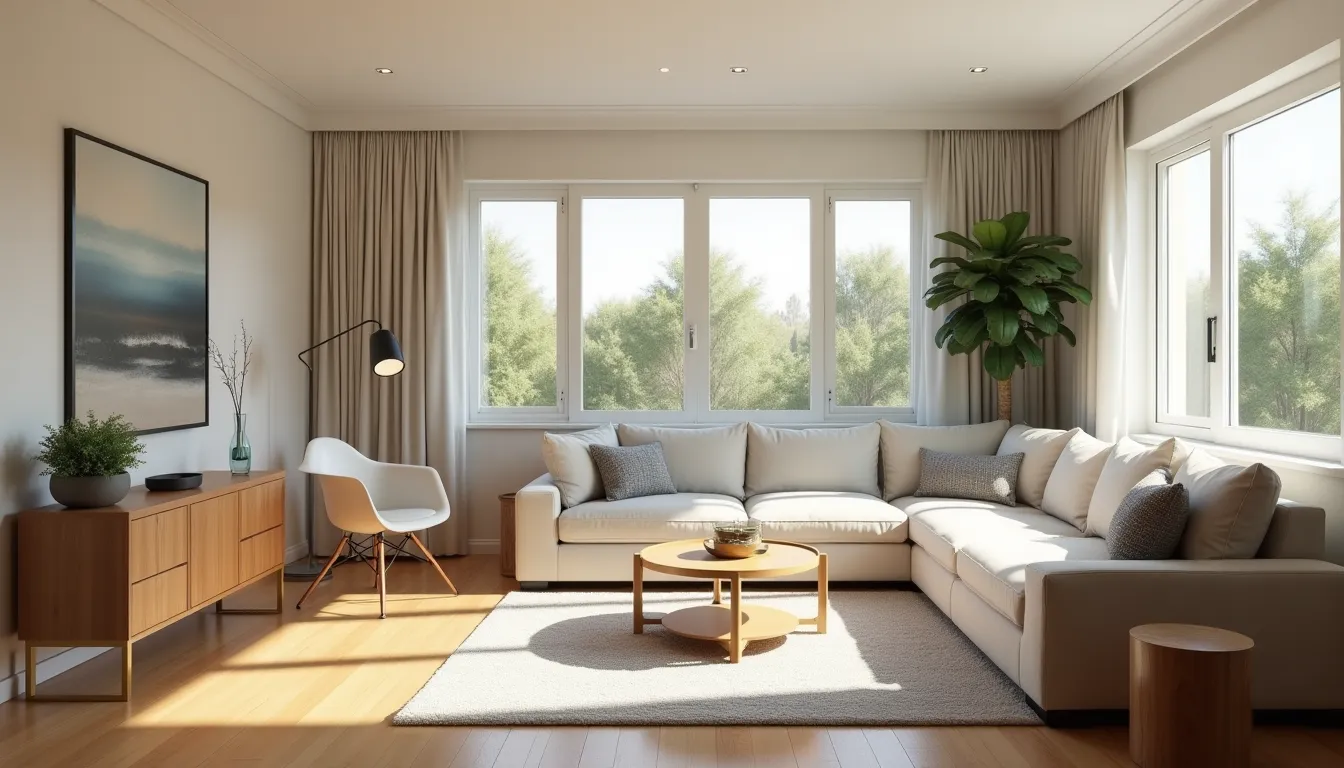
- Living Room: Arrange cushions symmetrically. Remove remotes, magazines, and cables. Add a single styling element like fresh flowers.
- Outdoor Areas: Mow the lawn, sweep the patio, and stage with outdoor furniture. Clear pool surfaces and ensure garden beds are edged.
Editing — Enhancing Without Overdoing It
Post-processing can significantly improve your photos, but restraint is essential. Over-edited photos look fake and undermine buyer trust.
Free Editing Apps
- Snapseed: Google's free photo editor offers powerful tools including selective adjustments, HDR, and perspective correction. Ideal for brightening dark rooms and correcting white balance.
- Lightroom Mobile: Adobe's free mobile version provides professional-grade colour correction, exposure adjustment, and lens correction tools.
Key Editing Adjustments
- Brightness: Increase slightly to make rooms feel airy and light. Most property photos benefit from being slightly brighter than reality.
- Contrast: A subtle increase in contrast adds depth and definition to rooms.
- White Balance: Correct any colour casts. Interior photos often have a yellow cast from warm artificial lighting — cool this slightly for a more neutral, appealing look.
- Straighten: Use the perspective correction tool to ensure walls are perfectly vertical.
When Editing Goes Too Far
If your edited photo looks dramatically different from reality, you've gone too far. Over-saturated colours, unrealistic sky replacements, and digitally removing permanent fixtures will disappoint buyers at inspection and erode trust. The goal is to present your property at its genuine best, not to create a fantasy.
Drone Photography — When Aerial Shots Are Worth It
Aerial photography adds a premium dimension to property listings, providing context and perspective that ground-level shots cannot match. However, it's not necessary for every property.
When Drone Photography Adds Value
- Properties with Land: Acreage, large blocks, or properties with significant outdoor areas benefit enormously from aerial perspective.
- Views: If your property has ocean, harbour, mountain, or city views, drone photography captures what buyers will actually see.
- Proximity to Water: Properties near beaches, rivers, or lakes gain context from aerial shots showing the relationship to water.
- Architectural Features: Unique rooflines, courtyards, or pool areas are best showcased from above.
What to Expect
Professional drone photography in Australia typically costs $100-300 as an add-on to a ground photography package. DJI is the leading brand for consumer and professional drones, and most real estate drone photographers use DJI equipment. Sessions typically take 15-30 minutes and require clear weather and compliance with CASA regulations. Your photographer should hold a Remote Pilot Licence for commercial operations.
When to Hire a Professional Photographer
While DIY photography can yield excellent results, there are situations where professional real estate photography is strongly recommended:
- Properties Over $800K: The higher the price point, the more buyers expect polished, professional imagery. The cost of photography ($200-500) is negligible relative to the sale price.
- Unique Architecture: Heritage homes, architect-designed properties, and homes with unusual layouts require expertise to photograph effectively.
- Prestige Suburbs: Buyers in premium suburbs expect premium presentation. Professional photography is standard in these markets.
- High Competition: In areas with many similar listings, professional photos are the differentiator that drives inquiries to your property over the one next door.
Professional real estate photography in Australia typically costs $200-500 for a standard residential property, including 15-25 edited images delivered within 24-48 hours. Many photographers also offer twilight shoots, drone photography, and video walkthroughs as add-ons.
Key Takeaways
- Better listing photos are the highest-ROI improvement most sellers can make before going to market.
- A $30-80 investment in a wide-angle lens attachment and cleaning supplies can dramatically improve your photos.
- Lighting is the single most important factor — shoot exteriors at golden hour and turn on every interior light.
- Apply the 30% decluttering rule to every room before photographing.
- Edit with restraint — brighten, straighten, and colour-correct, but don't create a fantasy.
- Hire a professional for properties over $800K or in competitive prestige markets.
For a complete guide to preparing your property for sale, see our selling process guide.
Frequently Asked Questions
Why are high-quality listing photos so important for selling property in Australia?+
In Australia's competitive online real estate market, listing photos create the crucial first impression. They attract buyer attention on platforms like realestate.com.au, leading to more views, inquiries, and faster sales. Good photos suggest a well-maintained property, can lead to higher offers, and are essential for engaging potential purchasers effectively within seconds.
Can I use my smartphone to take good property listing photos in Australia?+
Yes, absolutely! Modern smartphones are often sufficient for capturing compelling property photos. Their advanced cameras, with features like wide-angle lenses and improved low-light performance, can produce excellent results when combined with good lighting, composition, and editing techniques. Professional equipment isn't always necessary for significant improvement.
What is the typical impact of professional-quality photos on property sales outcomes in Australia?+
Professional-quality photos significantly enhance property sales outcomes in Australia. They lead to properties selling notably faster and often result in higher offers, potentially adding thousands to the sale price. Such imagery generates increased buyer engagement and creates a perception of higher property value and seller diligence among prospective buyers.
How do good listing photos influence buyer behaviour on Australian real estate portals?+
On Australian real estate portals, good listing photos instantly grab buyer attention, compelling them to click and explore further. Conversely, poor-quality images are quickly scrolled past. Engaging photos increase views and inquiries, suggesting a desirable property and motivating potential buyers to book an inspection, thereby accelerating the sales process.
Recommended

As an Amazon Associate REAStats earns from qualifying purchases.
Recommended
As an Amazon Associate REAStats earns from qualifying purchases.