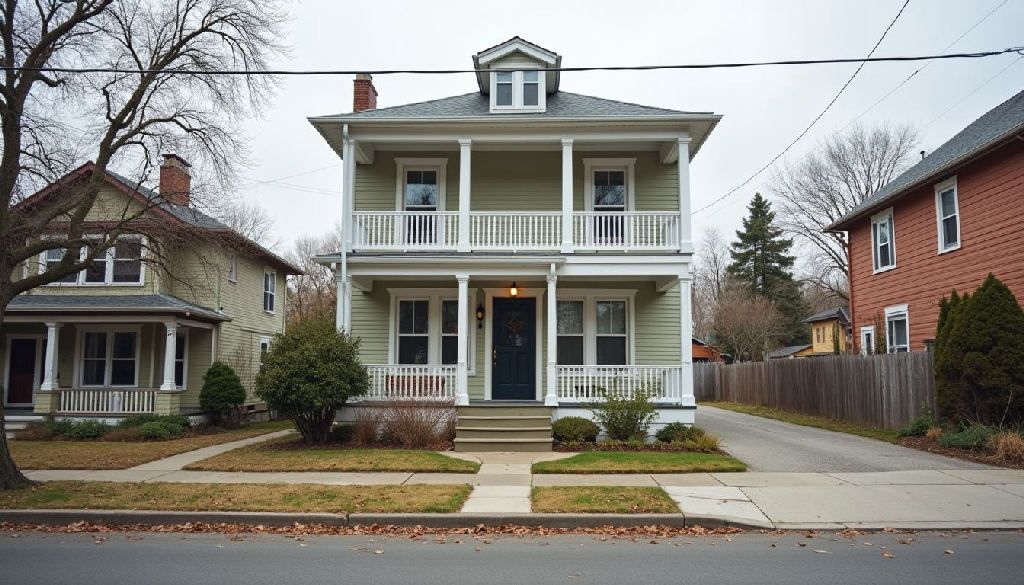
Almost half of Australia's renters — 48 per cent — missed or paid a bill late in the past month, compared with 33 per cent of mortgage holders and 18 per cent of outright owners, according to REA Group. The finding, drawn from a Primara Research survey published 12 November 2026, lands days after the Reserve Bank lifted the cash rate to its highest level since 2011, a move that triggered widespread coverage of mortgage stress while, according to REA Group, largely overlooking the impact on renters.
The Survey Data Behind the Headline
The numbers are specific and stark. A quarter of renters in the Primara Research survey said they "usually" run short on cash after paying for essentials each month, versus roughly one in seven mortgage holders. One in five renters said they could not raise $500 within a week for an unexpected expense, compared with 10 per cent of mortgage holders. The age breakdown undercuts any suggestion that this is a youth-spending problem: 29 per cent of renters over 35 reported running short each month, against 17 per cent of renters under 35.
For broader market context, see Bubblepedia's historical Australian property bubble analysis.
Separate survey data from the not-for-profit Everybody's Home found that 76 per cent of respondents would need to make budget sacrifices if their rent or mortgage repayment rose by just $20 a week. Tenants reported already cutting back — 48 per cent reducing energy use, 40 per cent limiting driving, and 38 per cent avoiding the doctor. More than a third had delayed or abandoned plans to buy a home, and 23 per cent said they feared further housing cost rises would push them toward homelessness.
Primara Research found 48 per cent of renters missed or paid a bill late in the past month — nearly 1.5 times the 33 per cent rate recorded among mortgage holders — while ABS data shows rents grew at the fastest pace since the late 1980s between the 2022 and 2024 financial years.
Why the Rate Debate Keeps Missing Renters
ABS national accounts data, analysed by Primara for consumer finance group Credit24, found that four-fifths of the increase in national rental spending was attributable to higher prices rather than more people entering the rental market. Australians spent a record $73.7 billion on rent last year. The national median rent has climbed to $675 a week according to REA Group's quarterly data, with Sydney renters paying $2,600 more this year than in 2025.
REAStats records the national auction clearance rate at 68.8 per cent, with Sydney clearing at 70.8 per cent, Melbourne at 68.8 per cent, and Brisbane at 67.2 per cent, while the RBA cash rate sits at 4.85 per cent. The national median price stands at $818,000 with a 36-day average time on market. Credit24 analyst Lee Carney noted the gap between rents and wage growth is making it "impossible for renters to build a buffer, however carefully they budget."
Market Context: Price Growth While Rent Pressure Builds
REAStats suburb data shows the scale of divergence occurring elsewhere in the property market. Nedlands in Western Australia recorded 15 per cent annual price growth against a $2.2 million median and just 15 days on market, while Dandenong in Victoria posted 2.3 per cent growth on a $680,000 median and a 40-day sales cycle. South Perth recorded 13.8 per cent annual growth to a $1.45 million median over the same period.
Everybody's Home spokesperson Maiy Azize said renters must not be overlooked when discussing the impact of interest rate rises: "Renters have been forced to absorb rent increases for years that have left them making impossible sacrifices and no buffer as costs continue to climb," she said. "Higher interest rates price more renters out from buying a home, and some landlords and agents will take any excuse to increase rents." Azize called for "large-scale investment in social and affordable housing" from the federal government. For investors assessing portfolio strategy under tightening lending conditions, REAStats' Australian Property Market Statistics 2025 guide provides the national clearance rate, days-on-market and price benchmarks referenced above in full context, and our Rental Vacancy Rates Explained entry breaks down how tight vacancy conditions translate into landlord pricing power.
Background: A Rate Cycle Alongside Rising Rents
This is not a new story so much as a data point confirming a trend that has built over recent years. ABS figures cited by REA Group show rents rose at their fastest rate since the late 1980s between 2022 and 2024. Property managers' fees also factor into landlords' net returns from rental income; our Property Manager vs Self-Managing Your Rental comparison outlines where that cost falls relative to rental income. For first-home buyers weighing whether to keep renting or attempt a purchase at the current cash rate, the Lenders Mortgage Insurance in Australia guide explains the added cost structure facing low-deposit buyers trying to exit the rental pool altogether.
What the Data Signals Next
The REA Group figures reframe a debate that has, until now, centred almost entirely on mortgage holders and the RBA's cash rate decisions. The Primara Research findings show that a quarter of renters are already running short on cash each month, nearly double the rate reported by mortgage holders, while one in five renters could not raise $500 for an unexpected expense. For policymakers and vendors alike, the figures make clear that any assessment of housing stress in 2026 that stops at mortgage repayments is reading only half the ledger.