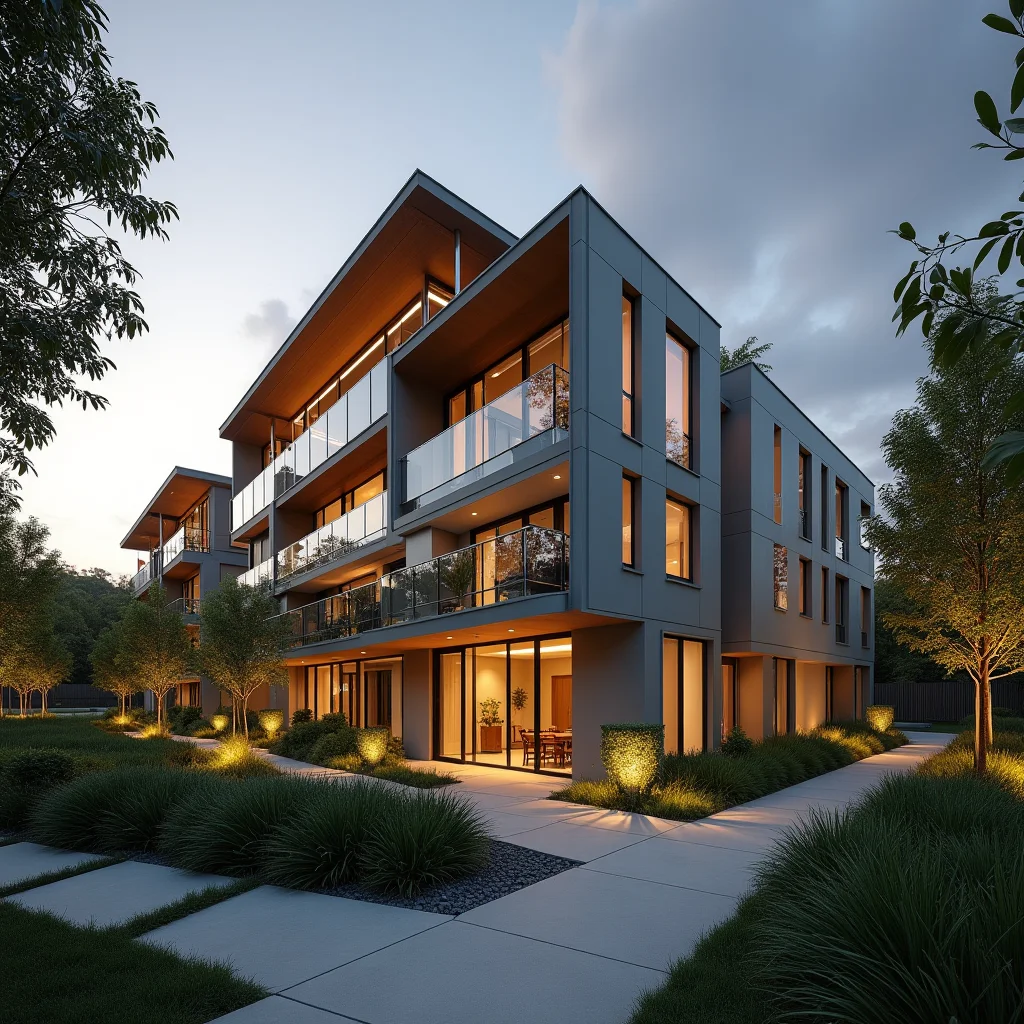
Fitzroy recorded 3.2% annual growth at a $1,650,000 median price in July 2026, with properties selling in 26 days and an auction clearance rate of 63.7% — figures that place the inner-north Melbourne suburb well above the city's deteriorating winter average. That context matters considerably: according to The Age Property, Melbourne is currently experiencing its weakest auction market since 2020, with roughly half of homes scheduled for auction clearing each week across the broader city.
Fitzroy's Clearance Rate Outperforms a Struggling Melbourne Market
Fitzroy's 63.7% auction clearance rate is a meaningful premium over Melbourne's city-wide average, which has been running at or below 50% across multiple consecutive winter weeks. In that environment, a suburb holding above 63% reflects concentrated, motivated buyer demand — the kind typically driven by lifestyle scarcity rather than speculative investment volume. Fitzroy's architectural stock, walkability score, and proximity to the CBD consistently attract a buyer cohort that does not waver materially under RBA rate pressure.
For broader market context, see Australian Property Forum property market data.
The RBA cash rate remains at 4.35%, and its sustained hold has compressed borrowing capacity across Victoria more broadly. Suburbs with higher median prices and lifestyle premiums have proven less sensitive to that compression than outer-ring suburbs, where affordability thresholds are tighter. Fitzroy's 26-day median time on market underscores this dynamic — properties are not lingering, even in a winter period where many Melbourne vendors are delaying campaigns or converting to private treaty.
By comparison, Prahran — a comparable inner-Melbourne lifestyle suburb — sits at a $1,550,000 median with 3.9% annual growth and a 69% clearance rate at 25 days on market. Fitzroy's slightly lower clearance rate and marginally faster sale cycle suggest tighter supply dynamics in the suburb, where period terrace stock is limited and new listings are infrequent. That scarcity dynamic is a primary driver of price resilience in the current environment.
How Fitzroy Compares as a Tier 2 Lifestyle Suburb
Fitzroy sits firmly in what market data classifies as the tier 2 lifestyle category — inner-city suburbs with medians between $1.2m and $2.2m that attract owner-occupier buyers rather than yield-focused investors. Its 3% rental yield confirms this classification: the suburb's investment case rests on capital growth, not income return, which aligns with its 3.2% annual growth trajectory under current rate conditions.
Across the same tier, Kew records a $2,100,000 median at 4.4% annual growth with a 71% clearance rate and 24 days on market — stronger across all four metrics. The Kew result reflects prestige-tier scarcity and a lower price-sensitivity buyer pool. Fitzroy's position relative to Kew suggests room for compression in the event of further rate pressure, but also confirms that the suburb is not yet experiencing the demand deterioration visible in Melbourne's outer and middle rings.
Nationally, the tier 2 lifestyle segment shows significant state variation. West End in Queensland posts 8.8% annual growth at a $1,350,000 median with 22 days on market — more than double Fitzroy's growth rate at a lower price point. South Perth records 13.8% growth at $1,450,000 with a 17-day median sale cycle. These interstate comparisons expose the structural disadvantage facing Melbourne's inner suburbs under Victoria's current cost environment, including land tax settings and the sustained impact of the RBA's 4.35% rate on Victorian buyer sentiment. For a broader view of how macro conditions are shaping these cross-state divergences, macro and interest rate market analysis provides detailed context on the rate cycle's impact on property demand by state.
Fitzroy's 63.7% auction clearance rate and 26-day median time on market sit materially above Melbourne's city-wide winter average of approximately 50%, confirming that inner-north lifestyle scarcity is insulating the suburb from the broader seasonal demand contraction affecting Victorian property in July 2026.
Auction Market Rebound Signals and What They Mean for Fitzroy
According to REA Group, clearance rates rebounded in mid-July 2026, with at least one auction result exceeding reserve by $500,000 as competitive bidding returned to certain pockets of the market. While that result was not Fitzroy-specific, it illustrates the conditions that Fitzroy's buyer pool has continued to produce even through the winter period — motivated buyers, limited competing stock, and a willingness to bid competitively for tightly held lifestyle properties.
The question for Fitzroy vendors considering spring campaigns is whether the broader Melbourne market's anticipated recovery — referenced in The Age's July 14 analysis of what spring may bring — will translate into a clearance rate lift above the current 63.7% level. Historical patterns in inner-city Melbourne suburbs suggest that spring listing volumes rise faster than buyer volume, which can dilute clearance rates even when underlying demand strengthens. Fitzroy's low days-on-market figure of 26 days provides some buffer against that risk, but vendors should not assume that spring conditions automatically favour higher prices.
The private treaty vs auction decision is particularly relevant for Fitzroy vendors in the current environment. With the broader Melbourne market under pressure and buyer finance conditions constrained by the RBA's 4.35% rate, auction campaigns carry more execution risk than they did in 2021–2022. A 63.7% clearance rate means roughly one in three properties at auction in Fitzroy does not sell under the hammer — a pass-in rate that represents a meaningful campaign risk for vendors who have not correctly calibrated reserve pricing. For buyers, the cooling-off period rules in Victoria provide an additional layer of protection when purchasing post-auction or via private treaty, which is worth understanding before any Fitzroy campaign concludes.
The 3% Rental Yield and Fitzroy's Investment Profile
Fitzroy's 3% rental yield at a $1,650,000 median produces gross annual rental income of approximately $49,500 — a figure that does not service a standard investment loan at 4.35% RBA cash rate plus lender margin without material negative gearing. At typical investor lending rates of 6.5–7%, the annual interest cost on an 80% LVR loan against a $1,650,000 property would run to approximately $85,800 — leaving an annual pre-tax shortfall of roughly $36,300 before body corporate fees, maintenance, property management, and insurance are factored in.
This arithmetic positions Fitzroy firmly as an owner-occupier market rather than a yield-driven investment suburb. Investors entering at this price point are accepting negative cash flow in exchange for capital growth exposure — a calculation that depends heavily on the suburb's 3.2% annual growth rate continuing or accelerating. At 3.2% growth, a $1,650,000 property adds approximately $52,800 in value annually, which only marginally offsets the carrying cost shortfall. Queensland's West End, by contrast, delivers 8.8% annual growth at a lower median, producing a materially stronger total return case for the same investment horizon.
For investors evaluating Fitzroy's entry costs, Victoria's stamp duty obligations are substantial at this price point. A $1,650,000 purchase in Victoria attracts stamp duty of approximately $90,070 under the standard rate schedule — a significant upfront cost that extends the effective break-even horizon for capital growth investors. The Stamp Duty in Australia — Complete State-by-State Guide for 2025 provides a full breakdown of Victorian rates, concessions, and how they compare to other states, which is directly relevant to any Fitzroy purchase decision.
What the Data Signals for Fitzroy Agents, Buyers, and Vendors
For agents operating in Fitzroy, the 26-day median time on market and 63.7% clearance rate confirm that well-priced listings in the suburb continue to attract competitive buyer interest despite the city-wide winter softness. The challenge is managing vendor price expectations against a backdrop where Melbourne's broader auction market is tracking at its weakest level since 2020. Vendors who price correctly for current conditions — not the 2021–2022 peak — are achieving results; those who anchor to prior cycle peaks are contributing to the pass-in rate.
For buyers, Fitzroy's 26-day sale cycle means that well-presented properties in desirable pockets of the suburb are moving quickly. Pre-approval, building inspection scheduling, and legal review of the contract of sale need to be completed before a property hits the market, not after. Buyers who arrive underprepared are consistently losing to those who have their finance and due diligence infrastructure in place before inspection weekend.
Looking toward spring 2026, Fitzroy's data profile — $1,650,000 median, 3.2% annual growth, 63.7% clearance rate, 26 days on market — positions the suburb as a stable but not accelerating market. Spring listing volumes will test whether buyer depth is sufficient to absorb increased supply without clearance rate compression. If Melbourne's broader market continues to recover as The Age's July analysis anticipates, Fitzroy's premium over the city average should hold. If the recovery stalls, inner-north lifestyle suburbs with thin yields and sub-4% growth rates are likely to see increased vendor-buyer negotiating tension through the September–November campaign period.