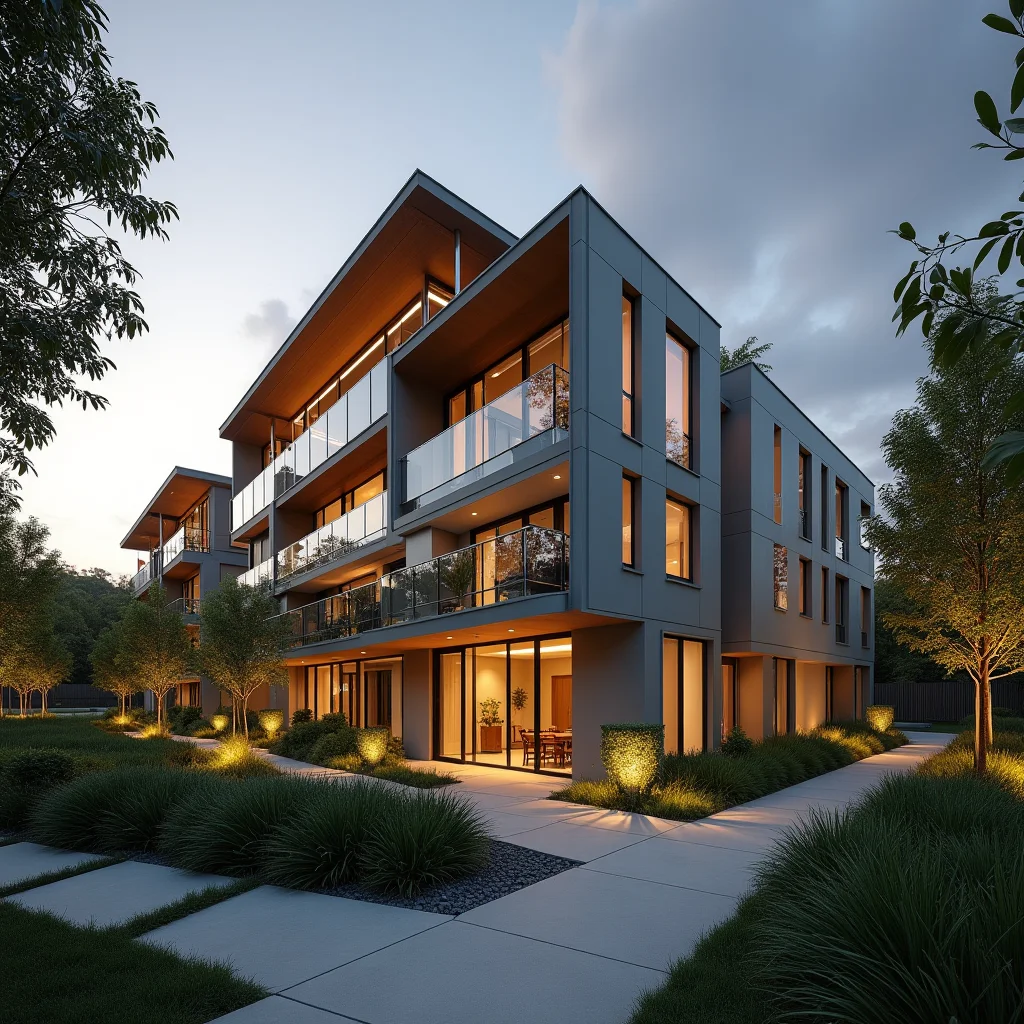
Australia's property market is increasingly defined by a multi-speed dynamic, where performance diverges sharply between different price tiers. Premium suburbs are currently exhibiting remarkable strength, with data from sources like CoreLogic and PropTrack indicating auction clearance rates consistently above 70%, in some cases reaching 74.2%. This creates a distinct performance gap that positions established lifestyle-focused locations like Fremantle, Western Australia, within a more challenging mid-tier market segment. While the nation’s most expensive postcodes demonstrate resilience with rapid 20-day sales cycles, these tier 2 suburbs, which average a longer 32-day market exposure, must compete on qualitative lifestyle attributes rather than purely on capital growth metrics.
Tier 2 Market Positioning Against Premium Performance
The current market structure reveals a significant bifurcation between premium and mid-tier performance. This divergence is driven by several factors, including the concentration of wealth, a flight to quality by high-net-worth individuals during economic uncertainty, and the reduced sensitivity of cash-heavy buyers to monetary policy shifts. Premium suburbs, such as Sydney’s Bondi Beach, are recording median detached house prices of $3.1 million with solid annual growth of 6.1% and minimal days on market (DOM) averages of just 20 days. Similar performance is seen in Melbourne's inner-east, where suburbs like Toorak maintain multi-million dollar medians and attract strong buyer competition irrespective of broader market conditions.
In contrast, tier 2 markets exhibit more modest metrics. The Melbourne suburb of Box Hill, for example, demonstrates typical mid-tier dynamics with a median house price of $1.25 million, annual growth of 3.5%, and a 30-day average market exposure. This performance differential clearly defines the competitive landscape for suburbs like Fremantle.
Fremantle's Place in the Perth Market Hierarchy
Within the context of Greater Perth, Fremantle’s tier 2 classification places it in a competitive mid-market segment. While it offers a desirable coastal and cultural lifestyle, its performance metrics are distinct from Perth’s premium suburbs like Cottesloe or Dalkeith, where median prices are substantially higher and demand from affluent buyers remains robust. Fremantle's appeal—rooted in its historic port city character, heritage architecture, and vibrant arts scene—must compensate for capital growth rates that do not match those of the top-tier markets. This positions it as a lifestyle-driven choice, aligning with broader tier 2 market characteristics observed across Australian capital cities.
| Metric | Premium Suburbs (e.g., Bondi Beach, Toorak) | Tier 2 Suburbs (e.g., Fremantle, Box Hill) |
|---|---|---|
| Median Price (Detached) | $3.0M - $5.0M+ | $1.0M - $1.8M |
| Typical Annual Growth | 5.0% - 7.0%+ | 2.5% - 4.0% |
| Average Days on Market | 18 - 25 days | 28 - 40 days |
| Auction Clearance Rate | ~74% | ~62% |
Inflation and Monetary Policy Impact on Mid-Tier Affordability
Persistent inflation, with the Australian Bureau of Statistics (ABS) Consumer Price Index (CPI) tracking around 4.6% in recent quarters, creates particular challenges for tier 2 markets. Rising costs for non-discretionary items like transport, food, and energy directly erode household savings and reduce borrowing capacity. This squeeze disproportionately affects the typical buyer profile in mid-tier suburbs—often professionals and families looking to upgrade—who are more reliant on financing than the cash-heavy purchasers dominant in premium markets.
Premium markets achieve 74.2% clearance rates while mid-tier locations plateau at 62%, highlighting market bifurcation amid RBA rate freeze conditions that particularly impact lifestyle-focused tier 2 suburbs.
The monetary policy stance of the Reserve Bank of Australia (RBA) is a critical variable. A scenario involving further cash rate increases, potentially pushing the rate past 4.5%, would significantly dampen demand in the mid-tier. Buyers in this segment often operate closer to their maximum borrowing capacity, as assessed by lenders under the Australian Prudential Regulation Authority's (APRA) serviceability buffer (currently an additional 3.0% on top of the loan interest rate). Each rate hike directly curtails the amount they can borrow, potentially pushing them towards more affordable suburbs or delaying their purchase decision altogether. This makes markets like Fremantle more sensitive to interest rate movements than their premium counterparts.
The Enduring Lifestyle Value Proposition in Tier 2 Markets
Fremantle's enduring appeal is intrinsically linked to its identity as a lifestyle destination. Its established value proposition is built on a foundation that pure investment-grade suburbs cannot replicate. This includes:
- Heritage and Character: Well-preserved 19th-century streetscapes and a designated heritage overlay provide a unique architectural aesthetic.
- Cultural Amenities: A thriving arts scene, the University of Notre Dame Australia campus, numerous galleries, and venues like the Fremantle Arts Centre.
- Coastal and Recreational Access: Proximity to Bathers Beach and South Beach, along with the extensive facilities of the Fishing Boat Harbour.
- Established Dining and Retail: The renowned 'Cappuccino Strip' and a growing number of high-quality restaurants and independent retailers.
This positioning mirrors other successful tier 2 markets nationally, such as Brunswick in Melbourne ($1.18 million median, 3.3% growth) or West End in Brisbane, which combine vibrant community amenities with relative affordability compared to their respective cities' most prestigious postcodes. The challenge for these suburbs lies in maintaining buyer interest when economic uncertainty prompts a flight to perceived safety in premium assets.
Market Outlook for Tier 2 Lifestyle Suburbs
Near-term market data suggests that tier 2 suburbs will face continued pressure as buyer activity polarises between premium security and entry-level affordability. The performance within this tier is also varied. Suburbs at the lower end of the tier 2 spectrum, like Reservoir in Melbourne ($880,000 median, 2.8% growth, 32 DOM), demonstrate the impact of affordability constraints. Meanwhile, stronger-performing mid-tier locations like Melbourne's Essendon ($1.52 million median, 3.9% growth, 27 DOM) benefit from favourable school zones and transport links, attracting a resilient buyer demographic.
Fremantle's trajectory will depend on its ability to balance this inherent lifestyle appeal with macroeconomic pressures on affordability. The suburb’s ongoing urban renewal projects, including the transformation of the city centre at Walyalup Koort, provide a strong foundation for long-term value. However, its performance will likely track closer to the 3.5% growth rates typical of established tier 2 markets rather than the higher returns of premium Perth suburbs.
Strategic Considerations for Market Participants
For agents and vendors operating in tier 2 markets like Fremantle, sales and marketing strategies must adapt to the current climate. The focus must shift from pure investment metrics and rapid capital gains towards a narrative centred on long-term value propositions. Emphasising livability—walkability scores, community feel, proximity to specific amenities, and unique local character—will resonate more effectively with the target buyer pool. Vendors should be counselled to anticipate marketing periods closer to the 30-day tier 2 average and to establish price expectations that reflect the suburb's lifestyle value rather than chasing premium market benchmarks. Success in this segment hinges on articulating why a suburb is a superior place to live, not just a vehicle for wealth creation.