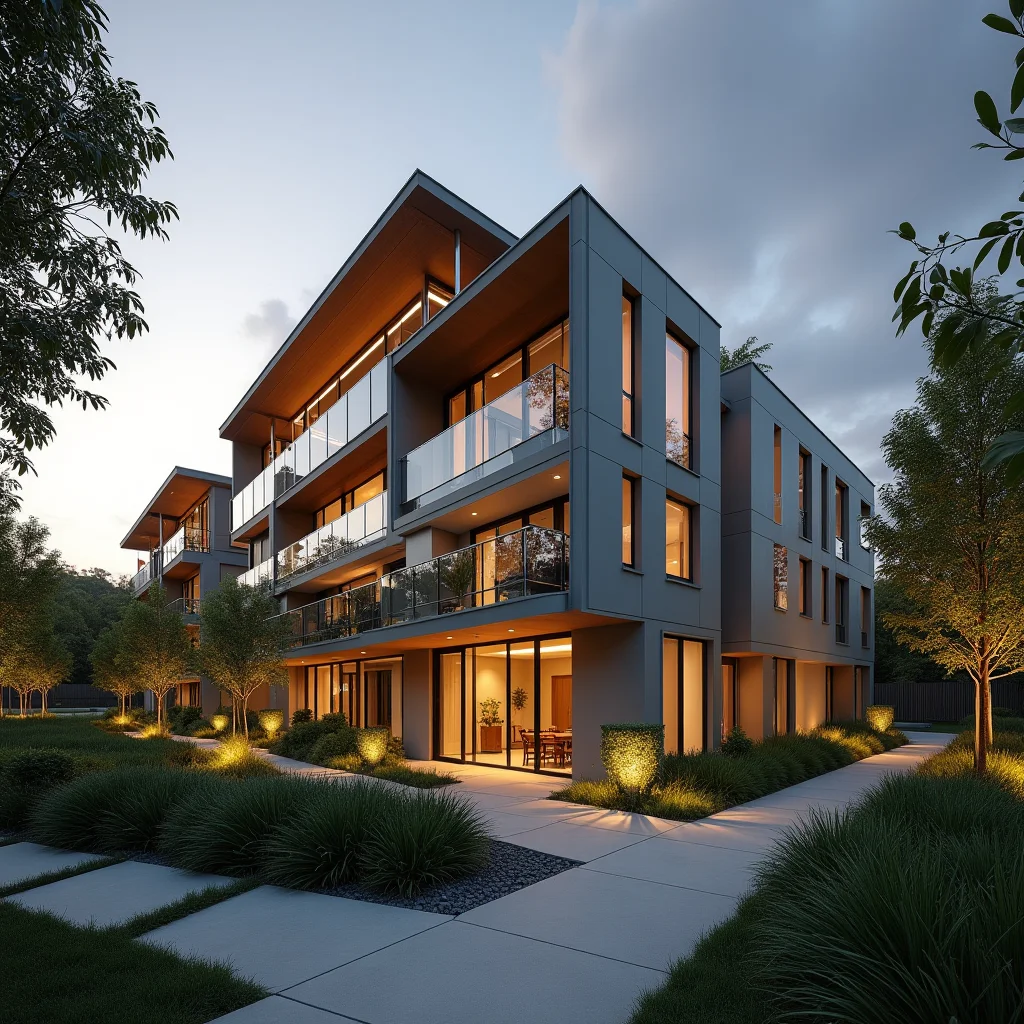
Mosman's property market continues to exhibit performance metrics that place it in the top echelon of Australia's residential real estate landscape. Commanding a median house price of $4.2 million, properties in the harbour-side suburb are selling in an average of just 22 days, establishing a benchmark for market velocity and resilience. Combined with a robust 72.5% auction clearance rate, this data confirms Mosman's position as a Tier 1 prestige market, outperforming not only mid-tier locations but also many of its premium competitors across the nation's capital cities.
This performance stands in contrast to the broader market moderation seen across Sydney and other capitals following the Reserve Bank of Australia's (RBA) series of cash rate hikes since May 2022. While rising interest rates have tempered buyer demand and extended selling times in many segments, the data from Mosman underscores a clear divergence, where the dynamics of wealth, limited supply, and sustained demand create a market insulated from typical economic pressures.
Premium Market Velocity Defines Tier 1 Performance
The speed at which properties transact is a critical indicator of demand intensity. Mosman's 22-day average days on market (DOM) represents one of the most rapid property turnovers for any ultra-premium market in Australia. This velocity metric is a reflection of a deep and competitive buyer pool. For context, this pace is marginally behind the fiercely competitive market of Bondi Beach (20 days) but ahead of Melbourne's premier equivalent, Toorak (23 days). More significantly, it is substantially faster than the broader Sydney city-wide average selling time, which data from research houses like PropTrack typically places around 32-35 days.
This rapid sales cycle in postcodes with medians above the $4 million threshold points to a concentration of highly motivated, financially prepared buyers. When a desirable asset becomes available, competition is immediate, leading to swift inventory absorption. This contrasts sharply with mid-tier and outer-suburban markets where higher DOM figures reflect greater buyer caution and price sensitivity in a higher interest rate environment.
Sustained Capital Growth Amidst Economic Headwinds
Despite the RBA's monetary tightening policy lifting the cash rate to a decade-high, Mosman's property values have demonstrated remarkable resilience. The 5.2% annual growth rate is a testament to sustained capital appreciation, a trajectory that exceeds the broader Sydney premium market average. Analysis of CoreLogic's Home Value Index shows that while the overall Sydney market experienced significant volatility, the top quartile has consistently outperformed, with harbour-proximate locations leading this trend. Price momentum is underpinned by a chronic undersupply of prestige homes, particularly those with iconic water views, and consistent interest from both expatriate and international buyers.
Auction Performance Separates Elite Suburbs
Auction clearance rates provide a transparent, real-time measure of market sentiment and the balance between buyer and seller expectations. Mosman's 72.5% clearance rate firmly positions it within the top tier of auction performance. A clear stratification emerges when compared with other markets:
- Bondi Beach: Leads Sydney's premium pack at 74.2%
- Mosman: Follows closely at 72.5%
- Toorak (Melbourne): Registers a strong 72%
This clustering of clearance rates above 72% for suburbs with median prices exceeding $2.8 million is a key differentiator. It demonstrates a market segment where buyers are not only willing but able to transact decisively under auction conditions.
Mid-tier suburbs, typically defined by medians in the $1.2 million to $1.5 million range, consistently show clearance rates between 65% and 68%. This creates a performance gap of 4 to 8 percentage points, signalling distinct buyer behaviour patterns and financing capacities across different price segments.
The strength in the prestige auction market reflects a qualified buyer pool with substantial equity or pre-approved finance capacity. These participants often operate with lower loan-to-value ratios (LVRs), making them less sensitive to the serviceability buffers enforced by the Australian Prudential Regulation Authority (APRA). This financial insulation enables more confident bidding behaviour and contributes directly to the higher success rates observed at auction.
Capital City Prestige Market Hierarchy
The performance metrics highlight Sydney's clear dominance in Australia's ultra-premium property segment. Mosman's $4.2 million median house price establishes a significant valuation gap with Melbourne's highest-performing equivalent, Toorak, where the median sits at $2.8 million. This $1.4 million differential is a long-standing feature of the interstate rivalry, reflecting the unique premium attributed to Sydney's harbour geography, its global city status, and historically deeper international buyer pool.
This performance delta extends beyond price points to key operational metrics, as illustrated by the table below comparing select prestige suburbs.
| Suburb | City | Indicative Median Price | Days on Market | Clearance Rate |
|---|---|---|---|---|
| Mosman | Sydney | $4.2M | 22 | 72.5% |
| Bondi Beach | Sydney | $3.5M | 20 | 74.2% |
| Toorak | Melbourne | $2.8M | 23 | 72.0% |
| Brighton | Melbourne | $2.9M | 24 | 66.1% |
Melbourne's Brighton, for example, with its 24-day selling period and 66.1% clearance rate, lags Mosman's metrics significantly. This data suggests that while demand in Melbourne’s top end is robust, the depth and urgency of the buyer pool in Sydney's premier locations appear more concentrated, leading to faster and more frequent successful transactions.
Tier Classification and Buyer Profile Dynamics
Tier 1 prestige markets like Mosman, Vaucluse, and Point Piper operate with distinct characteristics driven by their unique buyer profiles. Properties priced above $4 million primarily attract a cohort of international buyers, local high-net-worth individuals, and equity-rich downsizers seeking capital preservation and lifestyle assets. This buyer composition creates market dynamics fundamentally different from the mainstream.
The prevalence of cash buyers or those with very low LVRs reduces the market's overall sensitivity to credit conditions. Furthermore, a significant driver of demand comes from local downsizers, who may sell a large family home in a nearby blue-chip suburb for $8-15 million and purchase a luxury apartment or smaller residence in Mosman for $5-7 million, creating a net cash surplus and removing financing from the transaction equation entirely.
This contrasts sharply with Tier 2 and Tier 3 markets, such as Box Hill in Sydney's north-west, where properties average 30 days on market despite strong underlying housing demand. In these areas, buyers are more typically salaried employees reliant on mortgage finance, making them directly exposed to shifts in interest rates and bank lending criteria. This fundamental difference in buyer profile is the primary reason for the widening performance gap between Australia's property market tiers.
The statistical evidence signals ongoing strength and fragmentation within the property market. While headline figures from the Australian Bureau of Statistics (ABS) and other data providers may point to a national market finding its footing, this masks the pronounced stratification between price points. For vendors in locations like Mosman, market conditions support rapid sales execution and strong price outcomes. Conversely, buyers face intense competition for limited inventory, a dynamic that is expected to persist given the inherent supply constraints and deep-seated wealth concentration that define Australia’s Tier 1 property markets.