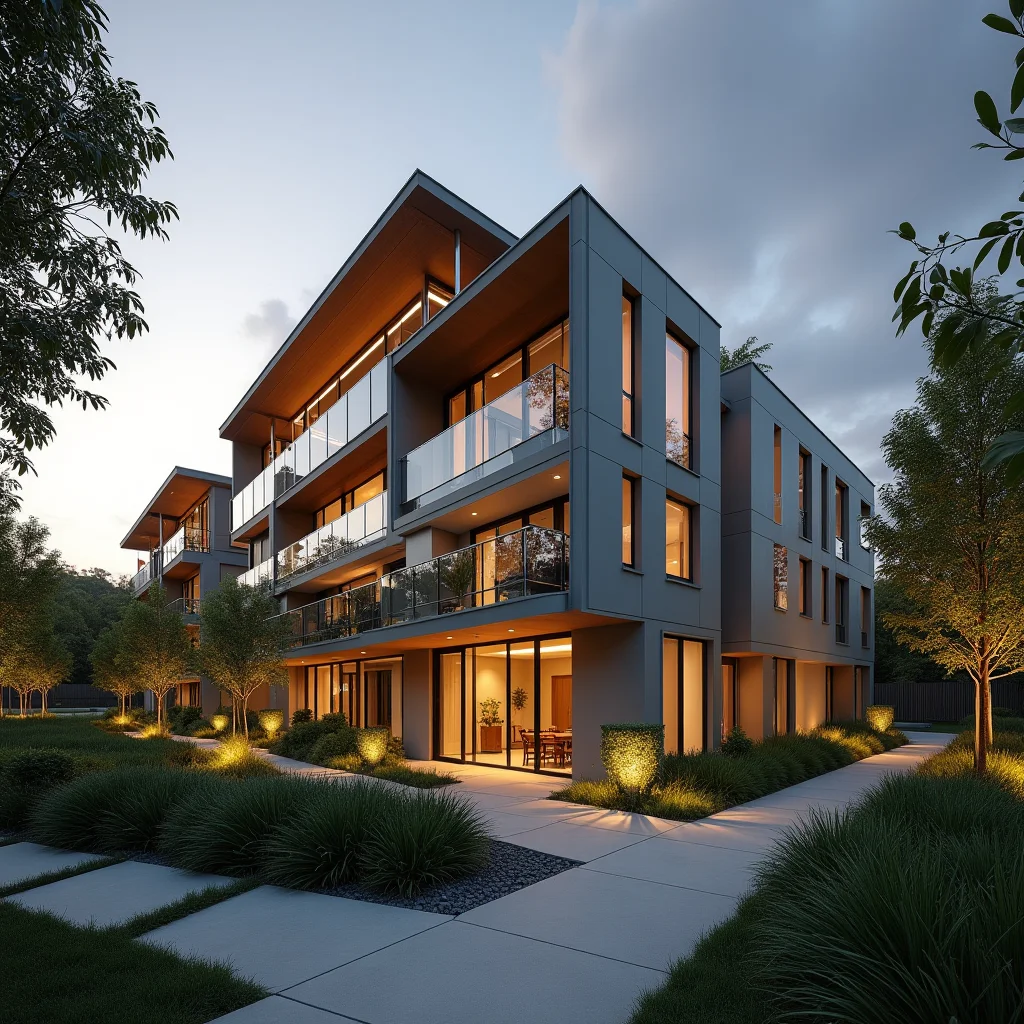
Benchmarking Brisbane's Top Tier Against National Leaders
While granular data for New Farm is not itemised within current national prestige datasets, a robust analysis of comparable Tier 1 markets provides a clear proxy for its performance. The national benchmark for Australia's premium residential sector is currently set by Sydney's Mosman, which exhibits a $4.2 million median price and an average of just 22 days on market. This analysis uses such metrics from Sydney and Melbourne to contextualise the dynamics likely at play within Brisbane's own prestige riverside suburbs, particularly New Farm.
Tier 1 Market Velocity and Buyer Demographics
A defining characteristic of the prestige property market is its transactional velocity, which stands in stark contrast to mid-tier and broader market segments. Mosman's 22-day average sales cycle is closely mirrored by Melbourne's elite suburbs, with Toorak achieving sales in 23 days and Brighton in 24 days. This accelerated turnover is not accidental; it is a direct reflection of the financial capacity and purchasing mindset of high-net-worth buyers. These individuals often operate in cash-rich environments, unencumbered by the financing delays and stringent lending criteria from bodies like APRA that can extend settlement periods in the mainstream market. Their purchasing patterns are decisive, focused on securing unique, high-value assets with less sensitivity to incremental shifts in the RBA's cash rate, which currently stands at 4.10%.
Geographical Premiums and Pricing Stratification
Pricing across Australia's Tier 1 suburbs reveals distinct geographical hierarchies and value drivers. Sydney's harbour-adjacent markets command the nation's highest values, a function of global city status, scarcity of waterfront land, and international recognition. Mosman's $4.2 million median leads the group, while the globally renowned Bondi Beach sits at a $3.1 million median. Interestingly, Melbourne's most prestigious postcode, Toorak, posts a median of $2.8 million, a figure matched by Sydney's inner-city cosmopolitan hub of Paddington. This parity suggests that different, yet equally compelling, desirability factors are at play. Where Toorak's value is underpinned by large land holdings, privacy, and heritage estates, Paddington's is driven by its Victorian-era terrace homes, immediate CBD proximity, and vibrant urban lifestyle, offering a template for how a suburb like New Farm derives value from similar lifestyle-centric attributes.
Auction Clearance Rates as a Barometer of Confidence
Auction clearance rates serve as a critical real-time indicator of market strength and buyer confidence, particularly at the premium end. Leading Tier 1 suburbs consistently return clearance rates well above 70%, a signal of demand actively outstripping a limited supply of quality stock. Bondi Beach leads the analysed cohort at 74.2%, with Mosman recording a similarly robust 72.5%. These figures are substantially stronger than those observed in mid-tier markets, where a suburb like Melbourne's Reservoir struggles to achieve a 62% clearance rate. The performance differential underscores the insulation of the prestige market from the broader economic headwinds that create caution among more mortgage-dependent buyers.
Tier 1 markets show remarkable resilience with clearance rates averaging 72.1% across premium suburbs, compared to 65.8% for mid-tier locations, indicating sustained demand despite the 4.10% cash rate environment.
A Bifurcated Market: The Widening Growth Gap
Analysis of annual growth reveals a widening performance gap between Tier 1 and mid-tier property segments, a classic symptom of a bifurcated market. Capital appreciation is concentrating in established prestige locations, evidenced by Bondi Beach achieving the strongest annual growth at 6.1%, followed by Mosman at 5.2%. Melbourne's top suburbs show more moderate, but still solid, growth, with Toorak at 4.5% and Brighton at 3.5%. This contrasts sharply with the performance of mid-market suburbs like Reservoir, which lag at 2.8% annual growth. This divergence is indicative of a 'flight to quality' phenomenon, where in periods of heightened economic uncertainty, capital flows towards tangible, blue-chip assets perceived as safe havens with a proven track record of long-term value preservation and growth.
Implications for Brisbane's Prestige Market Participants
The data from Sydney and Melbourne provides compelling signals for agents, vendors, and buyers in Brisbane's emerging prestige markets like New Farm. The combination of swift sales cycles, strong auction results, and resilient growth provides agents with a powerful value proposition for securing premium listings. For vendors in suburbs with comparable attributes—such as river frontage, high-end amenity, and proximity to the CBD—there is a clear expectation of an accelerated and competitive sales process. Conversely, prospective buyers must be prepared for a competitive environment. This necessitates having finances in order, being 'auction-ready', and acting with conviction when a suitable property becomes available. The performance metrics strongly suggest that New Farm's fundamental positioning aligns it with these broader Tier 1 dynamics, where lifestyle, scarcity, and a discerning buyer pool insulate the market from wider volatility.
What to Watch
Moving forward, market analysts will be closely monitoring several key indicators. The volume of new listings in these Tier 1 suburbs is paramount; low stock levels will continue to fuel competition and support price stability. The performance of off-market transactions, a significant component of the prestige sector, will offer further insight into top-end buyer sentiment. Additionally, any changes to foreign investment frameworks or significant shifts in international capital flows could influence demand dynamics. While the prestige market has shown resilience to the RBA's recent policy tightening, future cash rate decisions will still be watched as a barometer for overall economic confidence, which can have subtle, lagging effects even on the most insulated market segments.