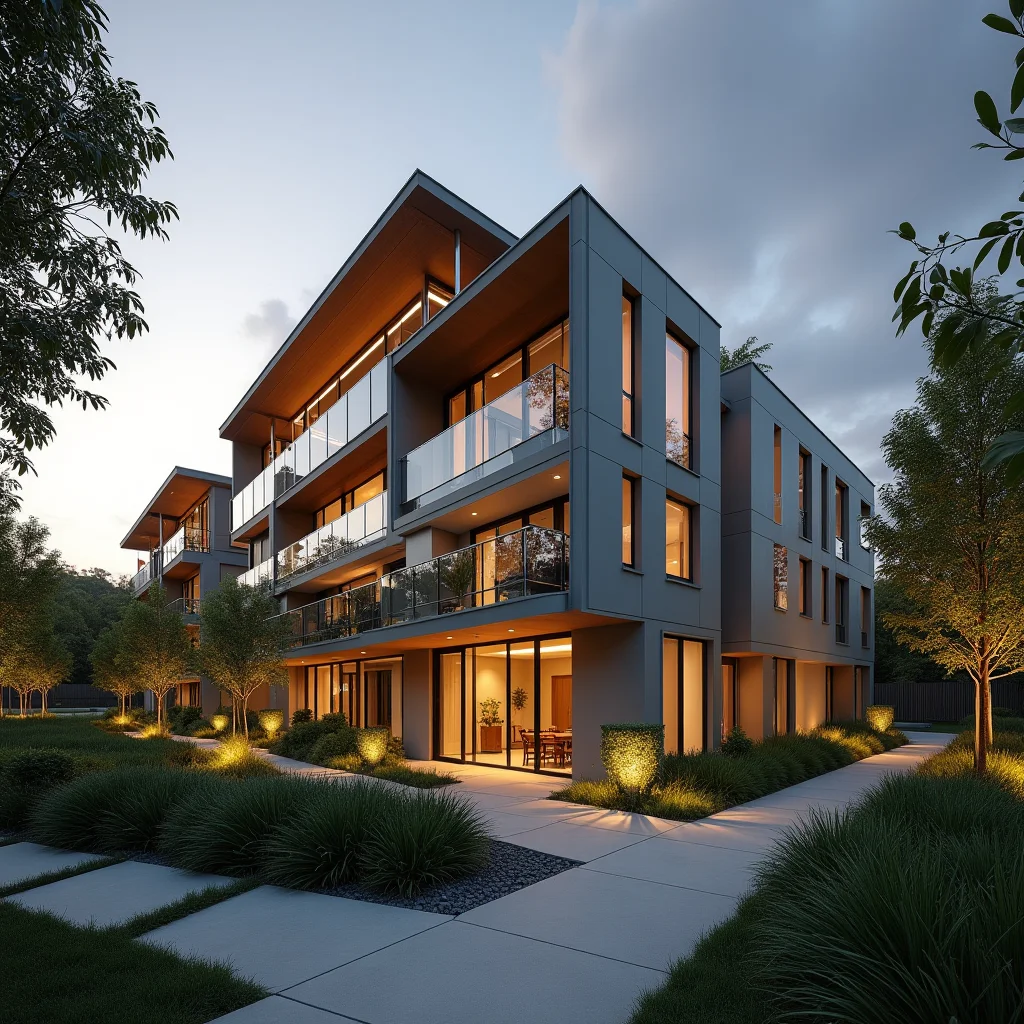
According to REA Group, Fairland's $17.5 million Kidman Park apartment development sold units in less than a month at entry prices from $595,000, with more than a third of apartments already sold. The developer brought forward construction schedules due to strong buyer demand. This rapid clearance reflects investor appetite for new-build projects in the current interest rate environment.
Why New-Build Projects Move Faster Than Resale Properties
The velocity of pre-construction apartment sales reflects a fundamental shift in investor strategy. New-build projects lock in interest rates at contract, offer depreciation benefits through capital-works deductions, and complete settlement typically within 2–3 years. By contrast, resale properties require immediate financing at current market rates and generate immediate holding costs without the same tax advantages available to new-build purchasers.
Fairland's Kidman Park purchasers commit to rates locked at settlement dates 2–3 years forward, insulating them from rate-hike volatility during the holding period. According to REA Group, Australia's major banks have forecasted that the RBA cash rate will rise to 4.60% on September 29, 2026, with some banks predicting further increases to 4.85% by late 2026—levels not seen since the global financial crisis. This rate scenario fundamentally favours new-build investments over resale acquisitions.
Investors holding established resale properties face immediate refinancing risk if rates climb as forecast. Monthly repayments on mortgages will increase substantially with each rate rise. This immediate cost exposure contrasts sharply with the certainty offered by developer pre-sales, where financing structures are locked before settlement occurs.
Depreciation Benefits: The Tax Advantage of New-Build Ownership
Investors holding Fairland units benefit from capital-works depreciation claims under Division 43 of the Income Tax Assessment Act—permitting annual deductions of 2.5% of construction costs for 40 years. An investor purchasing a $600,000 apartment claims $15,000 in annual depreciation deductions, offsetting rental income and reducing tax liability. This represents a meaningful reduction in the investor's effective cost of holding the property across the depreciation period.
Resale property investors cannot claim these benefits retroactively. Depreciation claims apply only from the date of their purchase, not from original construction. This structural tax disadvantage makes resale apartments less attractive to investors focused on holding properties for income generation, particularly when competing against new-build offerings with full depreciation schedules available.
Market Context: Unit Prices Across Australian Cities
REAStats data as of August 5, 2026 shows the competitive landscape for apartment investments across Australia. Brisbane's median unit price stands at $500,000, with a year-on-year growth of 6% and quarterly growth of 2%. Melbourne's median unit price is $700,000, having grown 4.5% year-on-year and 3% quarterly. Sydney's median unit price reaches $900,000, up 5% year-on-year and 2.5% quarterly. Fairland's entry price of $595,000 positions Kidman Park between Brisbane and Melbourne valuations, suggesting competitive positioning for investors seeking exposure to unit appreciation without Sydney-level capital requirements.
The rental yield environment also varies by location. REAStats data shows Brisbane housing yields at 4.2%, Melbourne at 4%, and Sydney at 3.5% as of August 5, 2026. These yields reflect the trade-off between capital growth and income generation—investors in higher-priced markets like Sydney accept lower rental returns in exchange for stronger long-term capital appreciation prospects.
Interest Rate Forecasts Reshape Investor Risk Calculus
The forecasted rise to 4.60% by September 29, 2026 creates urgency for investors to lock in financing terms before further rate increases occur. New-build pre-sales offer this locking mechanism—investors commit capital at contract and secure financing rates that remain fixed through settlement 2–3 years later. Resale purchasers, by contrast, must secure financing immediately at prevailing market rates, which are forecast to rise materially over the next 12 months.
For a $600,000 apartment financed at current rates versus rates forecast for late 2026, the monthly repayment difference could exceed $2,000 depending on loan structure and rate movements. This cost differential creates powerful incentives for investors to move into pre-construction offerings before rate locks become unavailable or less favourable. Fairland's rapid pre-sales reflect this dynamic—investors are locking in certainty ahead of rate forecasts becoming reality.
Settlement Timelines and Capital Deployment Strategy
The 2–3 year settlement timeline for new-build projects also offers strategic advantages. Investors deploying capital into Kidman Park apartments today secure their purchase prices while retaining capital in higher-yield vehicles during the construction period. This capital deployment flexibility contrasts with immediate settlement required in resale transactions, where capital must be deployed at current valuations with no deferral option.
Additionally, by the time Fairland units settle, investors benefit from completed properties with established tenant bases or owner-occupier demand. The construction risk—typically borne by the developer—is transferred away from the investor, who receives a finished asset ready for immediate income generation or capital appreciation.
Market Signals: What Rapid Takeup Indicates
Fairland's decision to bring forward construction schedules due to strong buyer demand signals investor confidence in new-build structures despite economic uncertainty. This velocity in pre-sales suggests that investors are prioritizing certainty—locked rates, depreciation benefits, and defined settlement timelines—over the speculative appeal of resale properties, which require immediate financing at potentially disadvantageous terms.
The contrast between new-build velocity and resale stagnation reflects a rational response to rising interest rate forecasts. Investors navigating a rising rate environment are choosing structured alternatives with defined financing terms and tax benefits over resale acquisitions that demand immediate capital deployment at elevated costs.
For investors considering apartment acquisitions in the current environment, Fairland's Kidman Park performance demonstrates that new-build projects offer meaningful advantages: rate certainty through locked financing at settlement, depreciation deductions over 40 years, and constructed assets with minimal investor-borne development risk. As interest rates continue their forecasted rise, these structural advantages are likely to drive continued investor demand for pre-construction offerings over resale apartments, reshaping how investors allocate capital across the Australian property market.