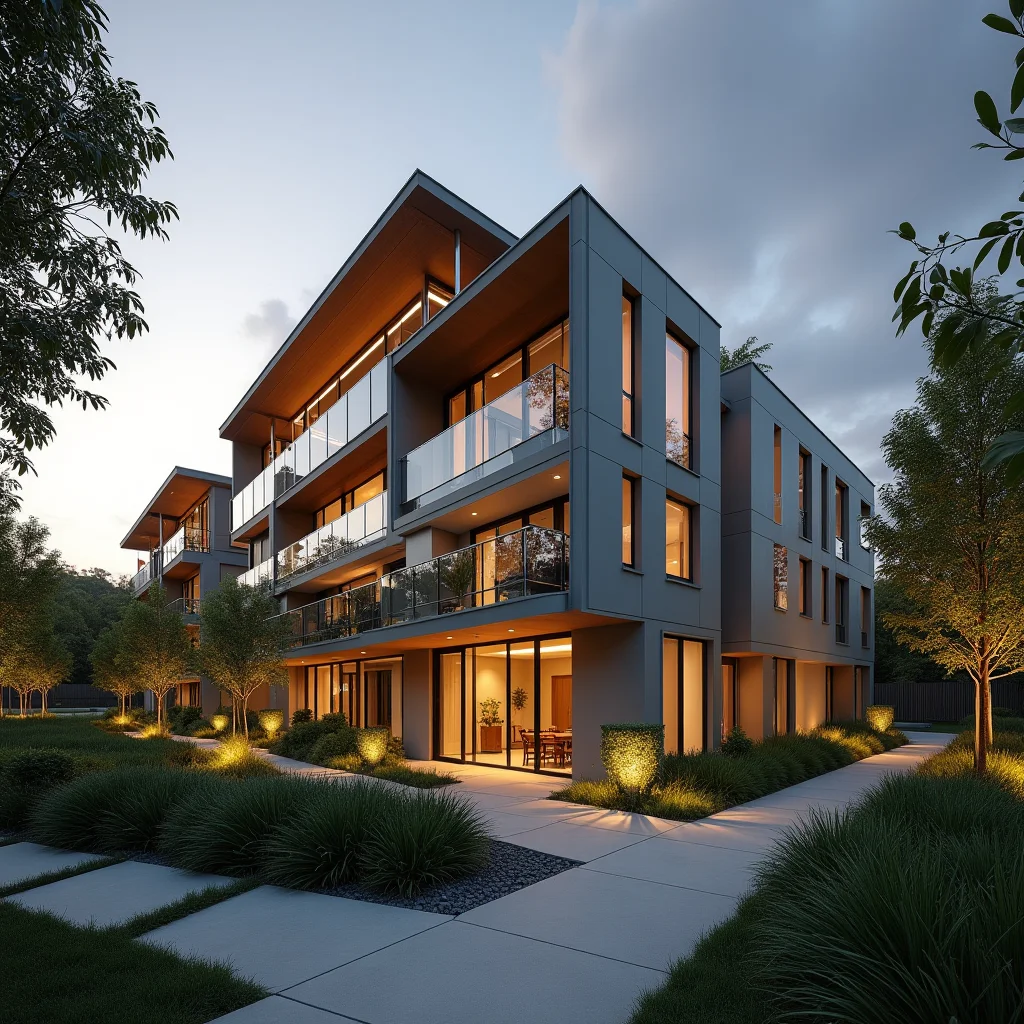
As Australia’s largest capital city property markets show signs of cooling, Queensland's tier 2 lifestyle enclaves are demonstrating remarkable resilience. Latest CoreLogic and PropTrack data confirm a market divergence, with Sydney and Melbourne recording their first quarterly dwelling value declines in approximately 18 months. In contrast, regional centres such as Noosa Heads are not only holding firm but displaying growth, positioning them as compelling destinations for buyers prioritising lifestyle and seeking alternatives to capital city price volatility.
A Market Divergence: Capital City Fatigue vs. Regional Resilience
The latest property market data reveals a clear, multi-speed environment developing across the nation. After a period of resurgent growth, the combined effects of sustained high interest rates and stretched affordability are beginning to weigh on Australia's most expensive markets. Sydney's median house value has retreated from its peak, while Melbourne has also experienced a modest quarterly decline. This slowdown is attributed to reduced borrowing capacity, a direct consequence of the Reserve Bank of Australia's (RBA) series of cash rate hikes, which has brought the official rate to 4.35 per cent. This monetary policy tightening, combined with the Australian Prudential Regulation Authority's (APRA) standing 3 per cent serviceability buffer, has significantly curtailed the maximum loan amount for prospective buyers.
In stark contrast, many regional markets, especially in Queensland, continue to attract strong buyer interest. Data for the Sunshine Coast, which includes the Noosa Shire, indicates a persistent upward trend in property values. While premium Sydney suburbs such as Chatswood carry median house prices well over $2.5 million and Melbourne's Toorak exceeds $3 million, the value proposition in elite regional postcodes remains attractive to high-net-worth buyers and capital city relocators.
Performance Metrics: A Tale of Two Tiers
A comparative analysis of recent market performance underscores this divergence. While quarterly figures can be volatile, the trend indicates a clear loss of momentum in the major southern capitals compared to the stability and growth in key regional hubs.
| Market Indicator | Sydney | Melbourne | Regional QLD | Sunshine Coast (SA4) |
|---|---|---|---|---|
| Quarterly Dwelling Value Change | -0.2% | -0.1% | +1.8% | +2.1% |
| Median House Value | ~$1.42 million | ~$945,000 | ~$630,000 | ~$1.05 million |
| Auction Clearance Rate (Weekly Avg) | ~60-65% | ~58-63% | Lower volume, private treaty dominant | |
Demographic Shifts and Lifestyle Premiums Sustain Regional Demand
The strength observed in coastal markets like Noosa Heads is underpinned by enduring demographic shifts, many of which were catalysed during the pandemic but have since become structural. Australian Bureau of Statistics (ABS) data on internal migration consistently shows Queensland as the primary beneficiary of population flows from New South Wales and Victoria. This trend is no longer solely driven by retirees; it now includes a significant cohort of professionals and families enabled by flexible work arrangements.
This "work from anywhere" capability has fundamentally altered the property landscape, transforming holiday destinations into viable primary residences. The result is sustained demand for high-quality properties in areas with established amenities. The Noosa Heads median house price, now firmly above $2 million, reflects its status as a premier lifestyle destination. While not 'affordable' in absolute terms, it represents a recalibration of value for buyers exiting more expensive capital city markets. The lifestyle dividend—access to pristine beaches, national parks, and a vibrant hospitality scene—is a quantifiable component of the asset's value for this buyer profile.
Infrastructure and Economic Diversification
Beyond its natural amenities, the long-term investment case for the Sunshine Coast and its premier suburbs is bolstered by significant infrastructure investment and a diversifying economic base. This provides a layer of stability that insulates the property market from the volatilities of a purely tourism-driven economy.
- Transport Connectivity: The expansion of the Sunshine Coast Airport to accommodate international flights has been a critical development, enhancing accessibility for both tourism and business.
- Health and Education: The establishment of the Sunshine Coast Health Precinct, anchored by the state-of-the-art Sunshine Coast University Hospital, has created thousands of skilled jobs and established the region as a centre for medical excellence.
- Digital Infrastructure: Investment in high-speed internet and the rollout of the NBN have been crucial enablers for the remote work trend, allowing professionals to relocate without sacrificing career connectivity.
- New Urban Development: The creation of the Maroochydore City Centre is a long-term project designed to become the commercial and administrative heart of the region, further reducing its economic reliance on Brisbane.
This robust economic foundation supports property values and provides investors with confidence in the region's long-term growth prospects, even as national economic conditions become more uncertain.
Investment Outlook and Market Implications
The current cycle presents a nuanced picture for property market participants. For investors, the search for growth is leading them away from the slowing capital city markets. Tier 2 lifestyle regions offer not only capital appreciation potential but also typically stronger rental yields compared to Sydney and Melbourne, providing a more balanced return profile. In Noosa and surrounding areas, tight supply, governed by strict town planning and geographical constraints, acts as a natural handbrake on new development, further supporting long-term value preservation.
For agents and vendors in these markets, the focus has shifted. Transactions are less about pure financial metrics and more about selling a comprehensive lifestyle package. Highlighting a property's proximity to amenities, its capacity to accommodate a home office, and the quality of the local community are now as important as dwelling size and features. Understanding the motivations of the migrating buyer from a capital city is critical to successfully positioning a property in the current market. While the broader Australian property market faces headwinds from affordability constraints, established lifestyle enclaves like Noosa Heads are proving they operate within a distinct and more resilient micro-climate.