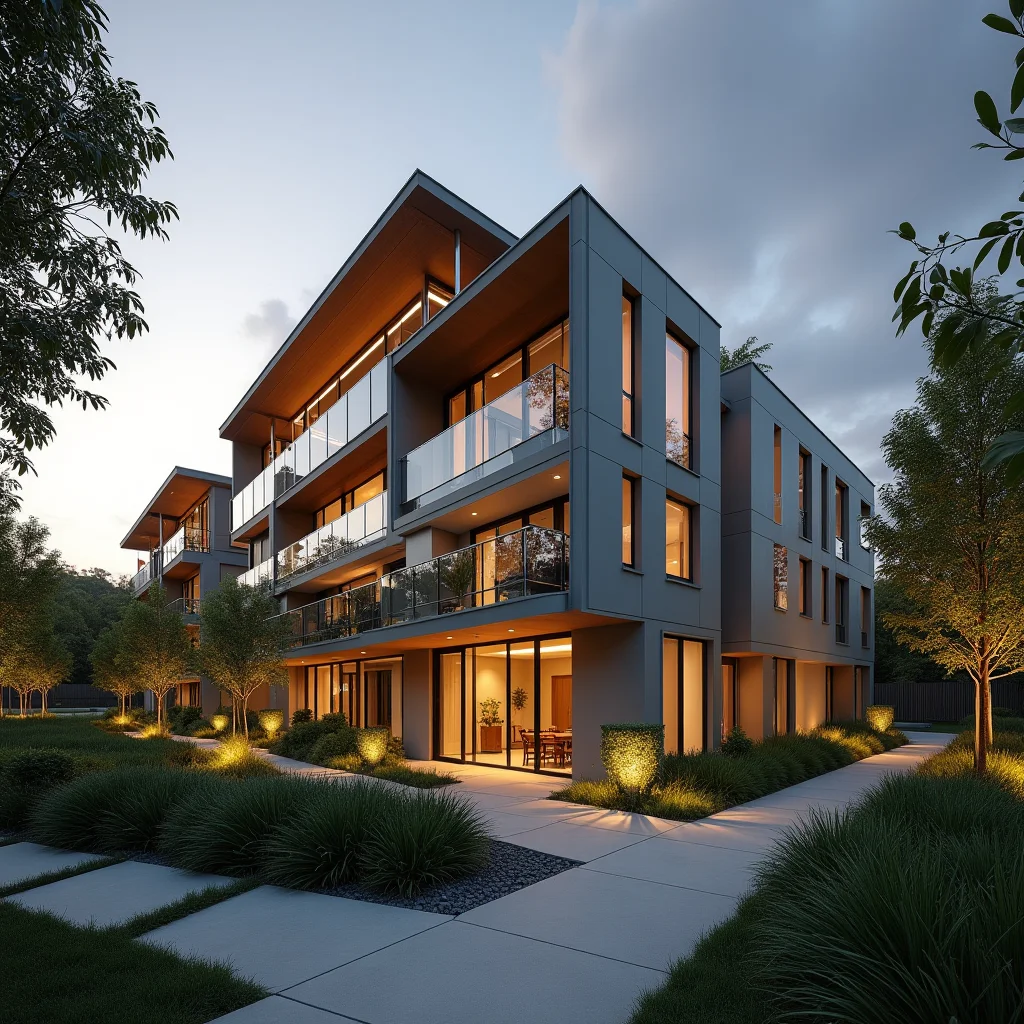
Parap recorded a $620,000 median house price, a 52% auction clearance rate, and properties selling in an average of 42 days — data that collectively positions this Darwin inner-ring suburb as the Northern Territory's closest equivalent to a tier-one prestige market, even as national capital city benchmarks sit at dramatically different price points. With a 5.2% rental yield and 1.2% annual growth, the suburb's investment profile diverges sharply from high-growth eastern seaboard markets, instead offering a yield-income equation that few comparable lifestyle suburbs can match at this price point.
Parap's $620,000 Median in the Context of National Prestige Markets
Placing Parap's $620,000 median against national prestige benchmarks reveals the NT's structural pricing gap with southern capital cities. Toorak in Victoria carries a $2,800,000 median with 4.5% annual growth and a 72% auction clearance rate. Randwick in NSW sits at $2,400,000 with a 73.5% clearance rate. Even South Perth — a high-momentum WA suburb — records a $1,450,000 median with 13.8% annual growth and a 63.5% clearance rate. Against these, Parap's $620,000 entry point represents a fraction of southern prestige suburb pricing, yet the suburb commands distinct local premium characteristics: inner-ring location, established housing stock, and consistent demand from Darwin's professional and government workforce.
The prestige market framing matters precisely because Parap is not competing with Dandenong's $680,000 median or Mandurah's $550,000 entry point — both high-growth, volume-driven markets. Parap's supply is constrained by geography and existing land use, and its buyer pool skews toward owner-occupiers with stable professional incomes rather than speculative investors chasing capital gains. That structural difference in buyer composition explains why the 52% clearance rate, while below most eastern capital city prestige suburb benchmarks, reflects competitive conditions for Darwin rather than weak demand.
How a 52% Clearance Rate Reads in a Low-Volume NT Market
In high-volume auction markets like Randwick (73.5%) or Toorak (72%), clearance rates above 70% signal strong buyer depth and vendor pricing confidence. In Darwin, where total auction volumes are a fraction of Sydney or Melbourne weekly tallies, a 52% clearance rate carries different weight. The Northern Territory's auction market is structurally thinner — fewer registered bidders per property, fewer competing listings, and a buyer pool bounded by the Darwin labour market rather than interstate migration at scale.
According to REA Group, even in deep markets like Sydney's inner west, auction competition can be intensely concentrated — a Petersham station master home sold for $2.311 million on September 19 after a buyer waited two and a half years and competed against a rival who claimed to be out of the race four times. That depth of buyer commitment does not characterise Darwin's market in the same way, but Parap's 52% clearance rate — above the suburb's private treaty pass-in norms — indicates the auction method is gaining traction among local agents as a price-discovery tool for well-presented stock.
The 42-day average time on market further contextualises Parap's position. South Perth clears in 17 days. Toorak in 23. Even Dandenong, a softer Victorian market, moves in 40 days. Parap at 42 days sits at the extended end of a competitive range, suggesting buyers take longer to commit — consistent with a market where due diligence timelines extend due to limited comparable sales data and the additional scrutiny that NT property attracts from southern-based buyers unfamiliar with Darwin's building standards and climate-related maintenance considerations. Buyers committing to Parap property should review pre-purchase documentation carefully; the How to Read a Building Inspection Report guide outlines how to interpret major, minor, and safety defect categories that are particularly relevant in tropical building environments.
Rental Yield at 5.2%: Parap's Income Case Against Eastern City Alternatives
Parap's 5.2% rental yield at a $620,000 median price is the suburb's strongest investment signal in the current rate environment. With the RBA cash rate holding at 4.35%, yield compression has squeezed investor returns across most eastern capital city prestige suburbs. Toorak's yield on a $2,800,000 median is structurally below 2% at typical Darwin rent levels — the capital gain thesis carries the entire investment case. Randwick at $2,400,000 with Sydney's rental vacancy tightening delivers better yields than Melbourne's prestige tier, but still trails Parap's 5.2% by a material margin.
Parap's 5.2% rental yield at a $620,000 median delivers a gross income return that outperforms most eastern capital city prestige suburb equivalents by 2–3 percentage points under the RBA's current 4.35% cash rate — making it one of the few inner-ring suburb markets in Australia where yield alone can justify entry at prevailing mortgage rates.
The yield case is strengthened by Darwin's rental market fundamentals. Government employment, defence sector housing demand, and a constrained rental supply in inner-ring suburbs like Parap have historically supported above-average occupancy rates. For investors evaluating yield-income strategies rather than capital growth plays, Parap offers a rare combination: inner-ring location, professional tenant pool, and gross returns that cover or closely approach debt servicing costs at current rates. For context on how vacancy rates affect yield sustainability in markets like this, the Rental Vacancy Rates Explained guide details how tightening vacancy feeds directly into rental income reliability.
Annual Growth of 1.2%: Capital Appreciation Context for Prestige Market Buyers
Parap's 1.2% annual growth rate is the metric that most clearly separates it from Australia's high-momentum prestige markets in September 2026. South Perth posted 13.8% annual growth on a $1,450,000 median. Nedlands recorded 15% growth at $2,200,000. West End in Queensland grew 8.8% at $1,350,000. Against these, Parap's 1.2% growth signals a market in consolidation rather than expansion — price levels reflecting stable demand without the speculative overlay that characterises WA and QLD prestige suburb performance this cycle.
That consolidation pattern is not unique to Darwin. According to REA Group, Melbourne house prices are tipped to fall further despite Victoria posting its second-highest auction clearance rate in four months — demonstrating that headline clearance rates do not always translate into price appreciation in softer conditions. Parap's 1.2% growth in this context reflects a market holding ground rather than retreating, which for an NT suburb at $620,000 during a national softening phase represents a degree of price resilience. For deeper context on how to assess prestige market performance across state lines, the Australian property market data available through specialist platforms provides state-level breakdowns useful for cross-market comparison.
Buyers entering Parap for capital growth alone face a mismatch between expectations and current data. The suburb's growth profile over this cycle rewards patient, income-focused holders rather than short-term speculators. Vendors who purchased in the 2020–2022 period at lower price points retain healthy equity positions, but the 1.2% growth rate indicates the market is not generating the kind of competition that drives auction premiums above reserve in the way eastern prestige suburbs have this spring.
What Parap's Data Signals for Agents, Buyers, and Vendors
For agents operating in Parap, the 42-day average days on market and 52% clearance rate indicate that private treaty remains the dominant sales method by volume, but auction campaigns are increasingly effective for correctly priced, well-presented properties. The SMH Property report of a Northern Beaches vendor rejecting a higher offer to sell for $4 million — with only one registered bidder at auction — illustrates that vendor strategy at the prestige end often involves non-financial considerations, a dynamic that Parap's limited comparable sales pool amplifies. When transaction volumes are low, individual vendor decisions carry outsized influence on price outcomes.
For buyers, Parap's $620,000 median and 5.2% yield at the RBA's 4.35% cash rate create a defensible entry case on income grounds, provided due diligence accounts for Darwin's specific maintenance cost profile and the longer resale timeline implied by 42-day average days on market. The Cooling-Off Periods in Australia rules differ by territory, and NT-specific contract provisions warrant review before committing to purchase. For vendors, the current data suggests realistic price expectations aligned with the 1.2% annual growth trend will produce faster sales outcomes than aspirational pricing that extends days on market beyond the 42-day current average.