How to Read a Building Inspection Report
Building inspection reports are critical documents in Australian property purchases, costing $400-$800 and categorizing defects into major, minor, and safety issues to help buyers make informed decisions and negotiate terms.
This guide was produced with AI assistance and reviewed for accuracy. Content is for informational purposes only — not financial or legal advice.
Key Takeaways
- •Building inspection reports, costing $400-$800, are critical for Australian property purchases, saving buyers thousands.
- •Reports categorise defects into major, minor, and safety issues to aid informed decision-making and negotiation.
- •Inspectors must be licensed and follow Australian Standards AS 4349.1-2007 for residential properties.
- •The 2-4 hour inspection uses specialised equipment to identify defects in structural elements, roofing, and systems.
- •Reports include detailed descriptions, photos, and recommended actions for each identified defect.
Major Defect
Structural — requires immediate attention and significant cost
Minor Defect
Maintenance items — normal wear and tear
Safety Hazard
Electrical, structural, asbestos — always address immediately
Cost Guide
Major structural work $20,000-$100,000 plus, timber pest $5,000-$30,000
Negotiation Use
Use report to negotiate price reduction or vendor repairs
Walk Away
Termite activity in structural timbers, significant subsidence, rising damp
Overview
A building inspection report represents one of the most critical documents in the Australian property purchase process, providing buyers with an independent professional assessment of a property's structural integrity, safety hazards, and maintenance requirements. These comprehensive reports, typically costing between $400-$800 for residential properties, can save buyers tens of thousands of dollars by identifying defects before settlement. The report serves as both a risk management tool and negotiation leverage, enabling informed decision-making about whether to proceed with a purchase, renegotiate terms, or withdraw from the transaction entirely.
Understanding how to properly interpret a building inspection report is essential for property buyers, investors, and their advisors, as the document's findings directly impact purchase decisions, future maintenance budgets, and property values. The report categorises issues into major defects, minor defects, and safety hazards, each carrying different implications for immediate action and cost. Professional building inspectors must hold appropriate licenses across all states and territories, with qualifications varying from Certificate IV in Building and Construction to full building surveyor credentials depending on jurisdiction.
How It Works
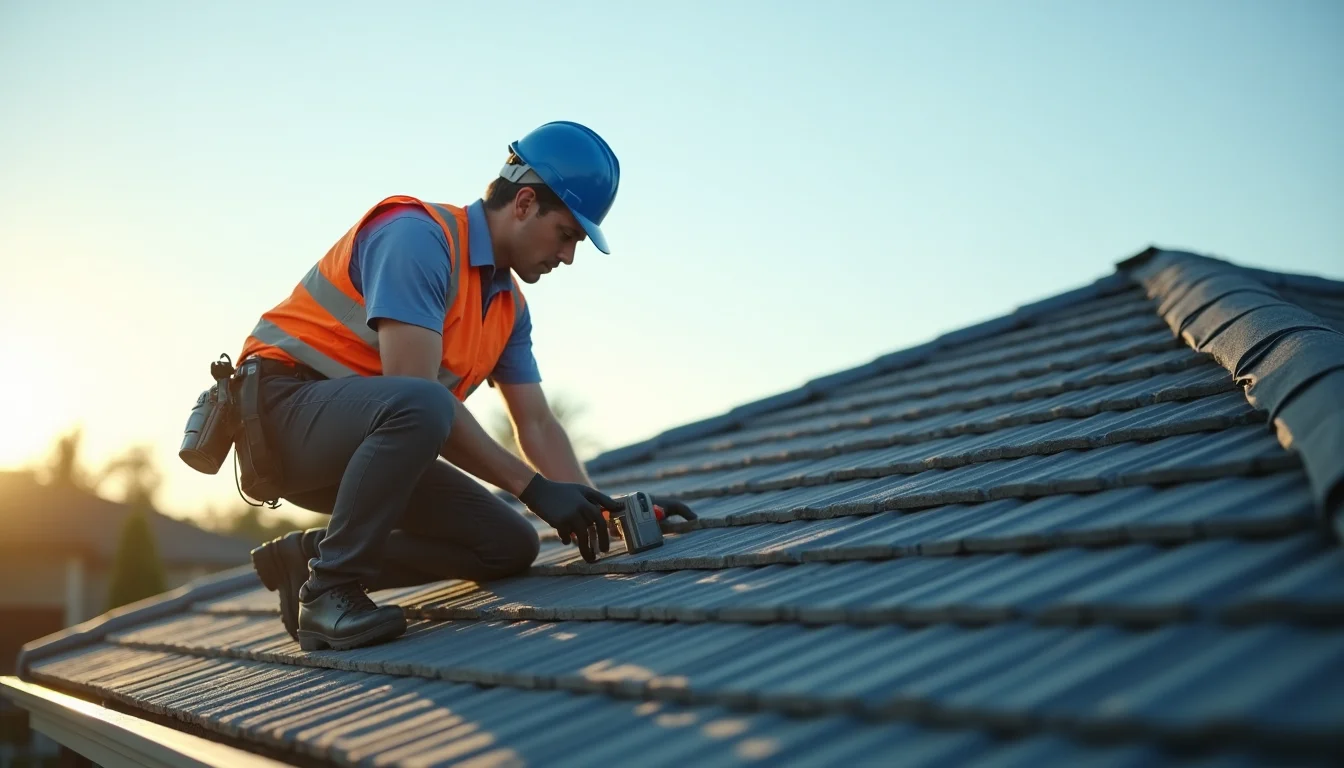
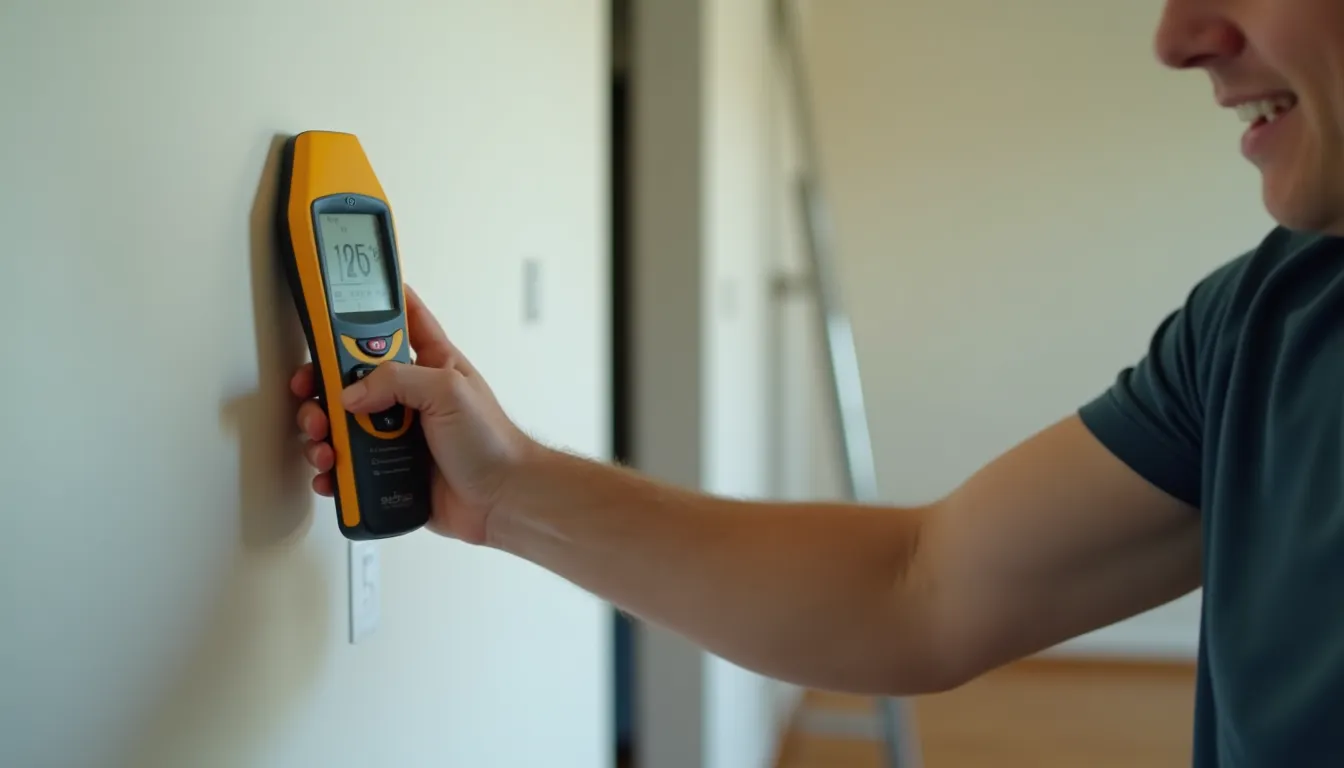
Building inspection reports follow a standardised structure mandated by Australian Standards AS 4349.1-2007 for residential properties, ensuring consistency across inspectors and states. The inspection process typically takes 2-4 hours for an average home, during which the inspector examines visible and accessible areas including structural elements, roofing, plumbing, electrical systems, and building envelope. Inspectors use specialised equipment including moisture meters, thermal imaging cameras, and electrical testing devices to identify issues not visible to the naked eye.
The resulting report categorises findings into three primary classifications: Major Defects requiring immediate professional attention and significant repair costs, Minor Defects representing normal maintenance items, and Safety Hazards demanding urgent action to prevent injury or further damage. Each identified issue includes a detailed description, photographic evidence, location within the property, and recommended action. The report concludes with an executive summary highlighting the most critical findings, though inspectors cannot provide cost estimates or specific repair recommendations beyond suggesting consultation with relevant tradespeople.
Inspection reports legally limit inspector liability and explicitly state what areas were not accessible or examined, making thorough review of exclusions and limitations clauses essential for buyers.
Historical Context
Building inspection services emerged in Australia during the 1980s as property markets matured and consumer protection legislation strengthened. The introduction of the Trade Practices Act 1974 and subsequent state-based fair trading laws created demand for independent property assessments to protect buyers from undisclosed defects. By the 1990s, most Australian states had established licensing requirements for building inspectors, with Queensland leading regulatory reforms following several high-profile construction defect cases.
The standardisation of inspection reports accelerated after 2000, when Standards Australia published AS 4349.1 to establish consistent reporting formats across jurisdictions. This standard was revised in 2007 to address emerging building technologies and materials, particularly following widespread identification of structural issues in properties built during the 1960s-1980s construction boom. The Global Financial Crisis of 2008-2009 further increased inspection utilisation as banks tightened lending criteria and required more comprehensive property assessments for mortgage approvals.
Recent decades have seen inspection technology advance significantly, with thermal imaging becoming standard practice after 2010 and drone inspections for roof assessments gaining acceptance from 2015. The emergence of engineered timber products, modern waterproofing systems, and energy efficiency requirements has expanded inspection scope beyond traditional structural and pest concerns to include building performance and compliance issues.
Current Relevance
Contemporary building inspection reports address increasingly complex building systems and materials, reflecting modern construction practices and regulatory requirements. Current market conditions show inspection utilisation rates exceeding 85% for residential purchases above $500,000, with premium properties often requiring multiple specialist inspections including pool/spa compliance, pest and timber assessments, and electrical safety audits. The average inspection identifies 8-12 minor defects and 1-3 major issues per property, with costs for addressing all identified problems typically ranging from $3,000-$15,000 for minor items and $20,000-$100,000 for major structural work.
Recent trends indicate growing emphasis on building code compliance issues, particularly relating to smoke alarm installation, pool fencing standards, and energy efficiency measures mandated under the National Construction Code. Climate-related risks have gained prominence, with inspectors increasingly identifying flood damage potential, bushfire compliance deficiencies, and extreme weather vulnerability. The rise of apartment living has also expanded inspection complexity, with strata title properties requiring assessment of both individual unit conditions and common area maintenance issues affecting the entire building.
State-specific variations in building standards and inspector licensing mean report formats and regulatory requirements differ significantly between jurisdictions, with Victoria and New South Wales maintaining the most stringent professional standards for building inspectors.
Key Considerations
Understanding Defect Classifications
Major Defects indicate structural problems, safety hazards, or building code violations requiring immediate professional attention and typically costing $20,000-$100,000 to rectify. Minor Defects represent maintenance items or normal wear and tear usually addressable for under $5,000 per item. Safety Hazards demand urgent action regardless of cost and may include asbestos exposure, electrical faults, or structural instability.
Identifying Walk-Away Scenarios
Certain findings should trigger serious consideration of withdrawal from purchase, including active termite infestation in structural timbers, significant foundation subsidence exceeding 25mm differential settlement, rising damp affecting more than 30% of wall area, or widespread structural cracking indicating building movement.
Leveraging Reports for Negotiation
Use inspection findings to negotiate purchase price reductions or require vendor completion of specified repairs before settlement. Documentation of defects provides objective evidence for price adjustments, typically justifying reductions of 1.5-2 times the estimated repair cost to account for buyer inconvenience and risk.
Budgeting for Post-Purchase Works
Plan maintenance budgets based on inspection findings, allocating 1-3% of property value annually for ongoing maintenance of items identified as minor defects. Major defects require immediate capital expenditure, potentially affecting borrowing capacity and settlement timeframes.
Obtaining Specialist Follow-Up Inspections
Arrange detailed assessments from qualified tradespeople for significant issues identified in the general inspection. Structural engineers, pest control specialists, electricians, and plumbers can provide specific repair costs and timeframes for addressing major defects.
Understanding Inspector Limitations
Recognise that inspections cover only visible and accessible areas, with exclusions for areas behind built-in furniture, inside wall cavities, underground services, and roof spaces with restricted access. Review limitation clauses carefully to understand scope boundaries.
Key Takeaways
Building inspection reports provide essential risk assessment for property purchases, but their value depends entirely on buyers' ability to interpret findings correctly and act decisively on critical issues. The distinction between major defects requiring immediate significant investment and minor maintenance items affects both purchase decisions and ongoing ownership costs. Successful property buyers use inspection reports as negotiation tools while maintaining realistic expectations about property condition and required maintenance investments.
The most effective approach to building inspection reports involves obtaining the inspection early in the due diligence period, engaging specialist consultants for significant issues, and maintaining clear decision criteria for proceeding with or withdrawing from purchases. Understanding inspector limitations and exclusions prevents unrealistic expectations, while proper interpretation of defect classifications enables informed financial planning for both immediate repairs and ongoing maintenance requirements.
Frequently Asked Questions
What is a building inspection report and why is it important for Australian property buyers?+
A building inspection report is a professional assessment of a property's structural integrity, safety, and maintenance needs. It's crucial for Australian buyers as it identifies defects before purchase, potentially saving thousands in repairs, and provides leverage for negotiations or making an informed decision to withdraw from a sale.
How much does a building inspection report typically cost in Australia?+
For residential properties in Australia, the cost of a building inspection report typically ranges between $400 and $800. This investment helps mitigate financial risks by uncovering potential issues that could be far more expensive to rectify after settlement, such as major structural defects or safety hazards.
What types of issues are usually identified and categorised in an Australian building inspection report?+
Australian building inspection reports categorise issues into three main types: major defects (e.g., structural problems), minor defects (e.g., cosmetic damage, general wear and tear), and safety hazards (e.g., exposed wiring, asbestos). This classification helps buyers understand the severity and urgency of identified problems.
Do Australian building inspectors need to be licensed or qualified?+
Yes, professional building inspectors in Australia must hold appropriate licenses and qualifications, which vary by state and territory. Qualifications can range from a Certificate IV in Building and Construction to full building surveyor credentials, ensuring they meet professional standards for conducting thorough assessments.
How long does a typical building inspection take and what areas are covered?+
A standard building inspection for an average Australian home typically takes 2-4 hours. Inspectors examine visible and accessible areas including structural elements, roofing, plumbing, electrical systems, and the building envelope. They also use specialised equipment to detect issues not visible to the naked eye.
Recommended Reading

As an Amazon Associate REAStats earns from qualifying purchases.
Recommended Reading
As an Amazon Associate REAStats earns from qualifying purchases.
Related Guides
Property Inspection Tools — What Every Australian Buyer Should Have Before Settlement
Property Due Diligence Checklist

Understanding the Contract of Sale

What is a Buyer's Agent and Do You Need One?
Free Agent Evaluation Toolkit
10-point checklist, commission calculator, red flags and questions to ask before signing.