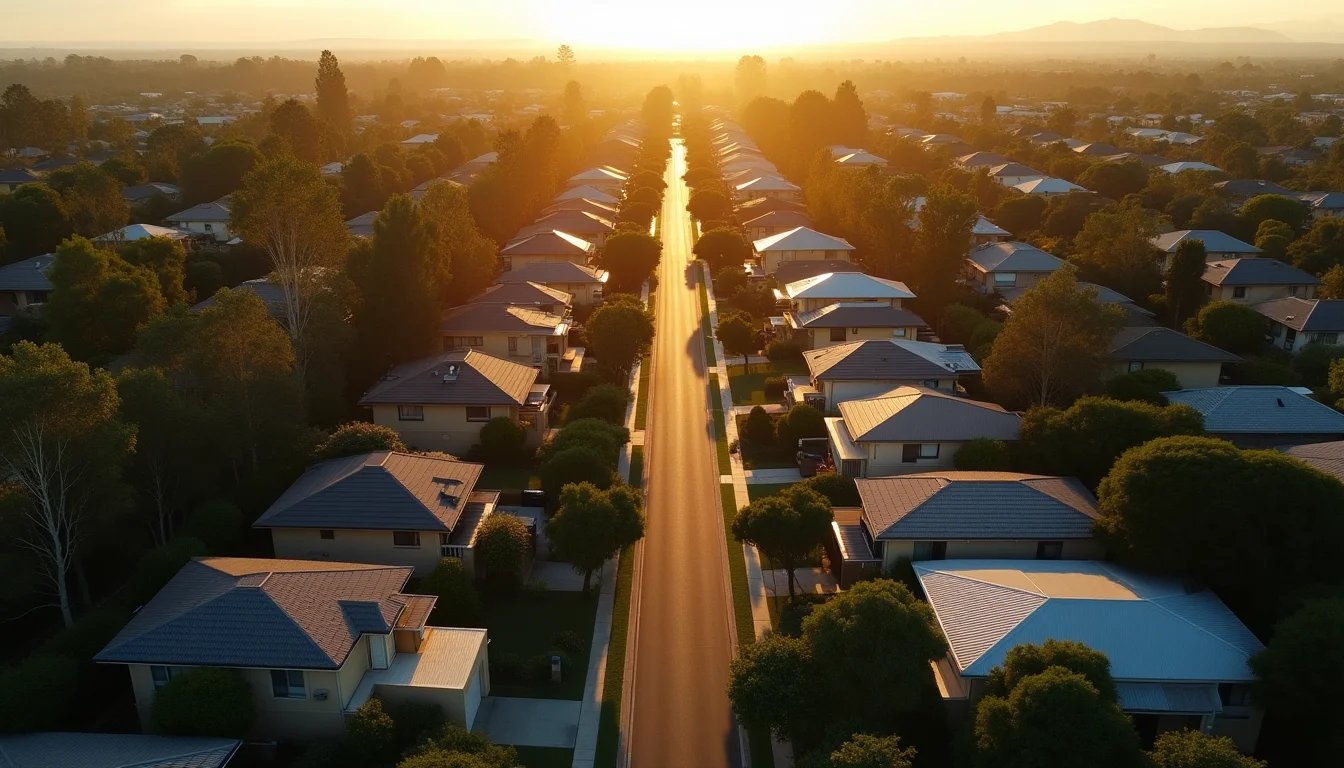
In a property market shaped by fluctuating interest rates and shifting buyer sentiment, analysis reveals that Sydney’s Bondi Beach delivers the fastest property turnover in Australia. With a median of just 20 days on market, it spearheads a trend where premium coastal and established inner-city locations act as the primary engines of sales volume for real estate agents. This performance starkly contrasts with mid-tier and entry-level markets, where extended sales cycles reflect greater affordability pressures and buyer caution. The data underscores a bifurcated market, where properties in the top quintile are less susceptible to the broader economic headwinds impacting the majority of transactions.
Premium Tier Suburbs Dominate Sales Velocity Rankings
A distinct correlation between property price points and sales velocity is evident across the national landscape. Suburbs commanding median house prices above the $2 million threshold are consistently achieving the most rapid turnover rates. This performance is not merely a function of price but of sustained demand from a cohort of buyers less leveraged and therefore less sensitive to the monetary policy adjustments made by the Reserve Bank of Australia (RBA). These prestige markets are characterised by high desirability, scarcity of available stock, and strong buyer competition.
The ultra-premium segment is led by suburbs like Sydney's Mosman, which registers a median price of $4.2 million and a swift 22 days on market. It is closely followed by Bondi Beach, where a $3.1 million median is coupled with the nation's fastest turnover at 20 days. In Melbourne, Toorak maintains its prestige status with a $2.8 million median and a 23-day median sales period. Further analysis of Sydney's Paddington and Melbourne's Brighton, both with sub-25-day medians, reinforces this pattern.
Key Performance Metrics: Premium Suburbs
| Suburb | State | Median Price | Median Days on Market | Auction Clearance Rate |
|---|---|---|---|---|
| Bondi Beach | NSW | $3.1 million | 20 | 74.2% |
| Mosman | NSW | $4.2 million | 22 | 72.0% |
| Toorak | VIC | $2.8 million | 23 | 72.5% |
| Paddington | NSW | $2.9 million | 24 | 68.0% |
| Brighton | VIC | $3.0 million | 25 | 66.4% |
The auction clearance rates in these locations, ranging from 66% to over 74%, are significantly above the capital city weighted averages reported by data providers like CoreLogic and PropTrack, which have hovered in the low-to-mid 60% range. This potent combination of high-value transactions and rapid turnover creates optimal conditions for real estate professionals to maximise commission volume within compressed timeframes, enhancing productivity and revenue potential.
Mid-Tier Markets Confront Buyer Price Sensitivity
In contrast, suburbs within the $1.2 million to $1.6 million price bracket exhibit markedly longer sales cycles. Properties in these areas typically require 27 to 30 days, and sometimes longer, to sell. This segment is heavily populated by aspirational buyers and upgrading families who are more reliant on financing. Consequently, their borrowing capacity is more directly impacted by APRA's lending regulations and the RBA's cash rate decisions. Price sensitivity is a dominant factor, with buyers undertaking more rigorous due diligence and engaging in more protracted negotiations.
Rhodes in Sydney, for instance, despite recording solid annual price growth of 4.3%, requires a median of 27 days to secure a sale. In Melbourne, both Box Hill and Collingwood, key hubs of activity, average 30 days on market. This extended timeline indicates that while demand exists, vendor price expectations and buyer capacity are often misaligned, leading to longer periods of listing and negotiation.
"The data shows premium suburbs averaging 22 days on market generate 36% faster sales velocity compared to mid-tier locations averaging 30 days, directly translating to higher agent throughput capacity."
Epping in Sydney's north-west presents an interesting case within this tier. With a median price of $1.58 million and annual growth of 4.6%, its 28-day median on market is slightly longer than expected given its firm 68.5% clearance rate. This suggests strong underlying demand, likely driven by its reputable school catchments and transport infrastructure. However, the extended timeline reflects the affordability ceiling being reached by many prospective buyers in this upper-middle market segment.
Entry-Level Suburbs Exhibit Greatest Sales Resistance
The market segment most exposed to affordability constraints is the entry-level, typically encompassing properties below the $1 million mark. Represented here by Reservoir in Melbourne, with a median price of $880,000, this tier records the longest sales cycle at a median of 32 days on market and the lowest clearance rate at 62%. This reflects the challenging conditions faced by first-home buyers and budget-conscious investors.
The factors contributing to this sales resistance are multifaceted and include:
- Financing Hurdles: Buyers in this segment are often at the limit of their borrowing capacity, making them highly susceptible to delays or denials during the mortgage application process.
- Conditional Offers: A higher proportion of offers are subject to finance clauses and satisfactory building and pest inspections, which can extend the transaction timeline.
- Buyer Competition and Caution: While competition exists, buyers are extremely price-conscious, leading to more conservative offers and a greater likelihood of properties passing in at auction.
A 32-day median sales cycle in Reservoir is 60% longer than the 20-day cycle in Bondi Beach. This disparity significantly impacts agent productivity metrics and cash flow. Lower clearance rates also point to a higher incidence of vendors needing to adjust their price expectations post-auction, or properties being re-listed, further stretching the total time required to achieve a sale.
State-Based Performance Reveals Divergent Market Dynamics
Geographic analysis highlights distinct performance variations between the major capital city markets. Across comparable price points, NSW suburbs tend to demonstrate marginally superior sales velocity. For example, Sydney's Chatswood, with a $2.2 million median, achieves a 28-day median time on market. Its Victorian equivalent, Camberwell ($2.25 million median), requires 23 days for a sale but benefits from a stronger local auction culture, evidenced by a higher 71.5% clearance rate.
Established inner-Melbourne suburbs like Hawthorn and Kew also exhibit robust market dynamics, both achieving 24-day median sales cycles with clearance rates consistently above 70%. This indicates powerful and resilient local demand. However, the data confirms that the premium Sydney coastal and harbourside locations, particularly Bondi Beach and Mosman, maintain their national leadership for sales velocity. This firmly establishes these markets as prime territory for agents prioritising transaction throughput and volume-based commission strategies over a lower volume, higher-touch approach.
Strategic Implications of Market Velocity Differentials
The divergent performance across price tiers signals that the Australian property market is operating as a collection of distinct micro-markets rather than a single, homogenous entity. The resilience of the premium segment, driven by cash-heavy buyers and wealth effects, provides a buffer against the broader economic cycle. Conversely, the mainstream and entry-level markets serve as a more accurate barometer of the impact of monetary policy on household budgets.
For real estate agencies and practitioners, this data has profound strategic implications. An agent operating in a premium suburb with a median price above $2.5 million can anticipate transaction cycles that are approximately 40% faster than those in entry-level markets. This velocity advantage, when combined with higher average commission per sale, positions premium market specialists for substantially superior annual revenue generation. An agent in Bondi Beach could theoretically facilitate over 18 sales cycles per year (365 days / 20), whereas an agent in Reservoir would complete closer to 11 cycles (365 / 32). This fundamental difference in operational tempo and earning potential is a defining feature of the current property landscape.