Queensland's Market Divergence Intensifies
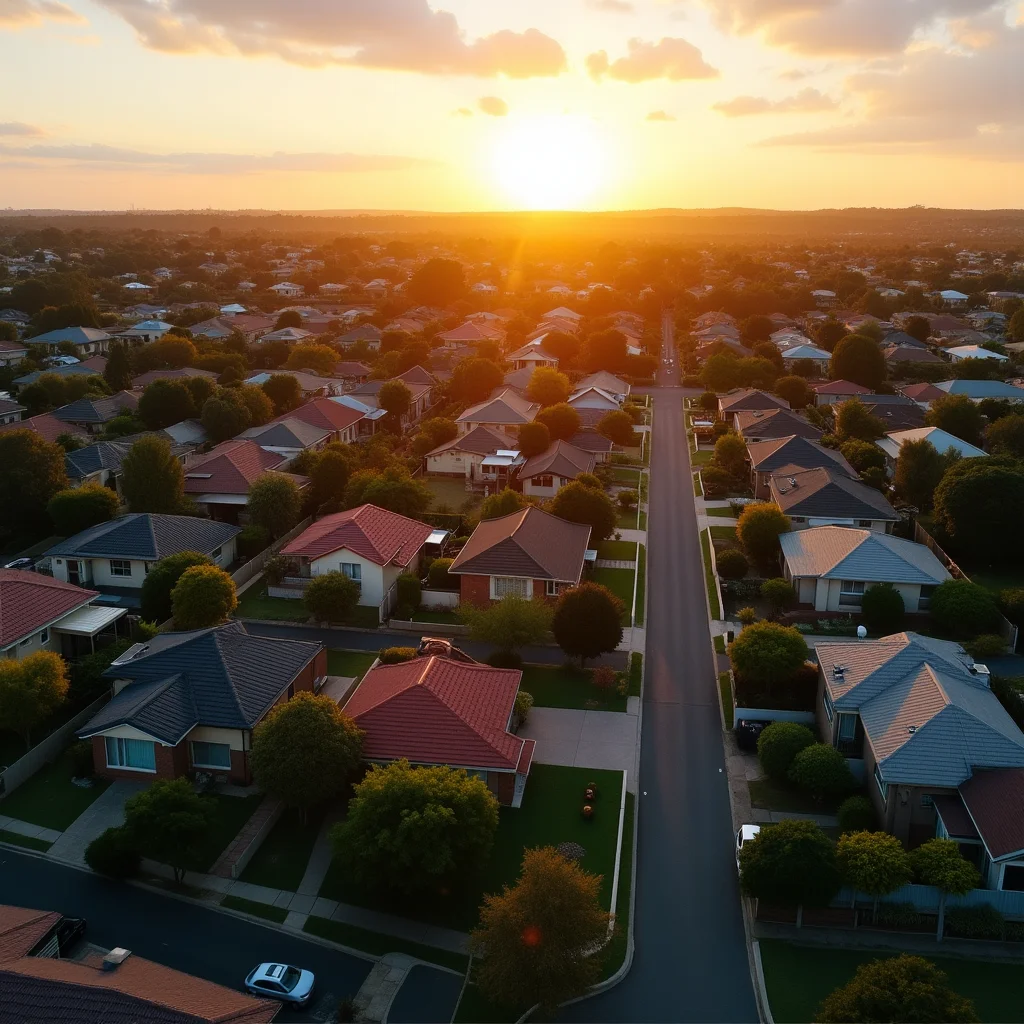
Data from Australia's property markets reveals a significant divergence, with Queensland suburbs demonstrating a level of performance that starkly outpaces southern capitals. The Brisbane suburb of New Farm encapsulates this trend, achieving a potent combination of 7.3% annual growth and the nation's fastest sales cycle, with properties averaging just 18 days on market. This dual metric of rapid price appreciation and high transactional velocity points to a market defined by intense buyer demand and limited supply, positioning Queensland as a standout performer in an otherwise moderating national landscape.
New Farm: A Microcosm of Brisbane's Prestige Boom
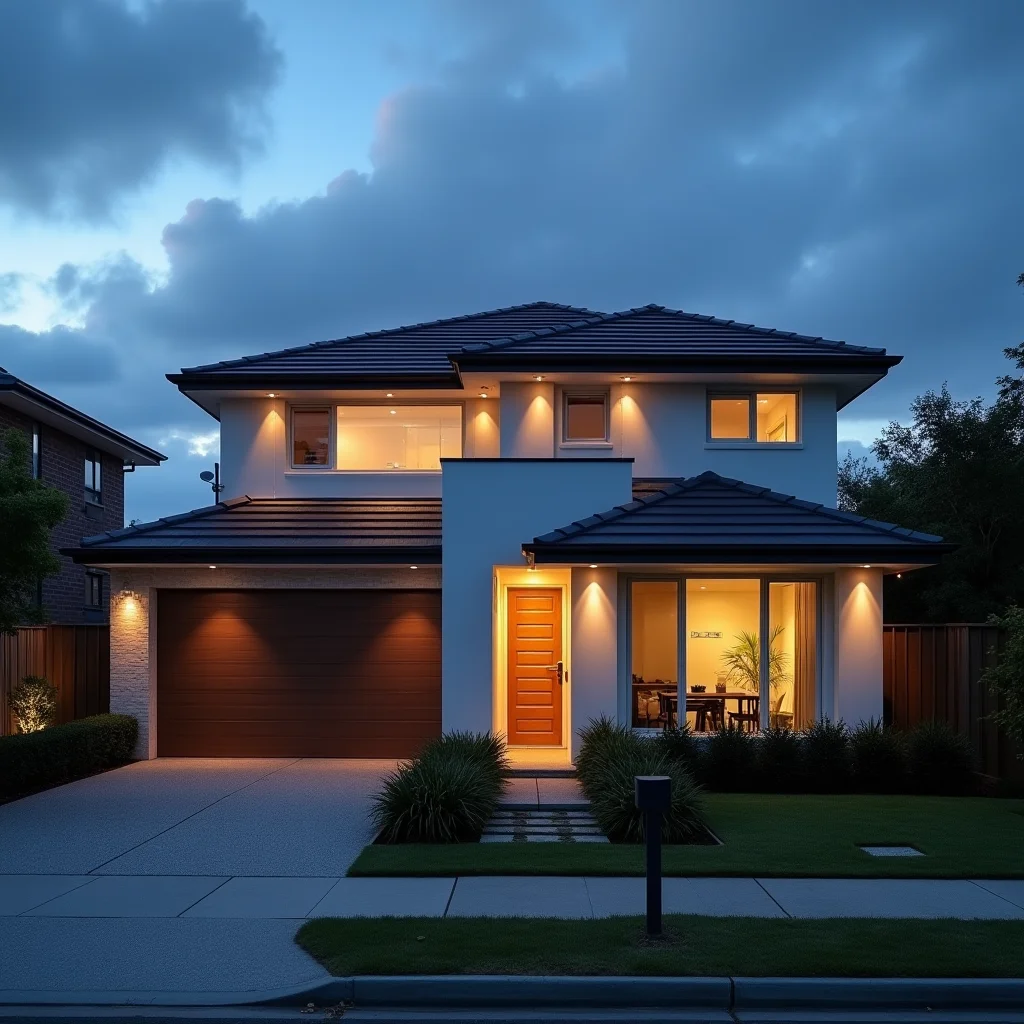
The performance of New Farm offers a detailed case study in the dynamics fuelling Queensland's property engine. With a median price of $1.9 million, the suburb is firmly in the premium category, yet it continues to attract a depth of buyers sufficient to drive both prices and transaction speeds upward. The 18-day average for days on market is exceptionally low, indicating that properties are often sold within the first few weeks of a standard four-week marketing campaign. This suggests a prevalence of off-market deals or properties selling prior to auction, driven by buyers willing to pay a premium to secure a foothold in the tightly held enclave.
Furthermore, the suburb's auction clearance rate of 61.2% is robust, particularly for the Queensland market which traditionally favours private treaty sales. This figure, exceeding those of most local competitors, signals strong buyer commitment and a willingness to compete in a transparent, public forum. It implies that prospective purchasers are arriving with finance pre-approved and a clear mandate to buy, reducing negotiation friction and accelerating the sales process. The combination of high growth, a lofty median price, and rapid sales is indicative of a market dominated by well-capitalised owner-occupiers and investors chasing the lifestyle amenities and proximity to the CBD that New Farm offers.
Coastal and Inner-Ring Markets Drive State's Outperformance
The growth narrative extends beyond a single Brisbane suburb, with a clear pattern emerging across Queensland's premium coastal and inner-city markets. Surfers Paradise leads the pack with a formidable 9.2% annual growth, reflecting a revitalised investor and lifestyle interest in the Gold Coast's high-density apartment market. Following closely is Noosa Heads on the Sunshine Coast, which recorded an 8.1% growth rate despite a slightly longer sales cycle of 24 days. This marginal extension in selling time is common in ultra-premium holiday destinations, where the buyer pool is national or international and due diligence on unique, high-value assets can be more protracted.
Back in Brisbane, the 'old money' suburb of Ascot mirrors New Farm's success, delivering a strong 6.8% annual growth with a similarly swift 21 days on market. The parallel performance of these two blue-chip Brisbane suburbs highlights the concentrated nature of current demand, which is heavily skewed towards established, high-amenity locations. This collective strength across different geographic and property types—from Brisbane's riverfront to the Gold Coast's beachfront—cements the state's status as a growth leader.
The Widening North-South Property Divide
Queensland's market strength is thrown into sharper relief when contrasted with the performance of southern states. The data indicates a significant lag in Victoria, where comparable suburbs are struggling to achieve growth rates above 4%. Many Victorian suburbs are reporting growth between 2.5% and 3.5%, coupled with significantly longer selling periods. This suggests that the impact of monetary policy tightening, with the RBA cash rate at 4.10%, is having a more pronounced dampening effect on buyer sentiment and borrowing capacity in Melbourne and its surrounds.
This performance contrast indicates that macroeconomic headwinds are not being felt uniformly across the nation. The tailwinds of interstate migration, relative affordability on a national scale, and a strong lifestyle focus appear to be providing the Queensland market with a powerful buffer.
The weakness is even more apparent in Tasmania, where the prestige suburb of Battery Point in Hobart required an average of 35 days on market to achieve a modest 3.7% growth. This sluggishness, both in price movement and transaction time, points to a market that has cooled considerably after its post-pandemic boom. The continued outperformance of Queensland markets suggests that demographic shifts and enduring lifestyle preferences are potent economic drivers, powerful enough to reshape traditional Australian property hierarchies and defy national averaging trends.
What to Watch
Moving forward, several key indicators will determine if Queensland can sustain its market momentum. Firstly, interstate migration data from the ABS will be critical; a continuation of strong population flows from NSW and Victoria is essential to maintaining current demand pressure. Secondly, inventory levels will be a primary focus. A significant increase in new listings could begin to satiate buyer demand and lead to a moderation in the pace of price growth. Thirdly, the market will be tested on its depth. Observers will be watching to see if the growth currently concentrated in premium suburbs begins to cascade into middle and outer-ring suburbs. Finally, any future movements in the official cash rate by the RBA will provide the ultimate test of resilience for a market that has, thus far, charted its own impressive course.