
Technology for Property Investors — Managing Your Portfolio Remotely
Essential technology tools for Australian property investors — from document scanning and cloud storage to property management software and backup strategies.
This guide was produced with AI assistance and reviewed for accuracy. Content is for informational purposes only — not financial or legal advice.
Key Takeaways
- •Technology can cut property administration from 5-10 hours to 1-2 hours monthly, freeing up your time.
- •Organise your property documents early to avoid retroactively managing years of accumulated records.
- •Use a Fujitsu ScanSnap iX1600 to quickly scan 50-100 property documents into searchable PDFs.
- •Store all property documents in cloud storage like Dropbox or Google Drive for easy access and robust backup.
- •Implement a consistent cloud folder structure, such as 'Property Address → Purchase Documents', for efficient organisation.
- •Prioritise PDF over photos for documents, enabling universal readability and critical text-searching capabilities.
Document Volume
Average property purchase generates 50-100 documents
Cloud Storage
Essential for accessing lease agreements and inspection reports from anywhere
Tax Records
ATO requires 5 years of investment property records
Property Management Software
Reduces landlord admin by 3-5 hours per week per property
Remote Inspections
Video call inspections now accepted by most agencies for remote investors
Digital Signatures
E-signatures are legally valid for lease agreements in all Australian states
Overview — The Administrative Burden of Property Investment
Property investment in Australia is often portrayed as a passive wealth-building strategy, but the reality involves significant ongoing administration. An investor with three properties who isn't well-organised can easily spend 5-10 hours per month on paperwork, tenant communication, maintenance coordination, and tax record keeping. The right technology tools reduce this to 1-2 hours, freeing you to focus on strategy rather than administration.
Getting organised early — ideally before settling on your first investment property — saves exponentially more time than trying to retroactively organise years of accumulated documents and records. This guide covers the essential technology stack for Australian property investors who want to run an efficient, paperless operation.
Document Management — Taming the Paper Mountain
The average Australian property purchase generates 50-100 documents: contracts of sale, Section 32 vendor statements, building and pest inspection reports, loan documents, insurance policies, and settlement statements. Once tenanted, you add lease agreements, entry condition reports, routine inspection reports, maintenance invoices, and annual depreciation schedules. Multiply this across multiple properties and several years, and you're dealing with hundreds of critical documents.
Scanning: The Foundation
The Fujitsu ScanSnap iX1600 is the gold standard for home document scanning. It scans both sides of a page simultaneously, handles stacks of documents automatically, and produces searchable PDFs. For property investors, the ability to scan an entire building inspection report (often 30-50 pages) in under two minutes is transformative.
Why PDF over photos? Photos of documents are often skewed, poorly lit, and unsearchable. PDFs maintain formatting, are universally readable, and — critically — can be text-searched when you need to find a specific clause in a lease agreement or a defect noted in an inspection report three years ago.
Cloud Storage Organisation
Store all property documents in cloud storage (Dropbox, Google Drive, or similar services) using a consistent folder structure:
- Property Address → Purchase Documents (contract, settlement, stamp duty receipts)
- Property Address → Insurance (landlord insurance, building insurance)
- Property Address → Tenancy (lease agreements, condition reports, bond lodgement)
- Property Address → Maintenance (invoices, quotes, warranty documents)
- Property Address → Tax (depreciation schedules, expense receipts, income statements)
- Property Address → Inspections (building reports, pest reports, routine inspections)
Name files consistently: YYYY-MM-DD_DocumentType_PropertyAddress. This makes documents sortable by date and instantly identifiable. For more on the due diligence documents you'll need to manage, see our due diligence checklist.
Physical Organisation — When Paper Still Makes Sense
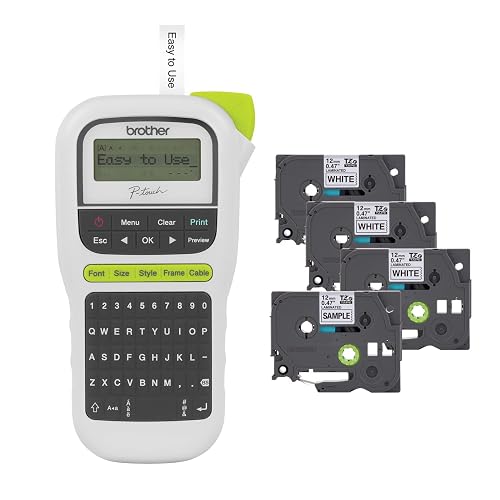
Despite the shift to digital, some physical filing remains practical — particularly for original signed documents, keys, and quick-reference materials. The Brother P-touch Label Maker creates durable, professional labels for property folders, key tags, and storage boxes. Label every key set with the property address and a code (not the full address for security), and every physical folder with the property name and document category.
A hybrid system works best: original documents in labelled physical folders, with scanned copies in cloud storage. This provides redundancy and ensures you can access critical documents even without internet access.
Backup and Security — Protecting Your Records
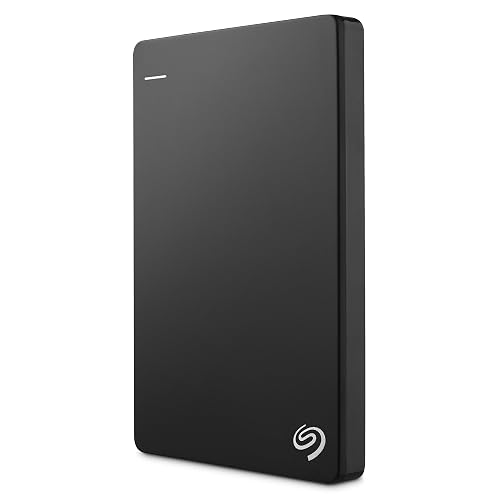
Property documents are irreplaceable. Losing your depreciation schedule alone could cost thousands in unclaimed tax deductions. The Seagate 2TB Portable External Hard Drive provides affordable local backup for your entire property document library.
Follow the 3-2-1 backup rule:
- 3 copies of every important document
- 2 different media types (e.g., cloud storage and external hard drive)
- 1 offsite copy (cloud storage fulfils this requirement)
For sensitive financial documents — loan applications, tax returns, bank statements — consider using encrypted storage. Most external drives support hardware encryption, and cloud services offer encrypted folders.
Property Management Software
Self-managing landlords can benefit enormously from dedicated property management software. These tools handle tenant communication, rent tracking, maintenance request logging, inspection scheduling, and financial reporting. Australian options include PropertyMe, Managed, and Console Cloud — each offering different feature sets and pricing tiers for self-managing investors. These platforms can reduce landlord administration by 3-5 hours per week per property.
Key features to look for include automated rent reminders, maintenance request portals for tenants, inspection scheduling with photo documentation, and end-of-year financial summaries for tax purposes.
Communication and Remote Management
Video call inspections are now accepted by most property management agencies for interstate or overseas investors. Services like Zoom and FaceTime allow you to participate in routine inspections remotely, reviewing the property condition in real time with your property manager.
Electronic signatures via services such as DocuSign are legally valid for lease agreements in all Australian states, eliminating the need to post physical documents for signing. This is particularly valuable for investors who live in a different city or state from their investment properties.
Tax and Accounting
The ATO requires five years of investment property records. Tracking income and expenses contemporaneously — as they occur — is vastly easier than reconstructing records at tax time. Use a dedicated spreadsheet or accounting tool to log every rental payment received and every expense incurred, with corresponding receipt scans.
A tax agent who specialises in property investors is a worthwhile annual cost ($300-800). They'll ensure you're claiming every legitimate deduction — depreciation, interest, insurance, management fees, repairs, and travel to inspect properties — while maintaining ATO compliance.
Key Takeaways
- The right technology setup pays for itself in the first year through time savings and better-organised tax records.
- Scan every document immediately upon receipt — the Fujitsu ScanSnap iX1600 handles this efficiently.
- Use consistent cloud folder structures and file naming across all properties.
- Follow the 3-2-1 backup rule to protect irreplaceable property documents.
- Consider property management software if self-managing — the time savings are substantial.
- Keep tax records contemporaneously and engage a property-specialist tax agent.
For a broader perspective on property investment strategy, see our property vs investments analysis.
For historical analysis of Australian and global property bubbles, see Bubblepedia’s Australian Property Bubble analysis and the Japan Asset Bubble 1986–1991 as a historical comparison case.
Frequently Asked Questions
What are the key benefits of using technology for property investors in Australia?+
Technology helps Australian property investors significantly reduce the administrative burden of managing their portfolio. By streamlining tasks like document management, tenant communication, and record-keeping, investors can save 5-10 hours per month, allowing them to focus more on strategic investment decisions rather than endless paperwork.
What type of documents should Australian property investors digitise?+
Investors should digitise all critical documents, including contracts of sale, Section 32 statements, building and pest reports, loan documents, insurance policies, settlement statements, lease agreements, inspection reports, maintenance invoices, and depreciation schedules. This creates a comprehensive, easily searchable digital record.
Why is scanning documents to PDF better than just taking photos for property records?+
PDFs maintain document formatting, are universally readable, and are critically important, they are text-searchable. This means you can quickly find specific clauses or information within lengthy documents like lease agreements or inspection reports, which is nearly impossible with simple photos due to skewed images and poor lighting.
When is the best time for a property investor to start organising their digital documents and records?+
It is best to start getting organised early, ideally before settling on your very first investment property. Retroactively organising years of accumulated documents and records is far more time-consuming and challenging. Proactive organisation saves exponential amounts of time and stress in the long run.
Recommended

As an Amazon Associate REAStats earns from qualifying purchases.
Recommended
As an Amazon Associate REAStats earns from qualifying purchases.