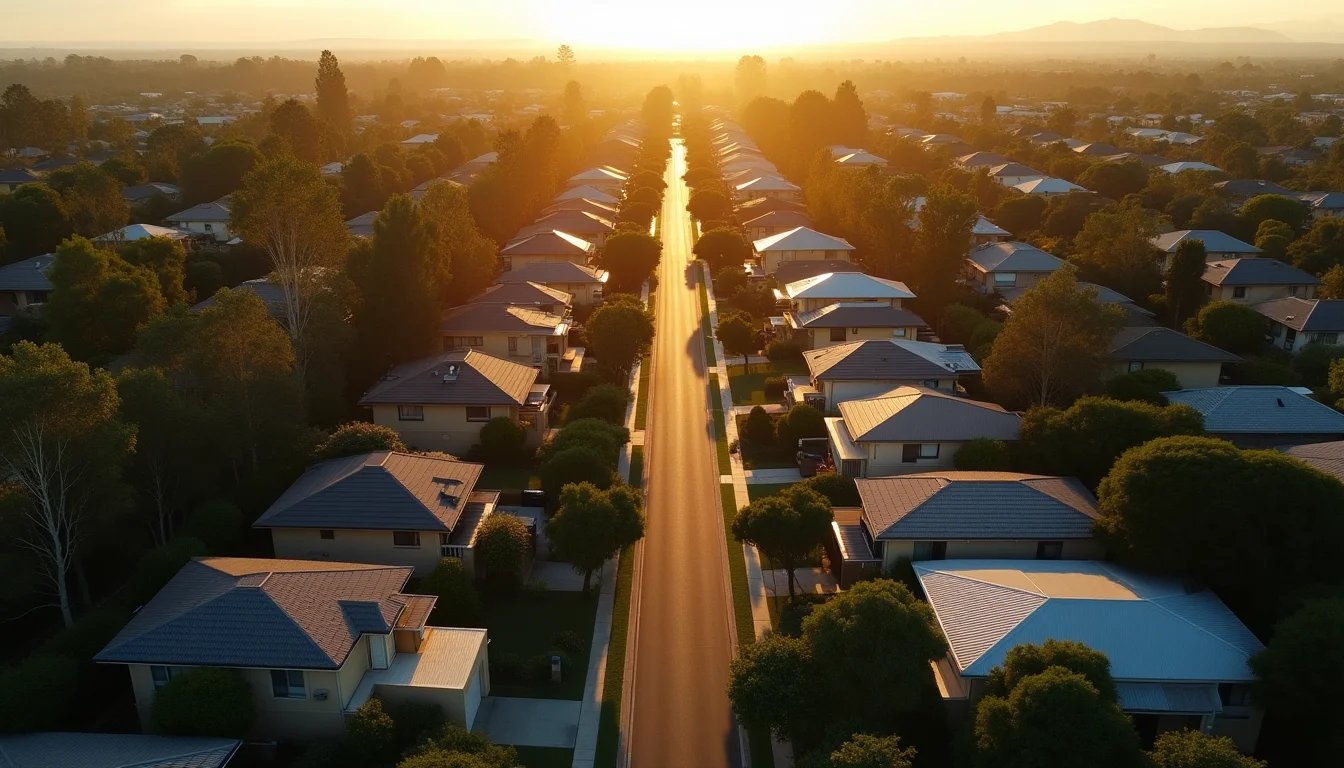
Sydney's auction market has collapsed to levels not recorded since the banking royal commission crackdown of 2018, with clearance rates reflecting challenging conditions for agents. According to REA Group, only 41.3% of Sydney homes scheduled to go to auction last week actually produced a sale, with many homes getting passed in without attracting a single bid. The market deterioration signals challenging conditions similar to 2018 when prices fell by nearly 11%.
Metropolitan Market Faces Significant Challenges
Sydney's auction market has experienced a dramatic change in fortunes from just last year when over 70% of the homes going under the hammer over most weeks sold. Auctioneer Clarence White, the director of auction group Menck White, said conditions haven't been this weak since 2018 – Sydney's most recent, prolonged, market downturn. "It's a very price cautious buyer market right now," Mr White said, adding that many buyers were wary that whatever price they paid at the moment could be higher than what other buyers could be paying later this year.
The bulk of the homes that failed to sell were withdrawn from auction before bidding could commence – normally an indicator of lacklustre demand from buyers. Property analyst Jeremy Sheppard, head of research at SuburbData, said higher interest rates, coupled with uncertainty over the economy and recent tax reforms, were pushing down prices. "Buyers are spooked by the threat of more interest rate hikes," he said.
Sydney house price falls dragged property values down by an average of $75,000 in the past three months – the second-largest nominal quarterly drop ever recorded. Sydney's median house price dropped from $1.56m to $1.485m over the March quarter, representing a 4.8% decline – the largest percentage fall in seven years.
Regional Markets Face Extended Challenges
Regional real estate markets face markedly different operating conditions, with rental market pressures continuing to tighten across regional areas. According to Property Update, Darwin recorded 9.7% monthly rent increases, adding complexity to agent operations in non-capital markets. Rental markets remain extremely tight, with vacancy rates at or below 1% in most capital cities, keeping upward pressure on rents.
The performance gap becomes more pronounced when examining regional markets generally. Sydney remains Australia's most expensive rental market, with median rents of $850 per week for houses and $800 per week for units. Despite slower migration and increased first-home buyer activity, a lack of new housing supply is sustaining low vacancy rates and supporting rent growth across regional areas.
The stark contrast between metropolitan and regional market conditions illustrates fundamental challenges facing agents, who must navigate different market dynamics while maintaining conversion rates in challenging economic conditions.
Market Fundamentals Drive Performance Variations
Western Australia and other states demonstrate varying market performance across both metropolitan and regional markets. The performance variations reflect both market fundamentals and economic conditions, with resource sector demand and interstate migration patterns influencing regional outcomes. Darwin led the country for rental growth, with house rents up 9.7% over the month and 17.6% annually, while unit rents surged 21.5% over the year.
Most capitals continue to report solid to strong annual house rent growth, with house vacancy rates remaining at extremely low levels at or below 1.0%. The efficient transaction environment in various markets enables agents to process higher volumes, though market conditions vary significantly across different regions and price points.
Auction clearance rates have fallen dramatically, with Sydney recording only 41.3% of scheduled auctions producing sales, compared to over 70% clearance rates last year.
Commission Structure Impact on Agent Territory Selection
The performance divide between metropolitan and regional markets significantly impacts agent commission structures and territory selection strategies. Metropolitan agents face challenges from higher interest rates and lower buyer demand, while regional agents must balance market dynamics with extended marketing requirements. Mr White noted that vendor expectations had yet to catch up to the reality of the changed market, with many sellers still thinking they would be able to get the prices seen months ago.
Regional agents must adapt to varying market velocities and rental market conditions. Proposed tax changes that discourage property investment risk further reducing rental supply, potentially driving rents even higher in the years ahead. Already low vacancy rates have continued to generally tighten, with rents predictably still mainly on the rise across most markets.
Understanding Real Estate Agent Fees in Australia — Complete State by State Guide becomes essential for agents evaluating territory opportunities, as commission percentages must account for varying market velocities and transaction complexities across metropolitan and regional boundaries. The data indicates that successful agent strategies must adapt to local market conditions, with different approaches required for metropolitan versus regional territories.
These fundamental differences in market dynamics will continue shaping agent performance metrics as interest rates remain elevated, with ongoing low and falling vacancy rates generating consistently higher rents. New taxation policies designed to significantly reduce investor numbers are likely to exacerbate already drastic low supply of rental properties and higher rents, affecting agent operations across all market segments.