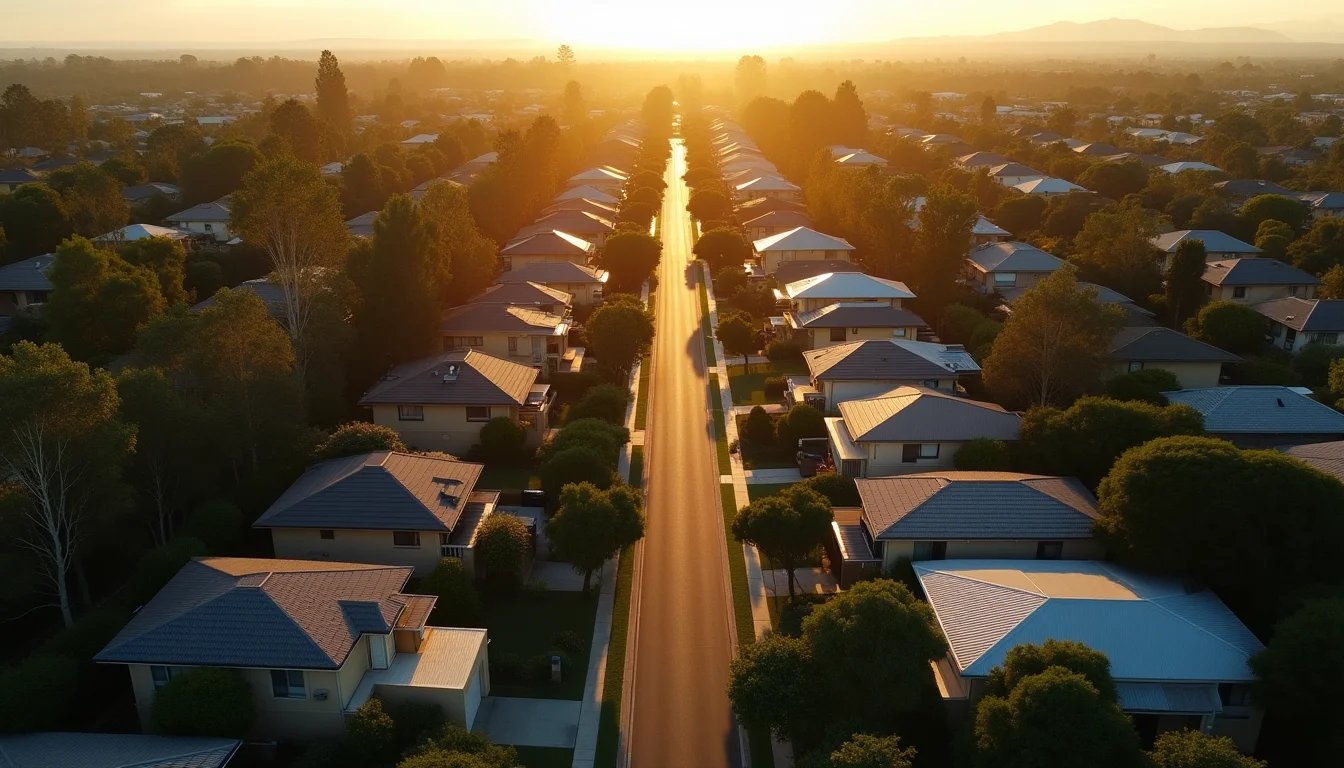
According to SMH Property, a northern beaches townhouse that attracted seven registered bidders sold for $1,725,000 only after a grinding 50-minute auction during which bids moved so slowly the agent nearly passed the property in — and a separate inner-west villa changed hands for $625,000, with an investor paying $60,000 above reserve to outcompete two first home buyer couples. Both results, published on 20 June 2026, crystallise a defining tension in winter 2026 campaign strategy: large bidder pools are not translating into fast, competitive auctions, forcing agents to reconsider how they structure campaigns, set reserves, and choose method of sale as June deepens.
Winter Buyer Hesitation Is Rewriting Sydney Auction Timelines
The northern beaches result is a direct data point on buyer confidence. Seven registered bidders — a number that in a spring market would typically produce a brisk 15-minute auction — produced a 50-minute ordeal that tested the agent's patience and the vendor's nerve. The eventual result, $1,725,000 for a townhouse, represents a sale, but the campaign signal is clear: registration numbers no longer predict bidding tempo. Agents relying on bidder count as a proxy for clearance confidence need a new framework.
This dynamic is reinforced by REA Group's 20 June 2026 analysis, which reported that vendors across Sydney are watching buyers hesitate in real time, with recent price falls pushing many vendors to recalibrate expectations toward current market conditions. In practical campaign terms, this means reserve-setting conversations need to begin earlier in the marketing period — not as a last-minute adjustment on the morning of auction day. Agents who allow vendors to anchor on comparable sales from Q4 2025 are setting campaigns up for passed-in results, extended negotiations, and the reputational damage of publicly stalled auctions.
The suburb data supports a differentiated approach across Sydney. Randwick currently records a 73.5% clearance rate and a $2,400,000 median, with properties averaging 23 days on market — a premium pocket where the traditional 4-week auction campaign remains appropriate. Surry Hills posts a 73% clearance rate at a $1,920,000 median with a matching 23-day cycle. But Penrith, at an $880,000 median with a 35-day average and a 62% clearance rate, and Liverpool at $850,000 with a 38-day average and a 60.5% clearance rate, suggest that middle-ring and outer-ring Sydney markets require longer marketing windows and, in many cases, a private treaty fallback built into the campaign structure from day one.
Melbourne's 10% Listings Plunge Forces Agents Into Selective Campaign Timing
While Sydney agents are managing slow auction rooms, Melbourne agents face a supply-side constraint that fundamentally changes seasonal strategy. According to REA Group on 19 June 2026, new Melbourne listings have fallen by more than 10%, as home prices dip below $1 million and clearance rates decline. This compression in new stock means agents with active listings hold a temporary relative advantage — but it also signals that vendors withdrawing from the market are waiting for conditions they may not see in the near term.
The Melbourne suburb data illustrates the internal stratification agents must account for in their campaign advice. Toorak at a $2,800,000 median records a 72% clearance rate and 23 days on market — a prestige segment where well-priced stock moves efficiently even in a difficult winter. Kew posts a 71% clearance rate at a $2,100,000 median with a 24-day cycle, and Prahran clears at 69% with a $1,550,000 median over 25 days. These inner-city prestige corridors maintain campaign discipline. Drop into the mid-market, however, and the picture changes sharply: Dandenong records just a 56% clearance rate at a $680,000 median with properties sitting for 40 days, while Newtown (VIC) posts a 52% clearance rate at a $950,000 median with a 35-day average.
For Melbourne agents operating in the mid-market and outer suburbs, the 10% listings decline is both a warning and an opportunity. Vendors who do list in this environment face less competition from comparable stock, but they are listing into a buyer pool that is smaller and more cautious. Campaign strategy should reflect this: longer initial marketing windows, early vendor communication on price feedback, and auction reserves set conservatively with clear private treaty contingencies. Reservoir, currently averaging 32 days on market at an $880,000 median with a 62% clearance rate, exemplifies the mid-tier market where a 5-week campaign with a built-in post-auction private treaty period is more realistic than a standard 4-week auction run.
Queensland's 'Election Period' Demands a Different Seasonal Playbook
According to REA Group on 19 June 2026, Queensland auctioneer Haesley Cush has characterised the current property market as an 'election period' — buyers frozen in place, waiting to see who blinks first. This framing has direct implications for seasonal campaign design in Queensland. Agents who maintain auction as the default method of sale in a buyer-paralysis environment are misreading the market signal.
West End in Brisbane currently records a 62% clearance rate at a $1,350,000 median with a 22-day marketing cycle and 8.8% annual growth — a market where auction still produces results but where the bidding atmosphere will likely mirror what Sydney experienced on the northern beaches. Maroochydore and Indooroopilly both post 8.5% annual growth with medians of $1,050,000 and $1,380,000 respectively, but clearance rates of 54% and 62.5% with 28-day and 23-day cycles indicate that buyer engagement is conditional. In the 'election period' environment Cush describes, agents in Queensland's growth corridors may achieve better outcomes structuring campaigns as expressions of interest with an auction fallback, rather than leading with auction as the primary call to action.
South Perth's 17-day average days on market and 63.5% clearance rate at a $1,450,000 median — compared to Port Macquarie's 48-day cycle and 46% clearance rate at an $850,000 median — illustrates the 31-day performance gap separating high-velocity Western Australian markets from slower regional NSW campaigns in winter 2026.
Western Australia Benchmarks Redefine What Fast Campaigns Actually Look Like
Against the hesitation visible in Sydney, Melbourne, and Queensland, Western Australia's market data presents a starkly different seasonal baseline. Nedlands records a $2,200,000 median with 15% annual growth, a 65.5% clearance rate, and properties averaging just 15 days on market. South Perth posts 13.8% annual growth at a $1,450,000 median with a 63.5% clearance rate and 17-day average. Fremantle rounds out the WA picture with 5.8% growth at a $950,000 median and a 25-day average. Mandurah, the more accessible entry point at a $550,000 median, still records 10.5% annual growth and a 24-day marketing cycle.
For agents operating in WA, seasonal campaign strategy carries a different risk profile than in the eastern states. The concern is not buyer hesitation — it is underselling in a compressed timeline. Agents in Nedlands and South Perth who rush to close without maximising competitive tension risk leaving significant money on the table. The international property market comparison context matters here: WA's current velocity metrics resemble premium urban markets in undersupplied global cities rather than the hesitant secondary markets visible in Sydney's outer ring. Campaign strategy in Nedlands should focus on generating maximum registered bidder numbers and extending auction competition, not shortening the marketing period to capitalise on apparent urgency.
The performance contrast with Port Macquarie — 48 days on market, 46% clearance rate, $850,000 median, 3.5% annual growth — and Ballina — 45 days, 47% clearance rate, $1,350,000 median, 4% growth — highlights the divergence agents managing regional NSW portfolios face. These markets require campaign structures built around extended private treaty periods, vendor communication cadences that maintain engagement across a 6-to-8-week marketing window, and price guidance that reflects actual cleared comparable sales rather than peak-cycle medians. For a deeper breakdown of how agent fees align with campaign effort across different market conditions, the Real Estate Agent Fees in Australia — Complete State by State Guide provides a useful framework for understanding how commission structures should reflect market complexity.
Method of Sale Decisions Are Now the Central Campaign Variable
The data from June 2026 makes clear that method of sale is no longer a secondary decision agents make after securing a listing — it is the primary strategic lever available to agents in a market characterised by buyer hesitation, falling volumes, and widening performance gaps between suburbs. The inner-west investor result — $625,000, $60,000 over reserve, competing against first home buyers — demonstrates that auction can still produce premium outcomes when the vendor pool includes motivated cash-ready buyers. But the 50-minute northern beaches result demonstrates equally clearly that bidder registration does not guarantee bidding competition.
Agents should be presenting vendors with data-driven method-of-sale analysis as a standard component of appraisal presentations. In markets like Randwick, Surry Hills, Toorak, and Kew, where clearance rates sit above 70% and days on market sit below 25, auction remains the highest-probability path to a premium result. In markets where clearance rates are below 60% and days on market exceed 35 — Dandenong, Newtown (VIC), Penrith, Liverpool, Ballina, Port Macquarie — private treaty with a defined auction fallback offers vendors better control over pricing outcomes and removes the reputational exposure of a publicly passed-in result.
Understanding the commission and fee structures that apply across different campaign types and states is also increasingly relevant as vendors become more cost-conscious in a softer market. The How Real Estate Agent Commissions Work guide provides context on how agents should position their value in extended campaigns. For agents assessing their own performance against current market benchmarks, the How to Measure Real Estate Agent Performance framework offers a structured approach to tracking clearance rates, days on market, and vendor satisfaction across different seasonal conditions.
The June 2026 data signal is unambiguous: winter campaign strategy in Australia cannot apply a single template across markets that are performing at fundamentally different speeds. Agents who calibrate method of sale, reserve strategy, marketing windows, and vendor communication to suburb-level data — rather than applying a one-size national approach — will separate their performance from the broader market hesitation that is now visible in real time across Sydney's auction rooms and Melbourne's listing withdrawal data.