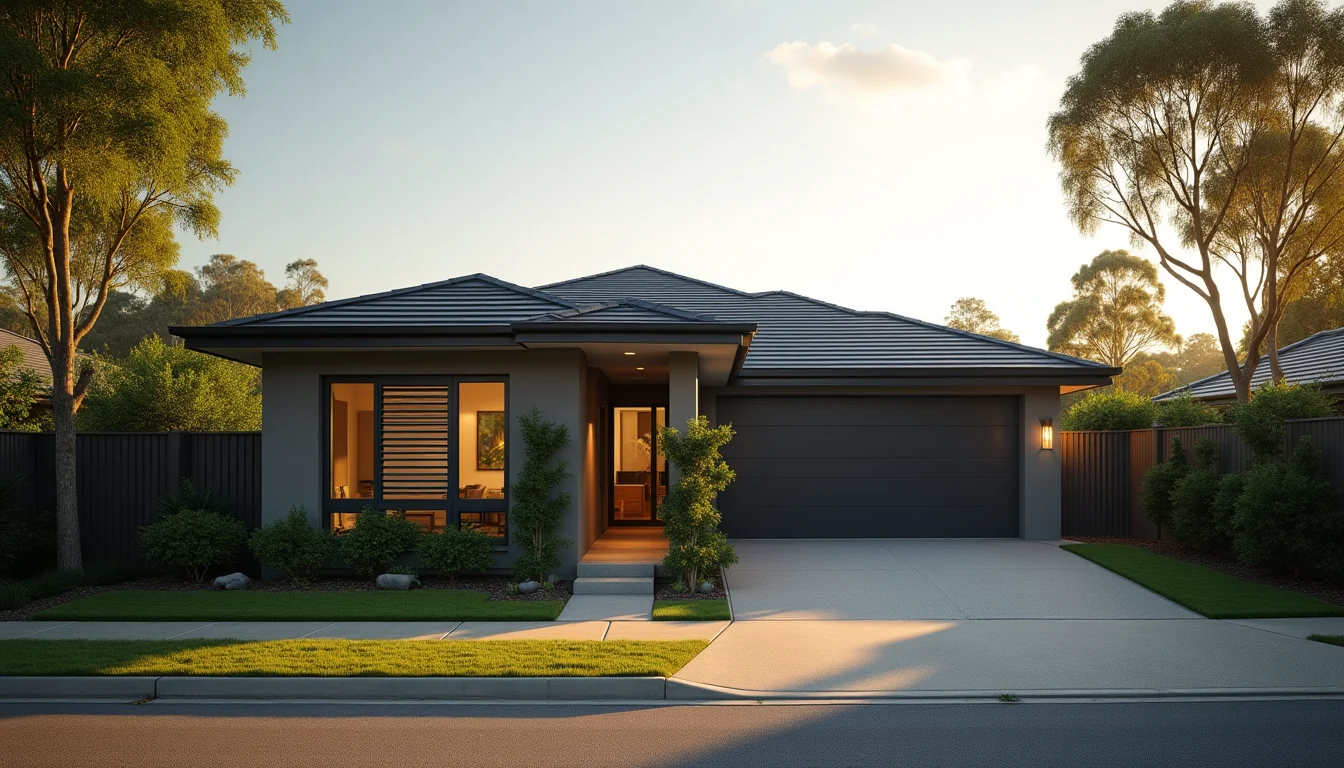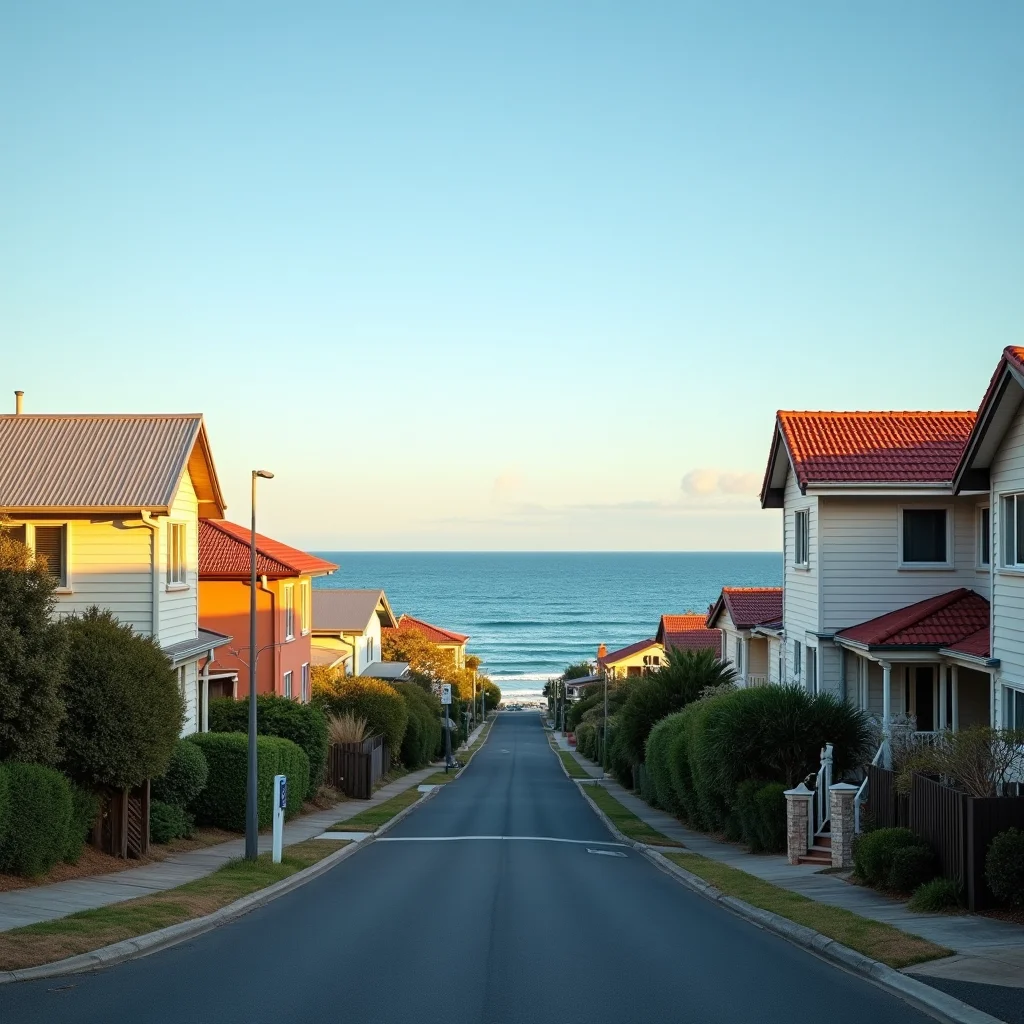
According to REA Group, luxury property marketing is undergoing a measurable shift as buyers embrace virtual reality gallery experiences to 'test drive' harbourside living before committing to inspections — a development published on 20 August 2026 that carries direct implications for how agents structure pre-spring campaigns across Australia's premium tier. South Perth's current median of $1,450,000, 13.8% annual growth, and a 17-day average days-on-market reading signal that WA agents who time campaigns for late August entry are capturing buyers months before eastern state equivalents can clear comparable stock.
What the REA Group VR Development Means for August Campaign Timing
The REA Group report on VR gallery experiences is not a novelty story — it is a signal about where buyer engagement is concentrating ahead of spring. Luxury harbourside properties are being marketed through immersive virtual formats that allow qualified buyers to shortlist, emotionally commit, and compress their decision timelines before a single physical inspection occurs. For agents running premium campaigns in August, this changes the pre-launch preparation window fundamentally: digital assets — including 3D walkthroughs, VR-compatible floor plans, and high-resolution drone footage — now function as primary demand generation tools rather than secondary marketing collateral.
The timing implication is concrete. Agents who delay digital asset production until after a listing goes live are starting their campaigns behind buyers who have already formed views through online research and, increasingly, virtual experiences. The August window — typically treated as a quiet pre-spring period — is now functioning as a demand-capture phase for buyers active on platforms like realestate.com.au. Agents in South Perth and Nedlands, where days-on-market readings of 17 and 15 days respectively reflect compressed decision cycles, are already operating in a market where digital-first buyer behaviour is the baseline, not the exception.
South Perth, Nedlands, and the WA Premium Tier: Where Seasonal Timing Pays Off
South Perth's August 2026 data presents one of the sharpest seasonal entry cases in the national dataset. At a $1,450,000 median with 13.8% annual growth and a 63.5% auction clearance rate, the suburb is absorbing stock faster than agents in comparable eastern state markets can generate comparable results. Nedlands, sitting at a $2,200,000 median, 15% annual growth, and a 15-day sales cycle with a 65.5% clearance rate, reinforces the pattern: WA's premium tier is not just growing faster — it is clearing faster, which means agents who list in August rather than waiting for September's conventional spring surge capture buyers with less competition on the listings page.
The contrast with Port Macquarie is instructive. At an $850,000 median, 3.5% annual growth, 48 days on market, and a 46% clearance rate, NSW's regional market demonstrates what happens when campaign timing does not match buyer depth. Agents in markets with 48-day average sales cycles who launch in early September face a longer campaign tail, higher vendor management demands, and increased pressure from competing listings that arrive in October. The WA model — launching in late August when buyer depth is high and competing supply is low — produces demonstrably tighter sales cycles.
South Perth's 17-day average days-on-market and 63.5% auction clearance rate in August 2026 sit against Port Macquarie's 48-day cycle and 46% clearance rate — a gap that reflects not just market conditions but the structural advantage of campaign timing in high-demand, low-supply windows.
Queensland's Pre-Spring Window: West End and Indooroopilly Data
Queensland presents a different but equally compelling seasonal case. West End's $1,350,000 median, 8.8% annual growth, and 22-day days-on-market figure with a 62% clearance rate place it firmly in the pre-spring sweet spot. Indooroopilly mirrors the dynamic: $1,380,000 median, 8.5% annual growth, 23 days on market, and a 62.5% clearance rate. Both suburbs demonstrate that QLD's inner-ring premium market is absorbing listings efficiently in August — a window that agents who wait for the conventional September surge will miss entirely.
Maroochydore adds a coastal dimension to the QLD seasonal picture. At a $1,050,000 median with 8.5% annual growth and 28 days on market, the Sunshine Coast market is operating with buyer depth that supports August campaigns, though the 54% clearance rate suggests auction as a method carries more risk than private treaty for vendors entering before the full spring buyer pool arrives. For agents in Maroochydore, the data supports a pre-spring private treaty campaign with auction reserved for October, when clearance conditions are likely to improve.
Victoria's Seasonal Split: Toorak and Prahran vs Dandenong
Victoria's seasonal campaign calculus is more complex. Toorak's $2,800,000 median, 4.5% annual growth, 23-day days-on-market, and 72% clearance rate indicate that Melbourne's prestige tier supports August campaigns — buyer depth at the top end remains sufficient to justify premium auction-format launches before the spring crowd arrives. Prahran, at $1,550,000 median, 3.9% growth, 25 days on market, and a 69% clearance rate, sits in a similar position: active enough to support August entry, but with growth rates that indicate more selective buyer demand than WA equivalents.
Dandenong tells a different story. At a $680,000 median, 2.3% annual growth, 40 days on market, and a 56% clearance rate, Melbourne's outer suburban tier does not support aggressive August campaign launches. Agents in this segment face a longer buyer engagement window regardless of timing, and the August pre-spring premium that WA and inner-Melbourne agents capture does not materialise at the affordable end of the Victorian market. For Dandenong vendors, a mid-September entry — when spring buyer volumes have fully built — produces better clearance conditions than an August push into thin buyer depth. Agents advising vendors in this segment should adjust expectations accordingly, referencing how to measure real estate agent performance metrics specific to days-on-market benchmarks by suburb tier.
Campaign Method Selection: Auction vs Private Treaty by Seasonal Window
The REA Group VR gallery development intersects directly with campaign method selection. When buyers are engaging with luxury properties digitally before physical inspection, the pre-auction marketing period becomes the primary demand-capture mechanism — not the auction day itself. Agents running four-week auction campaigns in Randwick ($2,400,000 median, 73.5% clearance rate, 23 days on market) or Kirribilli ($2,650,000 median, 72.5% clearance rate, 24 days on market) who invest in VR-quality digital assets during the campaign's first week are positioning properties for qualified buyer engagement before competing spring listings arrive.
Private treaty campaigns carry different seasonal logic. In markets where clearance rates sit below 55% — Ballina at 47%, Port Macquarie at 46%, Newtown (VIC) at 52% — vendors benefit from a longer negotiation window that private treaty affords. Agents advising on campaign structure in these markets should be explicit about the method-timing trade-off: an August auction in a 47% clearance market risks a passed-in result that damages perceived value for subsequent private treaty negotiations. A September private treaty entry, when buyer volumes are higher, produces better price outcomes in thin-clearance suburban markets. For a detailed breakdown of commission structures that affect agent incentives around method selection, the Real Estate Agent Fees in Australia — Complete State by State Guide provides state-by-state context.
Surry Hills ($1,920,000 median, 73% clearance rate, 23 days on market) and Randwick both demonstrate that Sydney's inner ring supports August auction campaigns with strong clearance foundations. Agents in these markets who time listings for late August capture buyers who have completed their research phase — increasingly through digital tools like the VR gallery experiences REA Group reported on 20 August 2026 — and are ready to commit at auction in early September. For agents tracking international approaches to digital campaign methods, international property market comparison data shows similar pre-season digital engagement trends accelerating across major markets.
Agent Recommendations: The August–September Timing Decision Framework
The data across 20 suburbs produces a clear framework for agents advising vendors on campaign timing through August and September 2026. WA's premium tier — South Perth at 17 days on market, Nedlands at 15 days — supports immediate August entry with auction format and full digital asset production from day one. QLD's inner-ring suburbs (West End, Indooroopilly) support August entry with private treaty as the safer method until clearance conditions confirm auction viability. NSW's prestige inner suburbs (Randwick, Kirribilli, Surry Hills) support late-August auction campaigns anchored to digital-first buyer engagement. Victoria's prestige tier (Toorak, Kew at 71% clearance and 24 days) supports August entry; the outer suburban tier does not.
Agents who understand the interaction between seasonal buyer depth, campaign method, and emerging digital marketing tools — including VR gallery experiences of the kind REA Group reported this week — will structure campaigns that outperform competitors who default to the conventional September spring launch. The data is unambiguous: in WA and inner-QLD, the August window is not pre-season. It is the season.