Perth
WA · Population 2,310,000
Source: Domain House Price Report & Domain Rental Report · refreshed quarterly · last updated 5 Nov 2026
Median House
$750,000
+3.8% YoY
Median Unit
$400,000
QoQ Change
+1.1%
Clearance Rate
—
Days on Market
—
Yield (Houses)
5.5%
Yield (Units)
4.9%
Vacancy Rate
3%
Key Takeaways
- Perth house median hits $700,000, up 5.2% annually, outpacing Melbourne and Sydney growth rates.
- Units offer better cash flow at 4.4% yield versus 4% for houses, with lower entry cost.
- 3.5% vacancy rate remains below healthy benchmark, sustaining rental growth and buyer urgency.
- Perth combines strong yields with ongoing capital growth, a rare mix among Australian capitals.
- WA's low regulatory risk and tight construction supply favour sustained investor demand over the next year.
Perth Property Market Profile
Buying or Investing in Perth?
Get finance pre-approved before bidding or making an offer in Perth so you know your borrowing ceiling and can move fast on the right property.
Latest News — Perth
Guides for Buyers and Sellers in Perth
Property Due Diligence Checklist
A property due diligence checklist is a systematic examination of building conditions, legal matters, and financial obligations before finalising a purchase, protecting Australian buyers from unexpected problems and costly surprises.
Read Guide →Understanding Comparable Sales
Comparable sales analysis uses recently sold properties with similar characteristics to determine market value, helping buyers, sellers, and investors make informed pricing and negotiation decisions in Australia's diverse property market.
Read Guide →Auction vs Private Treaty — Which is Better?
Property sellers must choose between auction and private treaty methods, each offering distinct advantages. Auctions create competitive bidding with no cooling-off periods, while private treaties allow confidential negotiations.
Read Guide →How to Choose the Right Real Estate Agent
Choosing the right real estate agent is crucial for property sellers, directly impacting sale price, transaction efficiency, and satisfaction, and requires a data-driven evaluation of performance metrics, local market proficiency, and strategic approach.
Read Guide →Latest Property Intelligence
 Agent & Agency
Perth's Listings Surge 42% as Adelaide Hits 45%: REA Group Data Shows Where Buyers Now Hold the Advantage
REA Group's October 2026 Market Snapshot shows Adelaide listings up 45% and Perth up 42% year-on-year, handing buyers more choice just as the RBA's fifth 2026 rate rise lifted the cash rate to 4.85% and investor lending fell more than 30% in the September quarter.
 Property Investment
John McGrath: Albanese Government's Property Tax Changes 'Taxing Us to Death'
John McGrath's 'taxing us to death' broadside against federal property tax policy lands as the RBA cash rate sits at 4.60% and suburb data shows negative gearing economics splitting sharply by state — from South Perth's 13.8% growth to Dandenong's 2.3%.
 Property Market
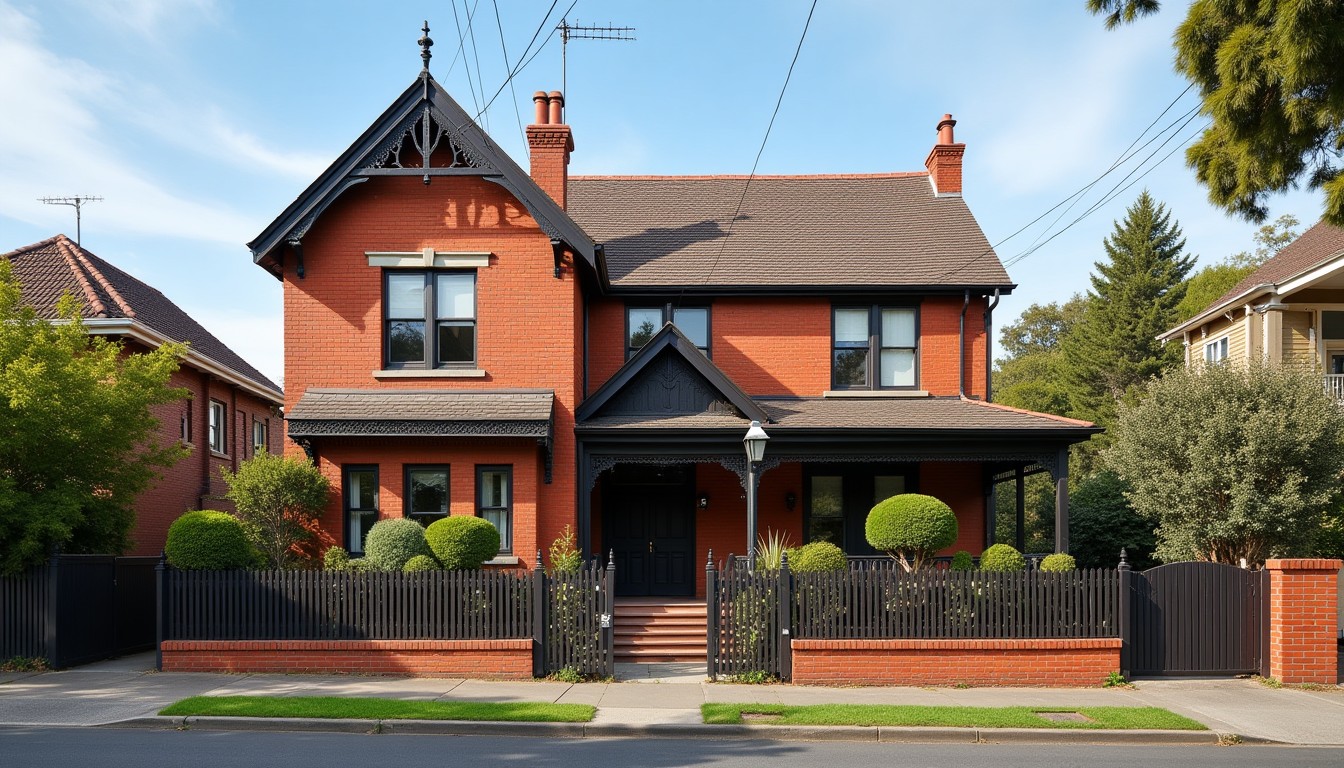
Northcote Home Passes In at $1.7M as Melbourne Auction Clearance Rate Hits 56%
A Northcote triple-brick home passed in on a $1.7 million vendor bid as REA Group flags vendor pricing as the core driver of Melbourne's auction struggles. REAStats data shows entry-level Melbourne suburbs like Dandenong and Reservoir are still clearing at 56-62%, offering first home buyers a narrower but real window as the RBA cash rate sits at 4.60%.
 Property Investment
John McGrath Names 10 Queensland Suburbs Tipped to Buck Housing Downturn
REA Group's John McGrath has named ten Queensland suburbs as recovery plays, a call that lines up with REAStats data showing Queensland and Western Australia growth corridors materially outpacing Melbourne and Sydney's established blue-chip tiers.
Frequently Asked Questions
Is Perth still affordable compared to other capital cities?
Yes, Perth's $700,000 house median remains well below Sydney and Brisbane, making it attractive to interstate buyers and investors seeking affordability alongside genuine capital growth. This relative value, combined with a 5.2% annual price rise, positions Perth as one of the more accessible yet still growing capital city markets nationally.
Should I buy a house or a unit in Perth right now?
It depends on your goals. Houses offer stronger long-term growth potential due to land scarcity and buyer preference for standalone homes, while units provide better rental yield at 4.4% versus 4% for houses, plus a lower entry price of $480,000, making them attractive for cash-flow-focused investors or budget-constrained buyers.
What does Perth's low vacancy rate mean for buyers?
A 3.5% vacancy rate, though eased from extreme 2022-23 lows, still sits below the healthy 3% benchmark, indicating tight rental supply. This scarcity supports ongoing rental growth and reinforces urgency in the purchase market, as investors anticipate continued rental income growth and owner-occupiers compete for limited available housing stock.
Are there risks to Perth's property market outlook?
Yes, Perth's growth is linked to WA's resources-driven economy and population inflows, so any downturn in commodity prices or slower migration could dampen demand. Additionally, construction capacity constraints limit new housing supply, which could either sustain price pressure or signal broader economic risks if demand unexpectedly weakens.
How does Perth compare for property investors versus other states?
Perth offers a rare combination of competitive yields (4-4.4%) and strong annual capital growth (5.2%), alongside comparatively low regulatory risk since WA lacks aggressive investor-targeted land tax surcharges found in Victoria or Queensland. This blend of cash flow, growth, and lighter regulation makes Perth appealing for investors nationally.
Capital-city statistics are sourced from public Domain research reports and refreshed quarterly. Figures are indicative. REAStats may receive referral fees from linked services. Not financial advice.
Market Snapshot
Perth's median house price sits at $700,000 after a 2.2% quarterly gain and a 5.2% rise over the past year, confirming the city remains in an active growth phase rather than a plateau. That annual figure outpaces the softer conditions recorded in Melbourne and parts of Sydney through the same window, and it places Perth among the stronger-performing capitals nationally. The pace has moderated from the sharper surges of 2023 and early 2024, but a positive quarterly print still signals buyers are absorbing price rises rather than pulling back.
Perth's $700,000 house median remains well below Sydney and Brisbane, which continues to draw interstate buyers and investors chasing relative affordability combined with genuine capital growth. The unit median of $480,000 sits at 69% of the house price, a wider gap than several eastern capitals, reflecting Perth's historically lower-density housing stock and a market where detached houses dominate buyer preference.
Auction clearance rate and days on market data are not reported for Perth, a reflection of the city's private-treaty-dominant selling culture rather than a data gap of concern. The 3.5% vacancy rate, however, speaks volumes: it sits below the long-run healthy benchmark of around 3%, though it has eased from the extreme sub-1% readings of 2022-23. Supply of rental stock remains tight, and this scarcity continues to underpin both rental growth and buyer urgency in the purchase market.
Houses vs Units
The $220,000 gap between Perth's house and unit medians is substantial in percentage terms, meaning entry-level buyers and investors with constrained budgets have a meaningful alternative in the apartment and townhouse market. For owner-occupiers priced out of the $700,000 house segment, units at $480,000 open up inner and middle-ring suburbs that would otherwise be unreachable on a house budget.
On yield, units edge out houses at 4.4% versus 4% for houses, a gap that matters for investors weighing cash flow against capital growth. Houses still carry the stronger long-term growth story in Perth given land scarcity and the market's cultural preference for standalone dwellings, but units offer better near-term rental return and a lower entry price. Today's better value sits with units in established, well-located pockets, where tight vacancy rates are already pushing rents upward and compressing the yield gap further in the investor's favour.
Investor Outlook
A 3.5% vacancy rate paired with 4% and 4.4% yields on houses and units respectively gives Perth investors a rare combination: cash flow that is genuinely competitive against other capitals, alongside a market still posting annual capital growth of 5.2%. Few other capital cities currently offer this blend of yield and growth simultaneously, which explains continued investor and interstate buyer interest in the Perth market.
Capital growth prospects remain supported by the trajectory of the past year, and the 2.2% quarterly gain suggests momentum has not stalled. Western Australia's resources-linked economy, population inflows from both overseas migration and interstate relocation, and constrained new housing supply all continue to underpin price growth, though investors should watch for any softening in commodity prices or state-level population growth that could slow demand.
Regulatory risk in WA remains comparatively low relative to Victoria or Queensland, with no equivalent land tax surcharge regime targeting investors as aggressively. The primary supply-side risk is a construction sector still working through capacity constraints, meaning new stock additions are likely to stay below what's needed to meaningfully ease rental tightness in the next twelve months.
Owner-Occupier Outlook
Affordability in Perth remains genuinely attractive by national standards. A $700,000 house median allows owner-occupiers to secure a detached home in many middle-ring and outer suburbs without the extreme stretch required in Sydney or Melbourne. Units at $480,000 extend that affordability further into inner and middle-ring locations that would otherwise sit beyond reach.
With clearance rate and days-on-market figures unavailable, buyers should rely on local agent feedback and stock-on-market levels as the best real-time gauge of competition, but the strong annual growth and tight vacancy rate both point to a market still favouring sellers. Inner-ring suburbs command a premium and suit buyers prioritising lifestyle and commute times. Middle-ring suburbs offer the best balance of established infrastructure and achievable pricing near the city's house median, while outer growth corridors remain the primary entry point for first-home buyers chasing new land and lower price points, often well under $600,000.
Key Submarkets
Cottesloe and Peppermint Grove anchor Perth's blue-chip western suburbs, commanding coastal premiums well above the city median and attracting established wealth. Subiaco presents a gentrifying inner precinct where character housing stock sits alongside new apartment development, drawing younger professionals and downsizers alike. Fremantle offers a distinct lifestyle market, blending heritage character with a strong rental market driven by its port-city culture and proximity to the coast.
Victoria Park exemplifies Perth's inner-city gentrification story, with its mix of cafes, transport links and renewed housing stock drawing buyers priced out of the western suburbs. Baldivis and Ellenbrook represent the city's key growth corridors, delivering new house-and-land packages well under the $700,000 median and absorbing much of Perth's population growth. Joondalup serves as a family-oriented middle-ring hub, offering established infrastructure, schooling and retail amenity at prices below the inner-city premium.
Outlook for the Next 12 Months
Perth enters the coming year with momentum still intact. The combination of 5.2% annual growth, a 3.5% vacancy rate and yields above 4% across both houses and units points to continued upward pressure on prices, particularly if the Reserve Bank moves toward rate cuts and unlocks additional borrowing capacity for buyers already competing in a tight stock environment. Interstate migration and WA's resources-linked employment base should continue feeding underlying demand.
The key moderating factor will be affordability fatigue: as the house median climbs further above $700,000, some buyers are likely to shift demand toward the unit market, which should support stronger relative growth in apartment and townhouse values over the next twelve months. Barring a sharp deterioration in the resources sector or an unexpected surge in new housing completions, Perth looks set to remain one of the more resilient capital city markets through the year ahead.