
Property Due Diligence Checklist
A property due diligence checklist is a systematic examination of building conditions, legal matters, and financial obligations before finalising a purchase, protecting Australian buyers from unexpected problems and costly surprises.
This guide was produced with AI assistance and reviewed for accuracy. Content is for informational purposes only — not financial or legal advice.
Key Takeaways
- •Conduct building and pest inspections for $400-$700 to check structural integrity and pest activity.
- •Order strata reports for $150-$300 on apartments/townhouses to review body corporate minutes and financials.
- •Engage conveyancers for title searches to confirm ownership, identify encumbrances, and verify boundaries.
- •Research free council websites for planning overlays like flood zones or heritage listings that impact development.
- •Verify council and water rates, and any outstanding charges, as these become your responsibility at settlement.
Building and Pest
$400-$700 — essential for any house purchase
Strata Report
$150-$300 — review 2-3 years of minutes for issues
Title Search
Confirms ownership, easements, caveats — done by conveyancer
Planning Overlay
Flood, fire, heritage, development restrictions — free on council website
Council Rates
Unpaid rates become buyer's liability at settlement
Walk Away Signals
Major structural defects, termite activity, significant special levies
Overview
A property due diligence checklist is a systematic examination of all aspects of a property before finalising a purchase, encompassing building conditions, legal matters, financial obligations, and regulatory restrictions. This comprehensive review process protects buyers from inheriting unexpected problems, financial liabilities, or legal complications that could cost tens of thousands of dollars after settlement. For Australian property buyers, due diligence represents the critical difference between a sound investment and a financial disaster.
The checklist encompasses both mandatory inspections and voluntary investigations, ranging from building and pest reports costing $400-$700 to free council searches that reveal planning overlays affecting future development potential. Professional investors and experienced buyers treat due diligence as an essential cost of acquisition, while first-time buyers often underestimate its importance until faced with post-settlement surprises. The process typically occurs during the cooling-off period or subject-to clauses in contracts, providing buyers with legal grounds to withdraw or renegotiate based on adverse findings.
How It Works
The due diligence process begins with engaging qualified professionals to conduct formal inspections and searches. Building and pest inspections, costing $400-$700 depending on property size and location, must be performed by licensed inspectors who examine structural integrity, electrical systems, plumbing, and evidence of termite activity. For apartments and townhouses, strata reports costing $150-$300 provide access to 2-3 years of body corporate minutes, financial statements, and planned maintenance schedules, revealing potential special levies or building defects affecting multiple units.
Concurrent with physical inspections, conveyancers conduct title searches to confirm legal ownership, identify any caveats, easements, or encumbrances, and verify property boundaries. Buyers can independently research planning overlays through free council websites, checking for flood zones, heritage listings, fire management overlays, or development restrictions that could limit future renovation or subdivision potential. Financial due diligence includes verifying current council rates, water rates, and any outstanding charges that become the buyer's responsibility at settlement, regardless of prior arrangements between parties.
Historical Context
Australia's formal property due diligence requirements evolved significantly following the 1970s consumer protection reforms, when state governments began mandating cooling-off periods and standardising disclosure requirements. The Building Act reforms of the 1980s established licensing requirements for building inspectors across all states, while the 1990s saw the introduction of mandatory pest inspection standards following widespread termite damage claims in Queensland and New South Wales.
The 2008 global financial crisis prompted enhanced due diligence practices as property values declined and buyers faced negative equity situations. This period saw the emergence of comprehensive strata reporting services and improved access to planning information through online council portals. The 2020-2022 property boom intensified competition, with many buyers waiving inspection clauses to secure properties, leading to increased post-settlement disputes and renewed emphasis on thorough due diligence practices.
Major legislative changes in 2018-2019 introduced stricter building standards and inspection requirements across Victoria, New South Wales, and Queensland following apartment defect scandals, making comprehensive due diligence more critical than ever for buyers of new and recently completed properties.
Current Relevance
In today's market, building and pest inspections typically cost $400-$700 for houses, with premium services reaching $1,000 for large or complex properties. Strata reports range from $150-$300, with urgent reports available within 24-48 hours for an additional fee. The current market sees approximately 85% of serious buyers conducting building inspections on houses, though this drops to around 60% for apartments where buyers often rely solely on strata reports.
Recent trends show increased scrutiny of flood and fire overlays following extreme weather events across Australia, with buyers specifically requesting detailed hazard assessments in previously unaffected areas. Council rates investigations have become more critical as local government financial pressures increase, with some councils imposing special rates for infrastructure upgrades that can add thousands annually to property costs. The rise of online property research tools has democratised access to planning information, though professional interpretation remains essential for complex overlay combinations.
Contemporary due diligence increasingly includes environmental assessments for properties near industrial sites, while coastal properties face additional scrutiny regarding sea level rise projections and coastal erosion risks reflected in planning schemes. The digital transformation of council services has accelerated access to planning information, though the quality and comprehensiveness varies significantly between jurisdictions, making professional guidance more valuable than ever.
Key Considerations
Mandatory Professional Inspections
Engage licensed building and pest inspectors for all house purchases, budgeting $400-$700 for comprehensive reports. For apartments, obtain strata reports covering 2-3 years of body corporate minutes to identify recurring issues, planned maintenance, and potential special levies exceeding $10,000.
Legal and Title Verification
Ensure conveyancers conduct thorough title searches identifying easements, caveats, and boundary disputes. Verify that all previous building work has proper permits and certificates, particularly for renovated properties where illegal modifications could force costly compliance upgrades.
Planning and Development Restrictions
Research all planning overlays affecting the property through council websites, paying particular attention to heritage controls, flood zones, and bushfire management areas. Understanding these restrictions prevents future disappointment with renovation or development plans.
Financial Liability Assessment
Verify all outstanding council rates, water rates, and charges that transfer to buyers at settlement. For strata properties, confirm current levies and investigate any proposed special levies that could significantly increase ongoing costs.
Critical Walk-Away Triggers
Establish clear boundaries for deal termination, including major structural defects requiring repairs exceeding $20,000, active termite infestations, or special levies exceeding $15,000 per unit. Treat these as non-negotiable red flags requiring immediate withdrawal.
Professional Network Development
Build relationships with qualified building inspectors, pest controllers, and conveyancers who understand local conditions and provide detailed, actionable reports. Avoid the cheapest options, as thorough due diligence prevents problems worth many times the inspection costs.
Key Takeaways
Property due diligence represents essential insurance against unexpected costs and legal complications that can destroy investment returns or create ongoing financial stress for homeowners. The systematic investigation of building conditions, legal status, planning restrictions, and financial obligations provides buyers with complete information necessary for informed decision-making, while establishing clear grounds for contract withdrawal or price renegotiation when problems emerge.
Successful property buyers treat due diligence costs as mandatory acquisition expenses rather than optional extras, recognising that spending $1,000-$1,500 on comprehensive investigations can prevent problems worth tens of thousands of dollars. The key lies in engaging qualified professionals, understanding local planning requirements, and maintaining strict standards for deal completion, particularly regarding major structural defects, termite activity, and significant financial liabilities that transfer at settlement.
Frequently Asked Questions
What is a property due diligence checklist and why is it important for Australian buyers?+
A property due diligence checklist is a systematic examination of a property's building conditions, legal matters, and financial obligations before purchase. It's crucial for Australian buyers to protect against unexpected problems, financial liabilities, or legal complications that could incur significant costs after settlement.
What are the typical costs associated with property due diligence in Australia?+
Typical costs include $400-$700 for building and pest inspections, and $150-$300 for strata reports for apartments/townhouses. Some checks, like council searches for planning overlays, can be free. These costs are considered an essential part of the acquisition process for informed buyers.
What professionals should I engage for property due diligence?+
You should engage licensed inspectors for building and pest reports, which assess structural integrity and detect issues like termites. For apartments, a strata report is vital. Additionally, a conveyancer will conduct title searches to verify legal ownership and identify any encumbrances on the property.
When does property due diligence typically take place in the Australian buying process?+
Property due diligence usually occurs during the cooling-off period or as part of 'subject-to' clauses in the contract of sale. This timeframe allows buyers to conduct necessary checks and provides legal grounds to withdraw from the purchase or renegotiate based on any adverse findings.
Recommended Reading

As an Amazon Associate REAStats earns from qualifying purchases.
Recommended Reading
As an Amazon Associate REAStats earns from qualifying purchases.
Related Guides

Lenders Mortgage Insurance in Australia — What It Is, What It Costs, and How to Avoid It

First Home Buyer Schemes in Australia — Every Grant, Exemption, and Scheme Explained

Stamp Duty in Australia — Complete State-by-State Guide for 2025
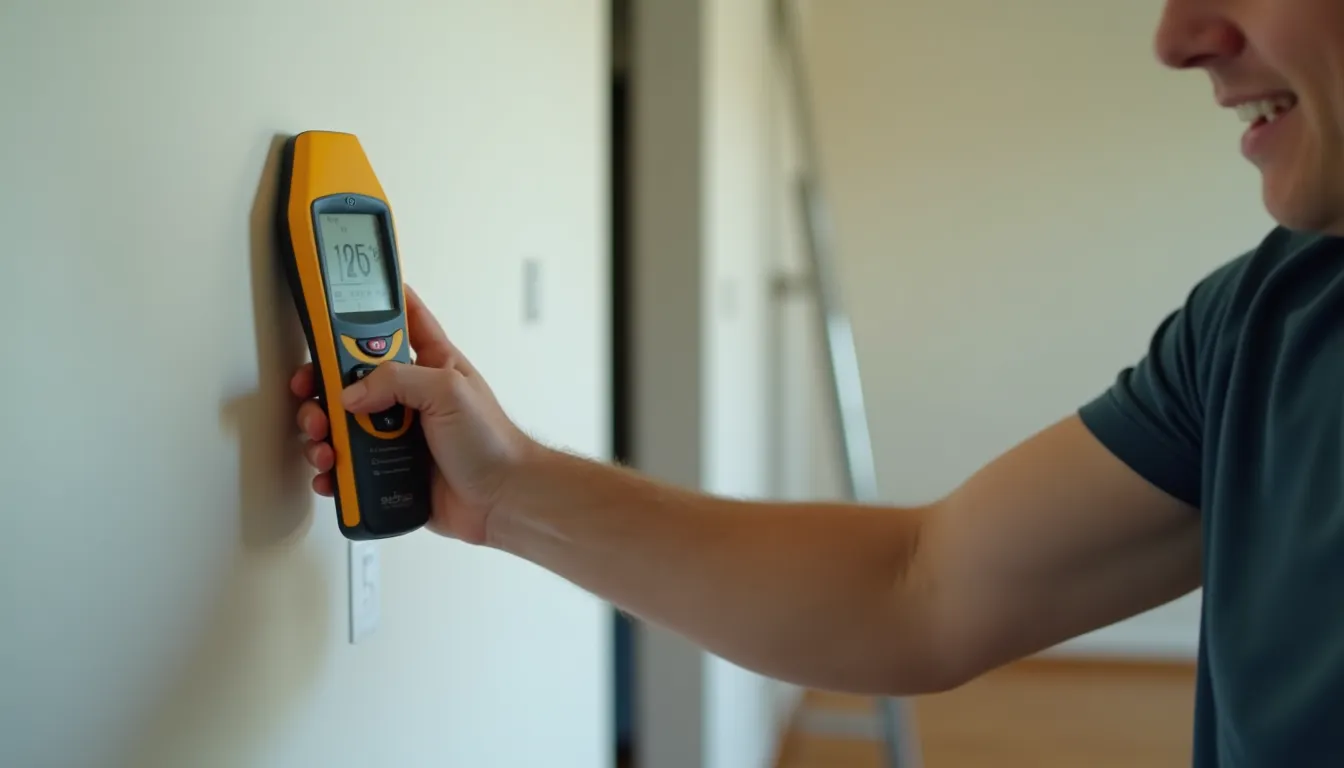
Property Inspection Tools — What Every Australian Buyer Should Have Before Settlement

How to Read a Building Inspection Report

Understanding the Contract of Sale

What is a Buyer's Agent and Do You Need One?
Free Agent Evaluation Toolkit
10-point checklist, commission calculator, red flags and questions to ask before signing.