
How to Choose the Right Real Estate Agent
Choosing the right real estate agent is crucial for property sellers, directly impacting sale price, transaction efficiency, and satisfaction, and requires a data-driven evaluation of performance metrics, local market proficiency, and strategic approach.
This guide was produced with AI assistance and reviewed for accuracy. Content is for informational purposes only — not financial or legal advice.
Key Takeaways
- •Choose an agent based on data-driven performance metrics, local market proficiency, and strategic approach, not just personality.
- •Utilise platforms like REAStats.com for preliminary research to identify active agents in your specific postcode or suburb.
- •Evaluate agents on their track record of recent comparable sales within a 2km radius of your property for hyper-local performance.
- •Thoroughly scrutinise proposed marketing plans for scope, cost-effectiveness, and target audience alignment.
- •Always prepare targeted questions to assess an agent's depth of knowledge and suitability during the appraisal stage.
- •Insist on a clear understanding of commission structures and how they align with proposed marketing and sales strategies.
Local Market Knowledge
Agent's recent sales within 2km radius most relevant
Commission Range
1.6-3.5% — cheapest not always best
Listing Volume
Beware overloaded agents with too many listings
Questions to Ask
Recent comparable sales, marketing plan, auction strategy
Appraisal Accuracy
Compare appraisal to actual sale prices in their history
Contract Length
Negotiate 60 days not 90 days initially
Overview
Selecting the right real estate agent is a pivotal decision for property sellers, directly influencing sale price, transaction efficiency, and overall client satisfaction. This choice transcends mere personality fit, demanding a data-driven evaluation of an agent's performance metrics, local market proficiency, and strategic approach. For sellers, an optimally chosen agent acts as a market expert, negotiator, and marketing strategist, effectively bridging the gap between property value and successful transaction. A suboptimal selection, conversely, can lead to extended listing times, underperforming sale prices, and significant seller frustration.
The Australian real estate market, characterised by its regional nuances and diverse property types, necessitates a rigorous selection process. Sellers must move beyond superficial assessments to scrutinize an agent's demonstrable track record, not just their self-proclaimed expertise. This involves an objective assessment of sales data, commission structures, and the tactical framework an agent proposes for a given property. Understanding these facets is critical for any serious seller aiming to maximise their investment return and minimise transactional friction.
How It Works
The process of choosing a real estate agent typically commences with preliminary research, often involving online platforms like REAStats.com to identify agents active in a specific postcode or suburb. Sellers then engage with multiple prospective agents, inviting them to conduct a property appraisal. During this appraisal, agents present their proposed marketing strategy, estimated sale price, and commission structure. This stage is crucial for direct comparison across key performance indicators and strategic alignments. A thorough seller will prepare a set of targeted questions to ascertain the agent's depth of knowledge and suitability.
Evaluation criteria extend beyond the initial impression. Agents are typically assessed on their track record of recent comparable sales, specifically focusing on properties within a 2km radius of the seller's property. This hyper-local focus is paramount as micro-market conditions can significantly impact property values. Furthermore, the proposed marketing plan, encompassing digital advertising, print media, and open home strategies, should be meticulously scrutinised for its scope, cost-effectiveness, and target audience alignment. The ultimate decision should be predicated on a composite score derived from these quantitative and qualitative assessments.
"A diligent seller understands that a real estate agent is not just a salesperson, but a critical market intermediary. Their selection should be treated with the same analytical rigour applied to any other significant financial decision."
Historical Context
Historically, the Australian real estate agent market was less transparent, with information asymmetry largely favouring agents. Prior to the widespread adoption of digital platforms in the early 2000s, sellers primarily relied on word-of-mouth referrals or local agency branding to select an agent. Commission rates were often less negotiable, and performance metrics were harder for individual sellers to verify independently. The absence of comprehensive public sales data meant sellers had limited means to compare appraisal accuracy against actual sale prices.
The advent of online property portals such as realestate.com.au and domain.com.au, coupled with data analytics platforms like REAStats.com from the mid-2000s onwards, significantly democratised access to property sales data. This shift empowered sellers by providing granular insights into agent performance, sub-regional market trends, and historical sale prices. For instance, the Real Estate Institute of New South Wales (REINSW) has, for decades, advocated for professional standards, but the digital age has provided sellers with tools to independently assess adherence to these standards. This increased transparency has driven a more competitive and performance-oriented agent market, forcing agents to demonstrate tangible results rather than relying solely on reputation or established networks.
Current Relevance
In the contemporary Australian real estate market, selecting an agent is increasingly a data-driven exercise. Sellers frequently leverage platforms like REAStats.com to filter agents based on their sales volume, average days on market, and achieved sale prices relative to initial appraisal. Commission structures typically range from 1.6% to 3.5% across Australia, with variations depending on state regulations, agent experience, and property value. For example, in Queensland, flat-rate commissions are common, whereas in Victoria, tiered commissions based on sale price thresholds are more prevalent. It's critical to note that the lowest commission rate does not automatically equate to the best value; a superior agent achieving a 5% higher sale price at a 0.5% higher commission still generates a net positive outcome for the seller.
Current market conditions dictate that agents must possess exceptional local market knowledge. Achieving recent sales within a 2km radius of the property to be sold is now a baseline expectation, moving beyond simply demonstrating sales within the broader suburb. Sellers are also scrutinising agent listing volumes; an agent with an excessive number of active listings (e.g., consistently managing more than 20-30 residential properties concurrently in a standard market) may indicate an inability to provide adequate attention to each property. Furthermore, the typical contract length for exclusive sales agreements has trended downwards, with 60 days becoming a more common and negotiable starting point, rather than the historical 90 days, reflecting faster market cycles and increased agent accountability.
"The modern seller's toolkit must include robust data analysis. Reliance on 'gut feeling' alone in agent selection is an outdated and financially perilous strategy."
Key Considerations
Local Market Knowledge
Prioritise agents who demonstrate concrete evidence of recent sales within a 2km radius of your property. This ensures their pricing strategy and buyer network are acutely aligned with hyper-local market dynamics. Ask for specific addresses and sale prices.
Commission Structure
While commission rates typically range from 1.6% to 3.5%, focus on net proceeds. A higher commission (e.g., 2.5% vs. 2.0%) paid to an agent who consistently achieves a sale price 3-5% above the median can significantly outweigh the commission difference. Negotiate diligently.
Appraisal Accuracy & Sales History
Request a list of the agent's last 10-15 sales and compare their initial appraisal prices for those properties against the actual sale prices achieved. This provides a tangible measure of their valuation expertise and negotiation prowess.
Marketing Strategy & Budget
Demand a detailed marketing plan outlining specific channels (e.g., premium listings on major portals, professional photography including drone shots, social media targeting, print media if justified), costs, and timelines. Ensure the strategy effectively targets your property's specific buyer demographic.
Listing Volume & Capacity
Inquire about the agent's current active listing volume. Be wary of agents managing an overly large portfolio, as this may dilute their focus and capacity to effectively market and manage your sale. A sustainable volume ensures dedicated attention.
Contract Terms & Exit Strategy
Aim to negotiate an initial exclusive agency agreement for 60 days, rather than the traditional 90 days. Understand the terms for early termination and any associated costs. This provides flexibility and maintains agent accountability.
Key Takeaways
Choosing a real estate agent in the Australian market is a strategic financial decision that demands rigorous data analysis and diligent questioning. Sellers must move beyond anecdotal evidence and focus on verifiable performance metrics: recent hyper-local sales, demonstrated appraisal accuracy, and a clear, cost-effective marketing strategy. Prioritising an agent's ability to maximize your property's sale price, even if it entails a slightly higher commission, is paramount for securing the optimal financial outcome.
Empower yourself with information from platforms like REAStats.com to evaluate potential agents objectively. Do not hesitate to negotiate commission rates, contract lengths, and marketing inclusions. Your goal is to secure a dedicated, high-performing professional whose interests are directly aligned with achieving the best possible sale result for your property, rather than simply securing another listing for their portfolio.
Frequently Asked Questions
Why is choosing the right real estate agent so important in Australia?+
Selecting the right real estate agent is crucial for property sellers in Australia as it directly impacts your sale price, the efficiency of the transaction, and your overall satisfaction. A skilled agent provides market expertise, negotiation prowess, and effective marketing strategies, bridging the gap between property value and a successful sale.
What key factors should Australian sellers consider when evaluating an agent?+
Sellers should move beyond personality and assess an agent's demonstrable track record, including verifiable sales data, their local market proficiency, and the proposed strategic approach for your specific property. Objective assessment of commission structures and marketing tactics is also vital for maximising returns.
How do I start the process of finding a real estate agent in Australia?+
Begin with preliminary research, often using online platforms like REAStats.com to identify active agents in your specific postcode or suburb. Then, invite multiple prospective agents to conduct a property appraisal, allowing them to present their proposed marketing strategy, estimated sale price, and commission structure for comparison.
What should I ask potential real estate agents during an appraisal in Australia?+
During an appraisal, prepare targeted questions to ascertain the agent's depth of knowledge and suitability. Inquire about their recent sales in your area, their proposed marketing budget, specific strategies for your property type, and their communication style to ensure alignment with your expectations.
Can a poor agent choice significantly impact my property sale in Australia?+
Yes, a suboptimal agent selection can lead to significant downsides for Australian sellers. This could include extended listing times, a sale price that underperforms market expectations, and considerable frustration throughout the selling process, ultimately diminishing your investment return.
Recommended Reading
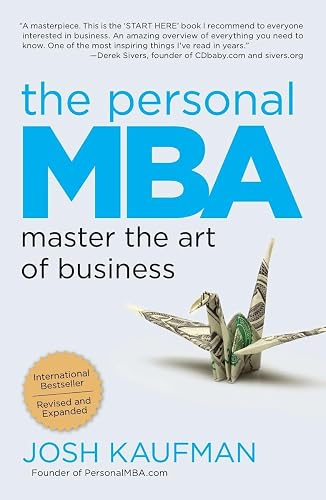


As an Amazon Associate REAStats earns from qualifying purchases.
Recommended Reading
As an Amazon Associate REAStats earns from qualifying purchases.