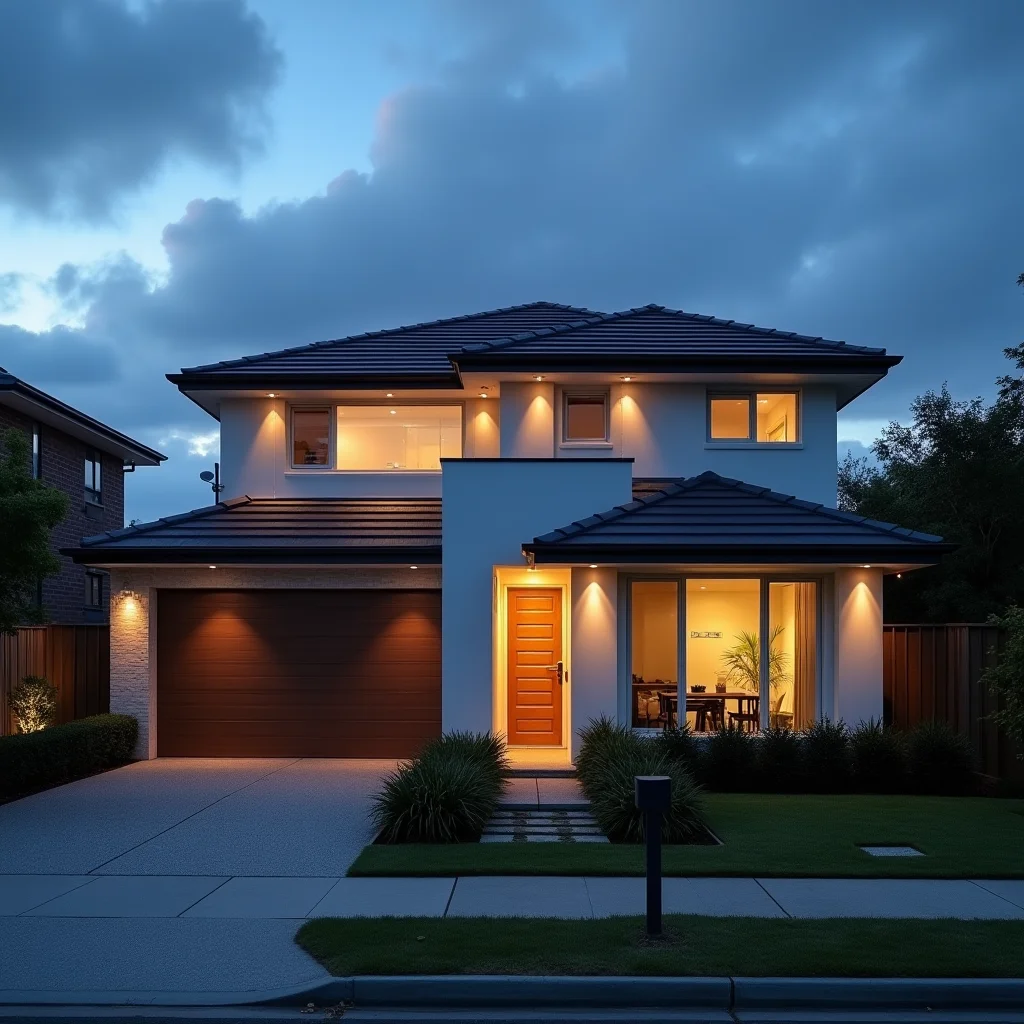
The traditional spring selling season is exhibiting a marked divergence in performance across Australian metropolitan property markets. Analysis of recent sales data reveals a significant velocity gap, with premium suburbs averaging sales cycles of just 20 days, a stark contrast to the 32-day average observed in more affordable, mid-tier locations. This 12-day differential highlights how robust seasonal demand is concentrating in high-value coastal and established inner-city markets, while other segments contend with more measured buyer activity and extended timelines.
This market segmentation is further evidenced by a wide variance in auction clearance rates, which span from a strong 74.2% in top-performing areas to a more modest 62% in suburbs where buyer sentiment appears more cautious. The data underscores the nuanced impact of the current economic climate, shaped by the Reserve Bank of Australia's (RBA) cash rate setting, on different buyer cohorts.
Premium Coastal Markets Drive Seasonal Performance
Sydney's premium coastal markets are setting the pace for spring. Bondi Beach leads with an average of just 20 days on market, according to recent PropTrack data. This rapid sales cycle is not an isolated metric; it is accompanied by a strong 74.2% clearance rate and a 6.1% annual growth rate, pushing its median dwelling price to $3.1 million. This performance points to a market segment where demand consistently outstrips the limited supply of prime property, creating intense competition among buyers who are demonstrably less sensitive to interest rate fluctuations.
The trend is reinforced in the lower north shore, where Mosman records an average of 22 days on market despite a significantly higher median price of $4.2 million. The suburb maintains a robust 72.5% clearance rate and has delivered 5.2% annual growth. The resilience of these markets can be attributed to several factors:
- Accumulated Household Equity: Homeowners in these areas often possess substantial equity, providing a significant financial buffer and greater capacity for their next purchase.
- Reduced Rate Sensitivity: Buyers at these price points are often less reliant on maximum leverage, meaning the direct impact of APRA's 3% mortgage serviceability buffer and the RBA's cash rate decisions is less pronounced.
- Lifestyle Demand: Persistent demand for lifestyle-oriented assets, a trend that accelerated post-2020, continues to draw buyers to well-located coastal settings.
Comparative Market Metrics: Premium vs. Mid-Tier
The performance differences between market tiers become clearer when key metrics are compared directly. The following table illustrates the divergence in sales velocity and auction success across a selection of Sydney and Melbourne suburbs.
| Suburb | City | Market Tier | Median Price | Days on Market | Clearance Rate |
|---|---|---|---|---|---|
| Bondi Beach | Sydney | Premium Coastal | $3.1M | 20 | 74.2% |
| Mosman | Sydney | Premium | $4.2M | 22 | 72.5% |
| Toorak | Melbourne | Premium | $2.8M | 23 | 72.0% |
| Rhodes | Sydney | Upper Mid-Tier | $1.58M | 27 | 69.0% |
| Brunswick | Melbourne | Inner Mid-Tier | $1.18M | 29 | 66.0% |
| Box Hill | Melbourne | Mid-Tier | $1.2M | 30 | <67.0% |
| Reservoir | Melbourne | Mid-Tier | $880,000 | 32 | 62.0% |
Mid-Tier Suburban Markets Show Extended Cycles
In contrast to the rapid turnover in premium postcodes, mid-tier suburban markets are demonstrating more protracted sales cycles. In Melbourne's northern suburbs, Reservoir leads with an average of 32 days on market. This is coupled with a clearance rate of 62% against a more accessible median price of $880,000. Similarly, established middle-ring suburbs like Box Hill and Doncaster are recording 30-day and 29-day cycles, respectively, with clearance rates struggling to surpass the 67% mark. These metrics suggest that while buyer interest exists, a combination of price sensitivity and a greater availability of comparable stock is leading to longer negotiation periods and less urgency.
The 12-day sales cycle differential between premium and mid-tier markets reveals seasonal buyer behaviour concentrates high-value transactions in spring, while mid-tier segments face extended negotiation periods and reduced conversion rates.
Even traditionally popular inner-city locations like Brunswick (29 days) and Collingwood (28 days) are recording more tempered performance. With median prices around $1.18 million to $1.25 million and clearance rates hovering at 66%, they represent a market segment where buyers are more selective. This cohort is more directly affected by shifts in borrowing capacity, making them more discerning about value and willing to wait for the right property at the right price.
Melbourne's Premium Corridors Maintain Velocity
The trend of premium market outperformance is not confined to Sydney. Melbourne's established eastern suburbs are exhibiting comparable strength. Toorak, with a median price of $2.8 million, is achieving an average sales cycle of 23 days and a clearance rate of 72%. Nearby, Camberwell records a near-identical performance at 23 days on market with a 71.5% clearance rate.
Further demonstrating the depth of this demand, suburbs like Kew and Hawthorn are both maintaining swift 24-day cycles with clearance rates consistently above 70%. What is notable is the broad price range across which this velocity is maintained, from Hawthorn's $1.85 million median to Toorak's higher bracket. This indicates a systematic seasonal acceleration driven by deep-seated demand for property in these blue-chip residential corridors, which are prized for their amenity, school catchments, and transport links. CoreLogic data consistently shows that properties in these established pockets hold their value more resiliently during periods of economic uncertainty.
RBA Rate Environment Shapes Market Segmentation
The current monetary policy setting, with the official cash rate at 4.10%, is a primary driver of this market bifurcation. Buyers in premium segments are demonstrating significant rate resilience. In contrast, those in the mid-tier and entry-level markets are more exposed to lending constraints and are consequently adjusting their decision timelines. Australian Bureau of Statistics (ABS) lending indicators show a moderation in new housing loan commitments, particularly for owner-occupiers in the middle of the market distribution.
Interestingly, some suburbs are carving out a niche as high-growth alternatives. In Sydney, Rhodes (27 days on market) and Epping (28 days) are recording strong annual growth of 4.3% and 4.6% respectively. With clearance rates approaching 69% and median prices below $1.6 million, they attract buyers seeking a balance of growth potential and relative affordability amid intense seasonal competition. These areas benefit from significant infrastructure investment and appeal to a demographic that prioritises modern amenity and connectivity.
Suburbs like Glen Waverley in Melbourne and Essendon represent stable mid-tier performance, both maintaining sales cycles of 27-28 days with clearance rates between 67-68%. With median prices of circa $1.45-$1.52 million, they capture a significant pool of family buyers seeking established locations without the pricing pressures of the absolute premium postcodes. The data indicates that for vendors in these segments, realistic price expectations and well-presented properties are crucial for achieving a sale within the sub-30-day period. For buyers, while decision windows are more compressed than in early 2023, there remains more scope for negotiation compared to the highly contested premium market.