Property Inspection Tools — What Every Australian Buyer Should Have Before Settlement
Practical guide to the essential tools Australian property buyers should use during inspections. From moisture meters to documentation equipment, learn what to check before committing to a professional building inspection.
This guide was produced with AI assistance and reviewed for accuracy. Content is for informational purposes only — not financial or legal advice.
Key Takeaways
- •A $30 moisture meter can detect serious issues, potentially saving you $500 on a formal inspection.
- •Early detection of issues like dampness saves money and provides negotiating leverage.
- •Smart buyers use preliminary checks to complement professional inspections, not replace them.
- •Pin-type moisture meters are crucial; timber readings above 15% indicate concern.
- •Moisture issues like rising damp and roof leaks are common, expensive hidden defects in Australian homes.
Moisture Damage
Leading cause of hidden defects in Australian properties
Pre-Inspection Cost
$30-80 buys tools that could save $10,000+ in repairs
Building Inspection Cost
$300-800 for professional inspection — these tools help you know what to ask
When to Inspect
Before making an offer and again before settlement
Thermal Imaging
Detects hidden water damage, insulation gaps, electrical hotspots
Most Missed Defects
Subfloor moisture, roof cavity leaks, rising damp in brick walls
A $30 moisture meter used at an open house can flag serious issues before you spend $500 on a formal inspection.
Why Smart Buyers Do Their Own Preliminary Checks
In the competitive Australian property market, making an informed decision quickly is paramount. While a professional pre-purchase building and pest inspection is always recommended before committing to a significant investment, performing your own preliminary checks can offer substantial advantages. This isn't about replacing the experts; it's about intelligent due diligence that complements their work.
Imagine discovering a significant issue, like widespread dampness, during your initial open house inspection. This early detection can save you hundreds, if not thousands, of dollars. It allows you to either walk away from a problematic property before incurring the cost of professional inspections, or it arms you with powerful negotiating leverage. If you identify a potential red flag, you can then commission a targeted professional inspection (e.g., a specific damp report or an electrical assessment) rather than a full, potentially unnecessary, building and pest report. This strategic approach ensures you're spending your inspection budget wisely.
Furthermore, understanding common warning signs allows you to observe properties with a critical eye, rather than just admiring the staging. You'll move beyond superficial aesthetics to assess the underlying condition, giving you an edge in a market where many buyers are primarily driven by emotion. This proactive approach not only protects your financial interests but also empowers you to make more confident purchasing decisions. For a deeper dive into what a professional inspection entails, consider our Building Inspection Guide.
Moisture Detection — The Most Important Category
Moisture is arguably the silent killer of Australian homes. Issues like rising damp, roof leaks, and bathroom water damage are among the most common hidden defects, leading to mould, timber rot, and structural degradation. These can be incredibly expensive to rectify. A critical tool in any buyer's arsenal is a good moisture meter.
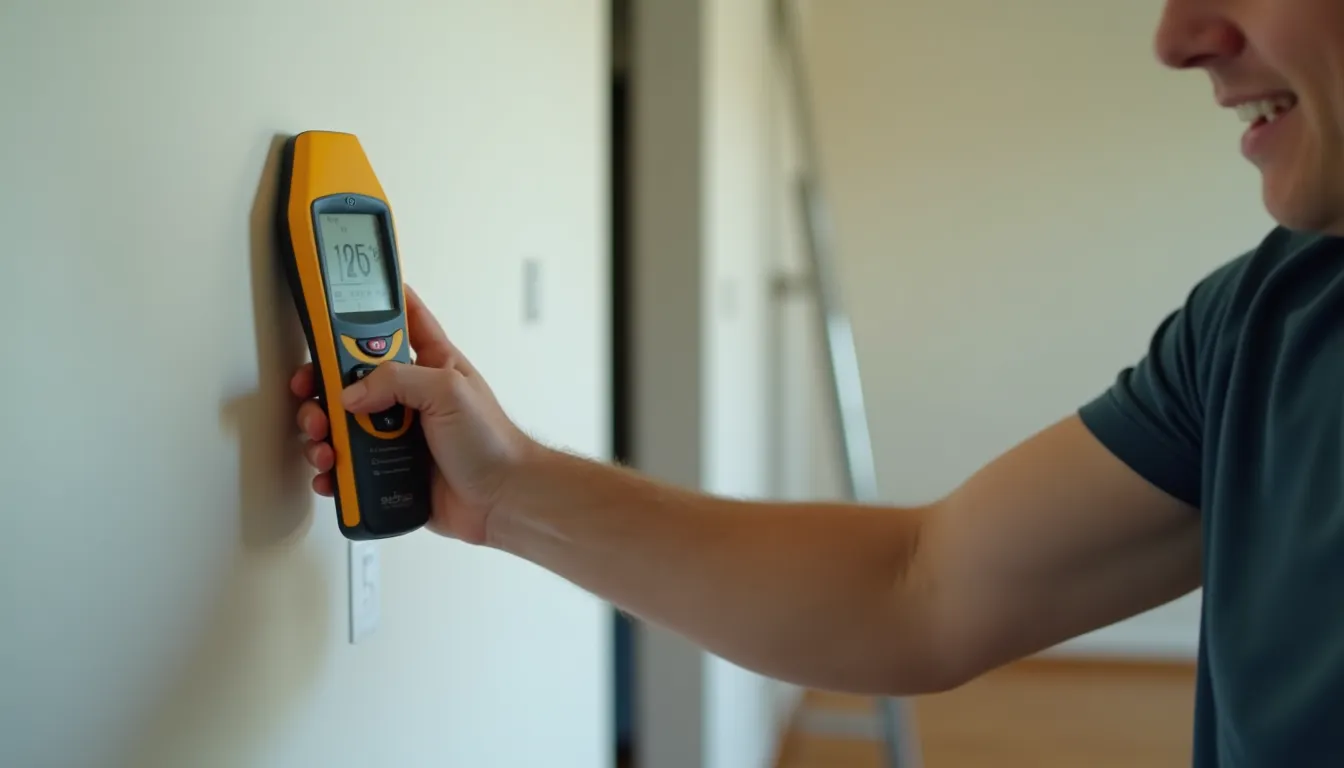
Pin-type moisture meters work by inserting two small pins into the material being tested, measuring the electrical resistance between them. Water conducts electricity better than dry materials, so a higher reading indicates more moisture. For timber, a reading above 15% generally warrants concern, while anything consistently above 20% indicates serious issues requiring immediate attention. For plasterboard or masonry, readings vary, but any significantly elevated reading compared to surrounding dry areas is a red flag.
Where should you check? Start with the usual suspects:
- External walls at the base: Look for signs of rising damp, especially in older homes with inadequate or failing damp courses.
- Bathroom floors and walls: Pay close attention around showers, toilets, and baths. Look for swelling skirting boards, discoloured grout, or lifting floor coverings.
- Under sinks: Check for leaks from plumbing fixtures in kitchens, bathrooms, and laundries.
- Around windows and doorframes: Water intrusion often occurs here due to flashing issues or degraded seals.
- Near downpipes and storm drains: Poor drainage can lead to moisture ingress into foundations.
- Ceilings: Discolouration, sagging, or water stains are clear indicators of roof leaks.
There are two main types of moisture meters: pin-type and pinless (non-invasive). Pin-type meters give more precise readings of internal moisture content but require slight penetration. Pinless meters, which use an electromagnetic sensor, are great for quick, non-destructive checks on surfaces. Ideally, you'd have both, but for preliminary checks, a pin-type meter is often more revealing.
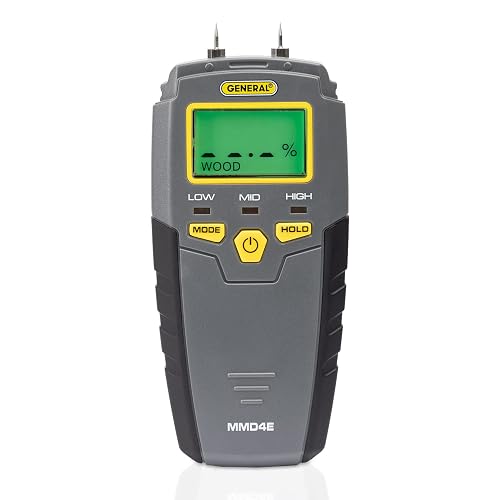
A reliable entry-level option, well-regarded for its accuracy and durability, is the General Tools MMD4E digital moisture meter. This tool provides a clear digital readout and is simple to use for even a novice.
Visual Inspection Equipment
While moisture meters delve deeper, visual cues are still your first line of defence. However, not all areas are easily visible. That's where some clever tools come in handy:
Telescoping Inspection Mirrors
These extendable mirrors, often with LED lights, are invaluable for peering into hard-to-reach spots. Think about checking the underside of roof gutters for rust or blockages, looking behind large appliances, or inspecting the tops of high cabinets. They can reveal early signs of deterioration that would otherwise go unnoticed, such as cracks in render or pest droppings in hidden nooks.
Flexible LED Inspection Lights
A powerful, flexible LED inspection light is indispensable. Roof cavities, subfloor spaces, and even the dark corners of built-in wardrobes can hide significant issues. A good inspection light will illuminate these areas, allowing you to spot active leaks, pest infestations (termites love dark, undisturbed places specific to Australian conditions), or structural damage. Choose one with a magnet or hook for hands-free operation.
Borescope Cameras (Endoscopes)
For truly inaccessible areas, a borescope camera (also known as an endoscope) is a game-changer. These consist of a flexible cable with a small camera head and an LED light at the end, connecting to a screen or your smartphone. While you won't be drilling holes in walls during an open house, you can thread these cameras through existing gaps like vent openings, plumbing access points, or small cracks to inspect wall cavities for pests, water damage, or electrical issues. They can also be used to inspect drainpipes or other narrow spaces. Look for models with good resolution and a waterproof camera head.
Practical tips on what to look for with these tools:
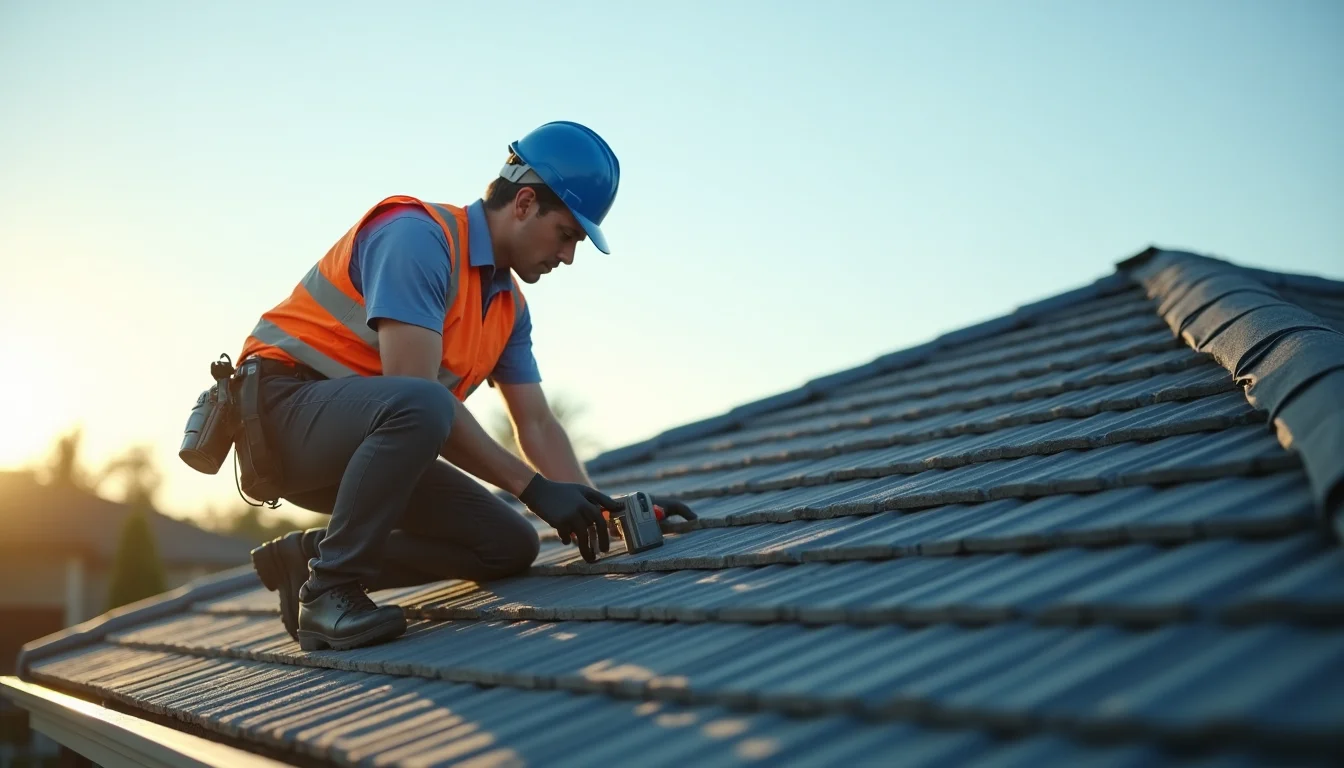
- Roof gutters: Rust, blockages (leaves, debris), pooling water, signs of overflow onto fascia boards (timber rot).
- Roof cavities: Signs of active leaks (water stains on timber beams), pest activity (possums, rodents, termites), damaged insulation, sagged ceilings (from above).
- Subfloor: Water pooling, timber rot on bearers/joists, termite mudding, ventilation issues, rising damp.
- Inside wall cavities (via existing gaps): Mould growth, pest nests, chewed wiring, water stains.
- High up: Cracks in eaves, deteriorating paintwork, wasp nests.
Documentation Tools
Identifying a problem is only half the battle; documenting it effectively is crucial for negotiation and future reference.
A Good Smartphone Camera
Your smartphone is your primary documentation tool. Always take clear, well-lit photos and short videos of any potential defects. Use your phone's flash in dark areas, and experiment with HDR (High Dynamic Range) settings to capture detail in both shadows and highlights. Take multiple shots from different angles to provide context.
- Flash: Essential for unlit areas like under sinks or in cupboards.
- HDR: Useful for interiors with bright windows, ensuring you get detail both inside and outside.
- Video: Great for showing drainage issues, active leaks, or the movement of pests.
Organise your photos immediately, perhaps into a dedicated album for each property you inspect. This will save you endless headaches later.
Portable Document Scanner
While not strictly for on-site inspection, a portable document scanner is incredibly useful during the property buying process. You will accumulate a vast amount of paperwork: inspection reports (pest, building, electrical, plumbing), council rates notices, strata reports, contract amendments, settlement documents, and more. Digitising these immediately keeps everything organised, searchable, and secure.
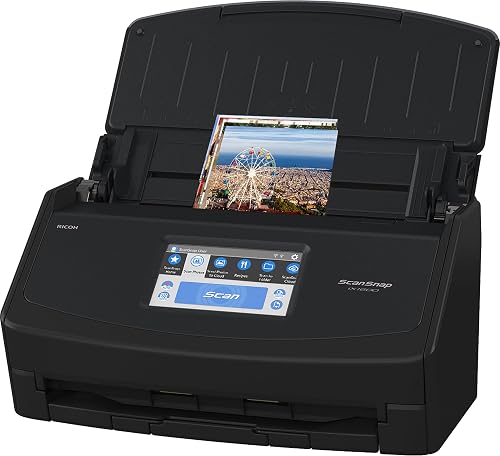
A high-quality portable scanner like the Fujitsu ScanSnap iX1600 offers fast, reliable scanning of multiple pages directly to cloud services or your computer. This means you can get home from inspecting a property, scan the printed inspection report you just received, and have it immediately available across all your devices.
What Professional Inspectors Use That You Don't Need
Professional building inspectors carry specialised equipment that is typically beyond the budget and technical skill of a residential buyer:
- Thermal imaging cameras ($1,000+): These detect heat signatures, revealing hidden moisture, insulation gaps, electrical hotspots, and even pest activity behind walls and ceilings. While incredibly powerful, their high cost and the expertise needed to interpret the imagery make them impractical for most buyers.
- Gas detectors: Used to identify gas leaks in plumbing or heating systems. Essential for safety but requires calibration and specific training.
- Structural assessment equipment: Including levels, plumb bobs, and specialised crack monitoring devices used to assess structural integrity.
- Termite detection devices: Advanced tools like microwave or acoustic sensors that can detect live termite activity within timber and walls without physical damage.
When is a professional inspection non-negotiable? Consider it essential in these scenarios:
- Pre-purchase for properties over $500,000: The financial risk is simply too high to forego.
- Any property showing moisture issues: If your preliminary checks with a moisture meter reveal elevated readings, a professional damp report is crucial to determine the source and extent.
- Any property over 20 years old: Older properties are more susceptible to a range of issues, including asbestos, outdated wiring (especially aluminium wiring), degraded plumbing (galvanised iron pipes), and structural settlement.
- Properties in termite-prone zones: Much of Australia falls into high-risk termite areas. A professional pest inspection is vital.
- Properties near the coast: Salt air accelerates corrosion and degradation of building materials.
For a comprehensive checklist of what to cover during your due diligence, make sure you review every item before committing.
15-Point Property Inspection Checklist
Use this checklist as a guide during your preliminary inspections. Tick off each item and note any concerns:
External
- 1. Roof condition: Check for cracked, missing, or displaced tiles/sheets. Look for sagging ridgelines or uneven rooflines. Note any visible rust on metal roofing.
- 2. Gutters and downpipes: Look for rust, leaks, blockages, and proper drainage away from the foundation. Use a telescoping mirror if needed.
- 3. Drainage: Ensure surface water drains away from the building. Look for pooling water near foundations or in gardens.
- 4. Foundations: Check for visible cracks (especially diagonal cracks wider than 5mm), crumbling mortar, or signs of movement. Use a moisture meter at the base of external walls.
- 5. External walls: Look for cracks (map-pattern cracking can indicate reactive soils), bulging brickwork, damaged render, peeling paint, or efflorescence (white salt deposits).
Internal
- 6. Walls and ceilings: Check for cracks, water stains, sagging, or bubbling paint. Use a moisture meter on any suspicious areas.
- 7. Floors: Check for unevenness, squeaks, bouncy boards, or damaged floor coverings. Use a marble test on tiled or hardwood floors to check for slope.
- 8. Windows and doors: Ensure they open and close smoothly. Check for gaps, drafts, and condensation between double-glazed panes. Inspect seals and frames for rot.
Wet Areas
- 9. Bathrooms: Check for cracked or missing grout, silicone deterioration, water stains on ceilings below, and adequate ventilation. Use a moisture meter on walls and floors around showers and baths.
- 10. Kitchen: Check under the sink for leaks. Inspect benchtop seals, splashback integrity, and exhaust fan operation.
- 11. Laundry: Check plumbing connections, drainage, and floor condition. Look for signs of past flooding or leaks.
Roof Space and Subfloor
- 12. Roof space (if accessible): Use an LED inspection light. Look for daylight penetrating through the roof, active leaks, pest activity, insulation condition, and structural timber integrity.
- 13. Subfloor (if accessible): Use an LED inspection light. Check for dampness, timber rot, termite mudding, adequate ventilation, and plumbing leaks.
Services
- 14. Electrical: Check the age and condition of the switchboard (modern RCDs/safety switches are essential). Test a selection of power outlets and light switches. Note any exposed or damaged wiring visible in the roof space or subfloor.
- 15. Plumbing: Test water pressure by running multiple taps simultaneously. Check the age and type of hot water system. Look for visible corrosion on pipes, especially in the subfloor or roof cavity.
The $30-80 spent on basic inspection tools pays for itself if it helps you negotiate even a $500 reduction or helps you avoid a property with serious hidden defects. Smart due diligence is one of the best investments you can make in the Australian property market.
Frequently Asked Questions
Why should I conduct my own preliminary property inspections before hiring a professional?+
Performing your own preliminary checks can help you identify significant issues like dampness early, saving you money on professional inspection fees for unsuitable properties. It can also provide negotiating leverage or help you decide if a targeted professional inspection is needed, rather than a full building and pest report.
What is the most crucial tool an Australian property buyer should have for initial inspections?+
A moisture meter is arguably the most important tool for initial property inspections. Moisture issues such as rising damp, roof leaks, and bathroom water damage are common 'silent killers' in Australian homes and can be detected early with this inexpensive device, potentially flagging serious problems before committing to further expenses.
Can my own preliminary inspection replace a professional building and pest inspection?+
No, your preliminary inspection should not replace a professional building and pest inspection. It's a strategic first step for due diligence, offering early detection of obvious issues. Professional inspections conducted by qualified experts remain essential for a comprehensive assessment of the property's structural integrity, pest activity, and hidden defects.
How can identifying issues early help me save money in the Australian property market?+
Early detection of property issues can save you money by allowing you to walk away from problematic properties before incurring the cost of professional inspections. If you find a red flag, you can commission a targeted professional report instead of a full, potentially unnecessary one, ensuring your inspection budget is spent wisely.
Recommended

As an Amazon Associate REAStats earns from qualifying purchases.
Recommended
As an Amazon Associate REAStats earns from qualifying purchases.