
Vendor Advocacy — Do You Need One?
Vendor advocacy offers property owners expert representation to maximize sale prices and optimize selling conditions, especially beneficial for those lacking time, experience, or local presence in property sales, with fees often paid by the selling agent.
This guide was produced with AI assistance and reviewed for accuracy. Content is for informational purposes only — not financial or legal advice.
Key Takeaways
- •Vendor advocacy maximizes sale prices and optimizes selling conditions by providing expert representation throughout the sales process.
- •A vendor advocate is particularly beneficial for sellers who are time-poor, inexperienced, or located remotely from their property.
- •Vendor advocate fees are typically paid by the appointed selling agent from their commission, making the service effectively free for sellers.
- •Advocates must hold a real estate license in all Australian states and territories, like under NSW's Property and Stock Agents Act 2002.
- •Investors and developers use vendor advocacy to streamline multiple sales and protect investment returns in unfamiliar markets.
Cost
Usually paid by selling agent from their commission — free to vendor
Value Add
Agent selection, campaign oversight, auction day management
Who Benefits
Elderly vendors, deceased estates, interstate vendors, time-poor professionals
REBAA
Real Estate Buyers Agents Association — find accredited advocates
Conflict Check
Ensure advocate has no referral arrangement with recommended agents
Regulation
Must hold real estate licence in all states
Overview
Vendor advocacy, also known as seller advocacy, is a professional service designed to assist property owners in the sale of their real estate asset. A vendor advocate acts as an independent, expert representative for the seller, guiding them through the entire sales process from initial agent selection to settlement. The primary objective is to maximise the sale price and optimise selling conditions for the vendor, mitigating the complexities and potential pitfalls inherent in real estate transactions.
For sellers, particularly those who are time-poor, lack experience in property sales, or reside remotely from the property being sold, a vendor advocate offers a unique value proposition. They provide an objective layer of advice, scrutinising agent proposals and marketing strategies that vendors often lack the expertise or emotional detachment to critically assess. This oversight can lead to a more efficient and profitable sale, reducing stress and ensuring due diligence is maintained throughout the process.
Investors and developers frequently utilise vendor advocacy to streamline multiple property sales or to divest assets in unfamiliar markets. The service ensures professional representation and adherence to best practices, safeguarding investment returns. For first-time sellers or those re-entering the market after a significant period, the advocate demystifies the process, explaining market dynamics, legal requirements, and negotiation tactics, thus empowering the vendor with informed decision-making.
How It Works
The operational framework of vendor advocacy is distinctly structured to align the advocate’s interests with the vendor’s. Critically, the vendor advocate's fee is typically paid by the appointed selling agent from their commission, meaning the service is effectively free to the property vendor. This payment model necessitates that the advocate holds a real estate licence in all Australian states and territories, enabling them to legally receive part of a commission and provide real estate transactional advice. For example, in New South Wales, an advocate must be a licensed real estate agent under the Property and Stock Agents Act 2002. In Victoria, similar licensing requirements apply under the Estate Agents Act 1980.
The engagement typically commences with the advocate meeting the vendor to understand their objectives, property specifics, and preferred selling timeframe. Following this, the advocate undertakes a rigorous selection process for selling agents. This involves shortlisting 2-3 local agents, reviewing their market appraisals, commission structures, marketing proposals, and recent sales performance. The advocate will then interview these agents, often alongside the vendor, and present an objective comparison, recommending the most suitable agent based on data and demonstrated aptitude, not referral bonuses or affiliations.
Beyond agent selection, the advocate’s role extends to comprehensive campaign oversight. This includes reviewing marketing materials, negotiating advertising costs, ensuring agent accountability, and providing expert guidance during the negotiation phase or on auction day. For auctions, the advocate can advise on reserve price setting, bidding strategies, and post-auction negotiation. Their continued involvement ensures the selling agent remains focused on achieving the best possible outcome for the vendor, providing an invaluable layer of independence and professional scrutiny.
"Vendor advocacy fundamentally shifts the power dynamic in favour of the seller by introducing an independent expert. This ensures that the selling agent's strategies and expenditure align precisely with the vendor's financial interests, rather than being solely driven by commission maximisation."
Historical Context
The concept of vendor advocacy began to gain prominence in the Australian real estate market in the late 1990s and early 2000s, primarily as a natural evolution following the established success of buyer advocacy services. As property markets became more complex and transactional values escalated, particularly in major capital cities, the demand for expert guidance on both sides of a transaction increased. Initially, awareness was limited, with the service often being bundled with other property consulting offerings rather than being a standalone discipline.
The early 2000s saw a gradual increase in the professionalisation of advocacy services. Organisations like the Real Estate Buyers Agents Association (REBAA), established in 2000, began to play an essential role in setting industry standards and promoting ethical practices for both buyer and, by extension, vendor advocates. This period also coincided with significant growth in property prices, particularly in Sydney and Melbourne, making the financial stakes of a successful sale substantially higher and thus increasing the perceived value of expert oversight.
Regulatory frameworks across Australian states have progressively solidified the requirement for vendor advocates to hold full real estate agent licences. This was a crucial step in formalising the profession and providing consumer protection. For example, by the mid-2000s, the practice became clearer: if an individual is managing the sale process, advising on contract terms, or receiving a portion of a selling commission, they must be licensed. This legislative clarity has been instrumental in distinguishing legitimate advocates from unqualified consultants and fostering trust in the service.
Current Relevance
In the current Australian property market, vendor advocacy holds significant relevance, particularly amidst fluctuating market conditions and increased transactional complexity. The typical fee structure, where the selling agent pays the advocate from their commission, means vendor advocacy remains financially accessible to sellers, often costing them nothing directly. This model is a powerful motivator for vendors to engage these services, as it presents a 'no-cost' pathway to enhanced professional representation.
Typical scenarios where vendor advocacy is highly beneficial include deceased estates, where executors may lack property market experience or the emotional capacity to manage a sale; elderly vendors who require compassionate guidance and protection from pressured selling tactics; interstate or overseas vendors who cannot be physically present for the sales process; and time-poor professionals who value efficiency and expertise without direct involvement. The current market, characterised by rapid interest rate changes and shifting buyer sentiment, makes the strategic guidance of an advocate even more valuable.
The typical range for a selling agent's commission that an advocate might draw from varies significantly by state and property value, but generally sits between 1.5% to 3.5% plus GST for residential sales. For example, in Queensland, commissions might range from 2.5% to 3.5%, whereas in Sydney, competitive markets could see commissions closer to 1.7% to 2.5%. The advocate's portion is typically a agreed percentage of this total. Recent trends indicate an increasing awareness and adoption of vendor advocacy, particularly with the growth of online resources and professional associations like REBAA, which list accredited advocates. This increased transparency and availability reinforce its current importance in achieving optimal sale outcomes.
Key Considerations
Licensing and Accreditation
Ensure your chosen vendor advocate holds a full real estate agent licence in the state where your property is located. Membership with professional bodies like REBAA (Real Estate Buyers Agents Association) indicates adherence to a code of ethics and professional standards.
Conflict of Interest Declaration
Critically, verify that the vendor advocate has no undisclosed referral arrangements or financial ties with the selling agents they recommend. An advocate's independence is paramount to ensuring their advice is solely in the vendor's best interest.
Fee Structure Clarity
Confirm in writing that the vendor advocate's fee will be paid by the appointed selling agent from their commission, meaning no direct cost to you, the vendor. Understand the exact percentage they will receive from the selling agent's commission.
Scope of Services
Clarify the full range of services the advocate will provide, from agent shortlisting and interview facilitation to marketing strategy review, negotiation support, and auction day management. Ensure these align with your specific needs.
Communication and Reporting
Establish clear communication protocols. The advocate should provide regular updates on agent selection, campaign progress, buyer feedback, and negotiation developments. Transparency and ongoing communication are vital for effective oversight.
Experience and Specialisation
Inquire about the advocate's experience with properties similar to yours and in your specific market area. An advocate with a proven track record in analogous transactions can offer more insightful and effective guidance.
Key Takeaways
Vendor advocacy provides an independent, expert overlay to the property selling process, offering invaluable guidance from agent selection through to settlement. Its primary benefit lies in ensuring the vendor's interests are paramount, leading to optimised sale prices and conditions, often at no direct financial cost to the seller. This service is especially advantageous for those lacking market experience, time, or geographic proximity to the property, ensuring a professionally managed and less stressful transaction.
The critical aspect of vendor advocacy is the rigorous due diligence required in selecting the advocate themselves. Verification of their real estate licence, ensuring strict independence from selling agents, and a clear understanding of their fee structure and scope of services are non-negotiable. Engaging a reputable, licensed advocate can transform the selling experience, turning a potentially complex and strenuous process into a streamlined and financially rewarding outcome.
Frequently Asked Questions
What is vendor advocacy and how can it benefit me when selling property in Australia?+
Vendor advocacy is a service where an expert represents you in selling your property, aiming to maximise your sale price and optimise selling conditions. It's particularly useful for those short on time, inexperienced in property sales, or located remotely, offering objective advice and managing the sales process from start to finish.
How do vendor advocates get paid in Australia, and does it cost me anything as the seller?+
A key benefit in Australia is that the vendor advocate's fee is typically paid by the appointed selling agent from their commission. This means the service is, in effect, free to the property vendor. This payment model ensures the advocate's interests are aligned with achieving the best outcome for the seller.
When should I consider using a vendor advocate for my property sale in Australia?+
You should consider a vendor advocate if you are time-poor, lack experience in property sales, or live away from the property being sold. Investors and developers frequently use them for multiple sales or in unfamiliar markets. First-time sellers or those re-entering the market also benefit from expert guidance.
Do vendor advocates need a real estate licence in Australia to operate?+
Yes, for a vendor advocate to receive payment from the selling agent's commission, they must hold a real estate licence in all Australian states and territories. This licensing ensures they adhere to industry standards and legal requirements, protecting the vendor's interests throughout the sales process.
Recommended Reading
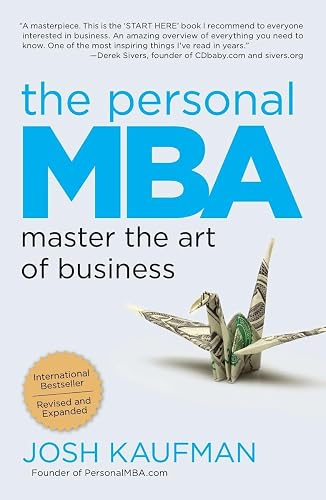


As an Amazon Associate REAStats earns from qualifying purchases.
Recommended Reading
As an Amazon Associate REAStats earns from qualifying purchases.