Castle Hill
NSW 2154
Source: REAStats Research — indicative data sourced from public market information. Figures are estimates only. · updated quarterly · last updated 13 Apr 2026
Median Price
$1,650,000
Annual Growth
+4.8%
Avg Days on Market
28 days
Clearance Rate
68%
Rental Yield
2.8%
Key Takeaways
- Castle Hill's median price of $1,650,000 grew 4.8% annually, outperforming the Sydney average for premium family homes.
- A 28 days on market and 68% auction clearance rate indicates a steady, discerning market where presentation is key.
- The suburb primarily attracts family upgraders and professionals in their 40s-50s, seeking quality schools and amenities.
- Buyers often come from surrounding suburbs, prioritizing larger homes, good schools, and the Hills District lifestyle.
- A 2.8% rental yield highlights Castle Hill as a capital growth market, aligning with premium Sydney investment trends.
Castle Hill Property Market Guide
Buying or Selling in Castle Hill?
Whether you're refinancing or preparing to buy in Castle Hill, get finance pre-approved before making an offer so you know exactly what you can borrow.
Guides for Buyers and Sellers in Castle Hill
Property Due Diligence Checklist
A property due diligence checklist is a systematic examination of building conditions, legal matters, and financial obligations before finalising a purchase, protecting Australian buyers from unexpected problems and costly surprises.
Read Guide →Understanding Comparable Sales
Comparable sales analysis uses recently sold properties with similar characteristics to determine market value, helping buyers, sellers, and investors make informed pricing and negotiation decisions in Australia's diverse property market.
Read Guide →Auction vs Private Treaty — Which is Better?
Property sellers must choose between auction and private treaty methods, each offering distinct advantages. Auctions create competitive bidding with no cooling-off periods, while private treaties allow confidential negotiations.
Read Guide →How to Choose the Right Real Estate Agent
Choosing the right real estate agent is crucial for property sellers, directly impacting sale price, transaction efficiency, and satisfaction, and requires a data-driven evaluation of performance metrics, local market proficiency, and strategic approach.
Read Guide →Latest Property Intelligence
 Property Market
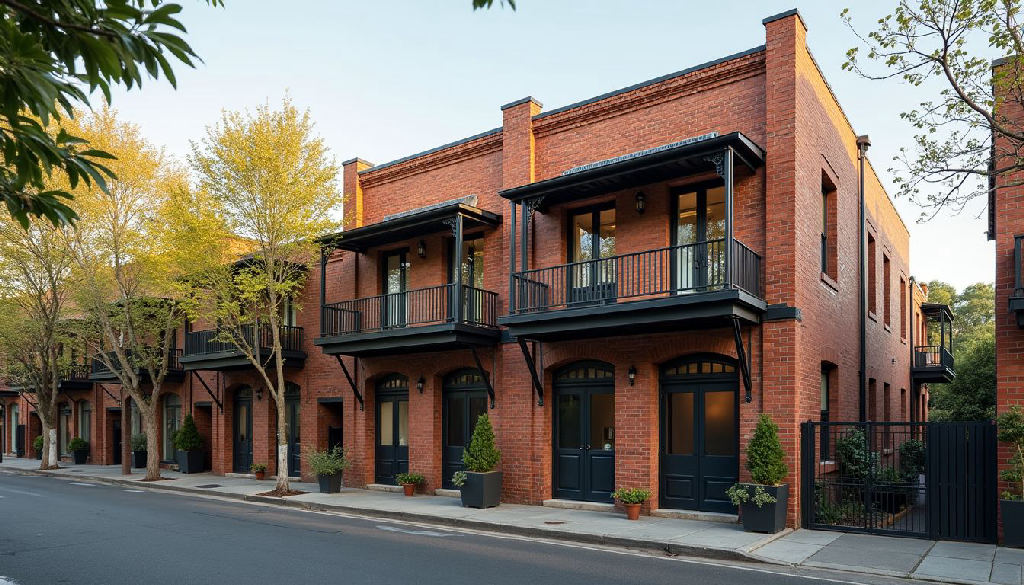
Fitzroy's Former Universal Theatre Apartment Clears $1.2 Million, $205,000 Above Reserve, as Melbourne's Clearance Rate Slips to 53%
A Geelong buyer paid $1.2 million for an apartment inside Fitzroy's former Universal Theatre, $205,000 above the $995,000 reserve, as Domain recorded a 53% preliminary clearance rate across Melbourne's 629 scheduled auctions — well below the city's recent 68.8% benchmark.
 Suburb Spotlight
Point Cook's School, Road and Pool Gaps Shape Election Debate
ABC News reports that road congestion, school capacity and the absence of a local public pool are central concerns for Point Cook residents during Victoria's election campaign. The reported funding requests and election promises are not completed infrastructure.
Frequently Asked Questions
Is Castle Hill a good suburb to buy property?
Yes, Castle Hill exhibits strong market performance. With a median price of $1,650,000 and annual growth of 4.8%, it's considered a solid performer in Sydney's premium family market. This growth rate surpasses Sydney's metropolitan average, indicating sustained demand driven by quality schools, established infrastructure, and family-friendly homes.
What is the median price in Castle Hill?
The current median property price in Castle Hill is $1,650,000. This figure positions Castle Hill as a premium suburb within the Hills District, reflecting the demand for spacious family homes and the overall quality of living it offers to residents.
What is Castle Hill like as a place to live?
Castle Hill is considered a highly desirable place to live, especially for families. It offers a combination of quality schools, established infrastructure, and spacious family homes. The premium pricing reflects its appeal, with sustained demand contributing to its robust property market performance and annual growth.
What has the property market done in Castle Hill recently?
Recently, the Castle Hill property market has shown strong performance. It has an annual growth rate of 4.8%, exceeding Sydney's metropolitan average. The clearance rate stands at 68%, and the median price is $1,650,000, indicating sustained demand in this premium family market.
Suburb data is indicative only. REAStats may receive referral fees from linked services. Not financial advice.
Property Market Overview
Castle Hill's median price of $1,650,000 with annual growth of 4.8% positions this Hills District suburb as a solid performer in Sydney's premium family market. This growth rate exceeds Sydney's metropolitan average, reflecting sustained demand for the suburb's combination of quality schools, established infrastructure, and spacious family homes. The premium pricing places Castle Hill firmly in the upper-middle market segment, attracting buyers with substantial equity or high household incomes seeking established suburban amenities. The 28 days on market indicates a reasonably active market where quality properties move at a steady pace, while the 68% auction clearance rate suggests selective but committed buyer activity. This clearance rate, while not exceptionally high, demonstrates that well-presented homes meeting market expectations achieve sales, though buyers maintain some negotiating power. The metrics point to a mature market where pricing accuracy and property presentation significantly influence sale outcomes.Who Buys in Castle Hill
Castle Hill attracts predominantly family upgraders and established professionals seeking larger homes in a prestigious location with excellent educational facilities. The $1,650,000 median price typically draws buyers in their 40s and 50s trading up from smaller properties in surrounding suburbs, often motivated by school catchment areas and the desire for substantial land holdings. These buyers usually possess significant equity from previous properties and household incomes supporting substantial mortgage commitments. The suburb's appeal centers on its reputation for quality education, with several highly-regarded public and private schools driving family migration patterns. The Hills District lifestyle, characterized by newer housing stock, planned community facilities, and proximity to major shopping centers like Castle Towers, attracts buyers prioritizing convenience and suburban amenities over inner-city accessibility. Professional couples and established families represent the core demographic, seeking long-term family homes rather than investment properties.Investment Considerations
The 2.8% rental yield reflects Castle Hill's capital city positioning, where investors typically prioritize capital growth over immediate income returns. This yield is consistent with premium Sydney suburbs where rental returns are compressed by high purchase prices, making the suburb more suitable for investors with long-term growth strategies rather than those seeking immediate cash flow. The yield suggests rental demand exists but at levels that don't fully offset the high entry costs. Capital growth prospects remain positive given the suburb's established infrastructure, ongoing transport improvements including the Metro Northwest connection, and limited land supply constraining new development. The Hills District's transformation into a major employment hub, combined with continued population growth in Sydney's northwest corridor, supports medium to long-term price appreciation. However, investors should consider the high entry cost and modest yield require extended holding periods to achieve satisfactory returns.Nearby Suburbs and Alternatives
Buyers considering Castle Hill should also examine Kellyville, Baulkham Hills, and West Pennant Hills, which offer similar family-oriented amenities at varying price points. Kellyville provides newer housing stock at comparable prices with excellent transport links, while Baulkham Hills offers established character at slightly lower entry costs. West Pennant Hills presents a more affordable alternative with similar school access and bushland proximity. Castle Hill commands a premium over most neighboring suburbs due to its central Hills District location and comprehensive amenities. This premium reflects access to Castle Towers shopping, established parks and recreational facilities, and transport connectivity. Buyers pay approximately 10-15% more than surrounding suburbs for Castle Hill's convenience and prestige, receiving established infrastructure, mature streetscapes, and strong community facilities that justify the higher investment for families prioritizing lifestyle and convenience.